- Day 1 - Arrival in Vietnam
 Day 1 - Arrival in Vietnam Notre Dame Cathedral, Cu Chi Tunnels
 - Day 2 - Ho chi Minh City
 Day 2 - Ho chi Minh City Vĩnh Tràng Pagoda, Mekong Delta
 - Day 3 - Phu Quoc IslandsDay 3 - Phu Quoc Islands Sun World Hon Thom Nature Park, Prison Museum
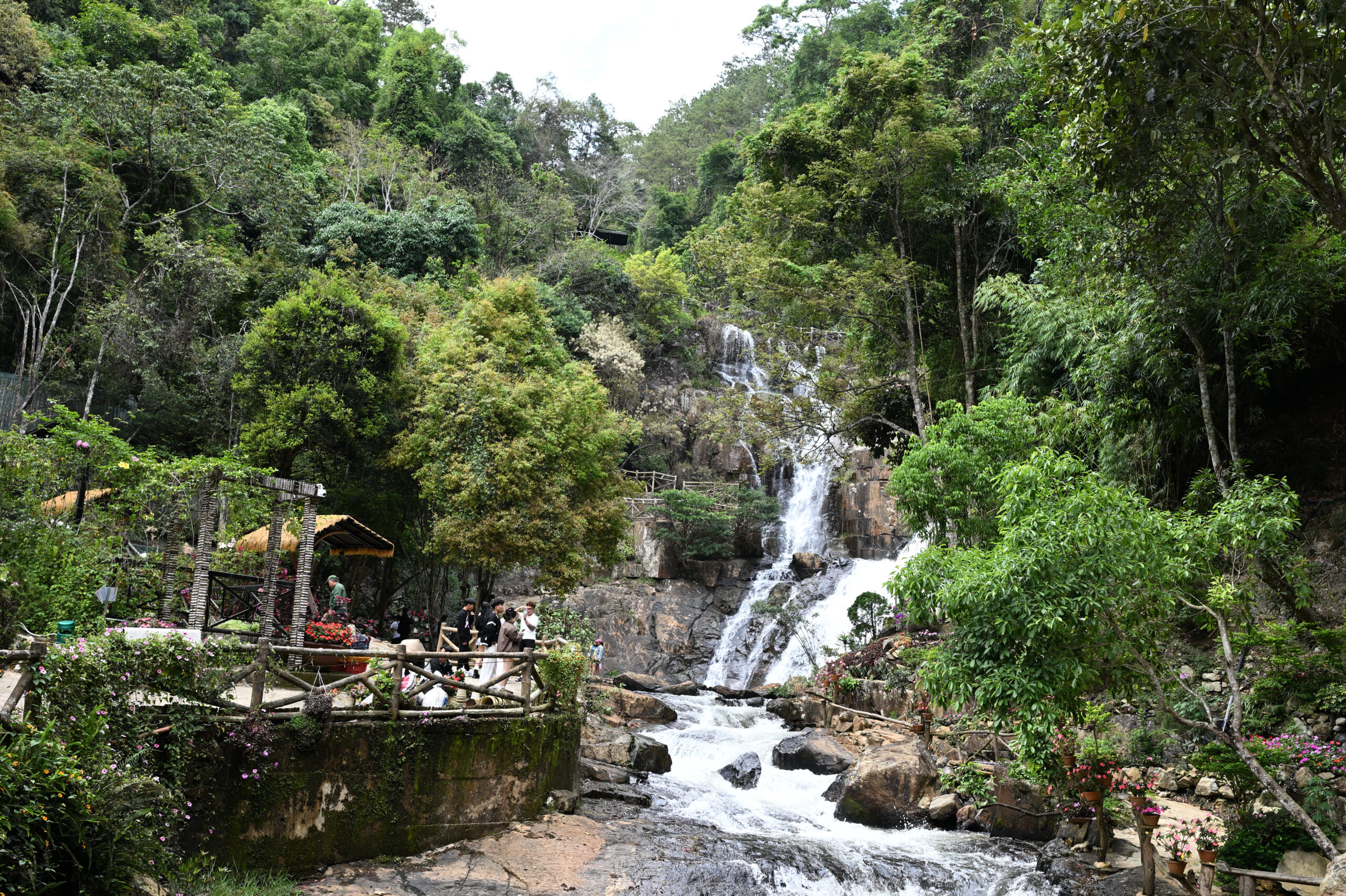
- Day 4 - Nha TrangDay 4 - Nha Trang Chùa Linh Phước Pagoda, Datanla , Truc Lam Zen Buddhist Temple, Da Lat Railway Station, Museum of Oceanography, Po Nagar Temple, Long Son Pagoda



- Day 5 - Da nangDay 5 - Da nang My Son Sanctuary, Son Tra Peninsula, My Khe Beach, Dragon Bridge, Am Phu Caves, Hoi An, Ba Na Hills
- Day 6 - HueDay 6 - Hue Truong Tien Bridge, Hue Historic Citadel, Thiên Mụ Pagoda, Thuy Xuan, Mausoleum of Emperor Tu Duc, Mausoleum of Emperor Khai Dinh, Perfume River
- Day 7 - Phong Nha CavesDay 7 - Phong Nha Caves Phong Nha Caves
- Day 8 - HanoiDay 8 - Hanoi Ho Chi Minh's Mausoleum
- Day 9 - SapaDay 9 - Sapa Fansipan, H'mong House, Vườn hồng, Sapa Heaven Gate & Moana Sapa, Rong May Glass Bridge, Ô Quy Hồ pass
- Day 10 - Halong BayDay 10 - Halong Bay
- Optional Itineraries
Ho Chi Minh City – Where Vietnam Never Sleeps
Some destinations impress you with their beauty. Others leave you with unforgettable memories.
And then there are places like Vietnam—destinations that quietly find a permanent place in your heart. For two incredible weeks, I travelled from the bustling streets of Ho Chi Minh City to the tranquil beaches of Phu Quoc, through mist-covered mountains, emerald bays, ancient towns, and centuries of history. Every day felt like discovering a new country.

DAY 1
Arrival - First Glimpse of Vietnam

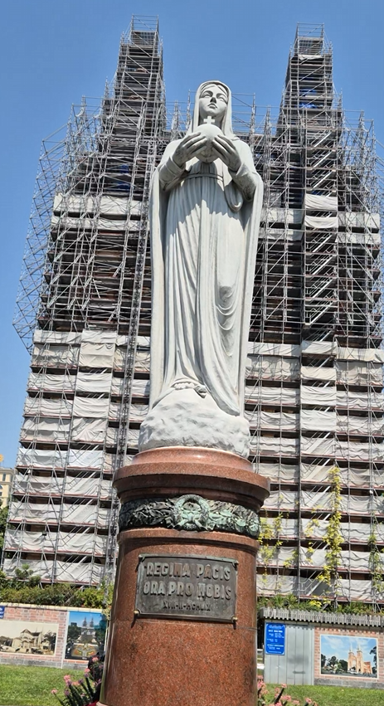
Notre Dame Cathedral
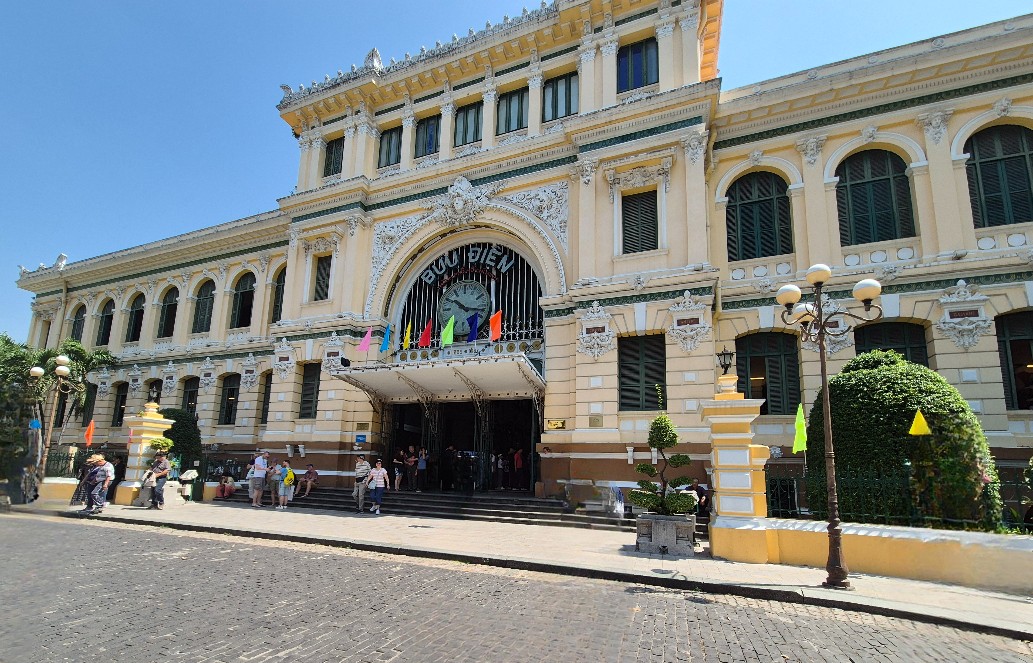
Saigon Central Post Office
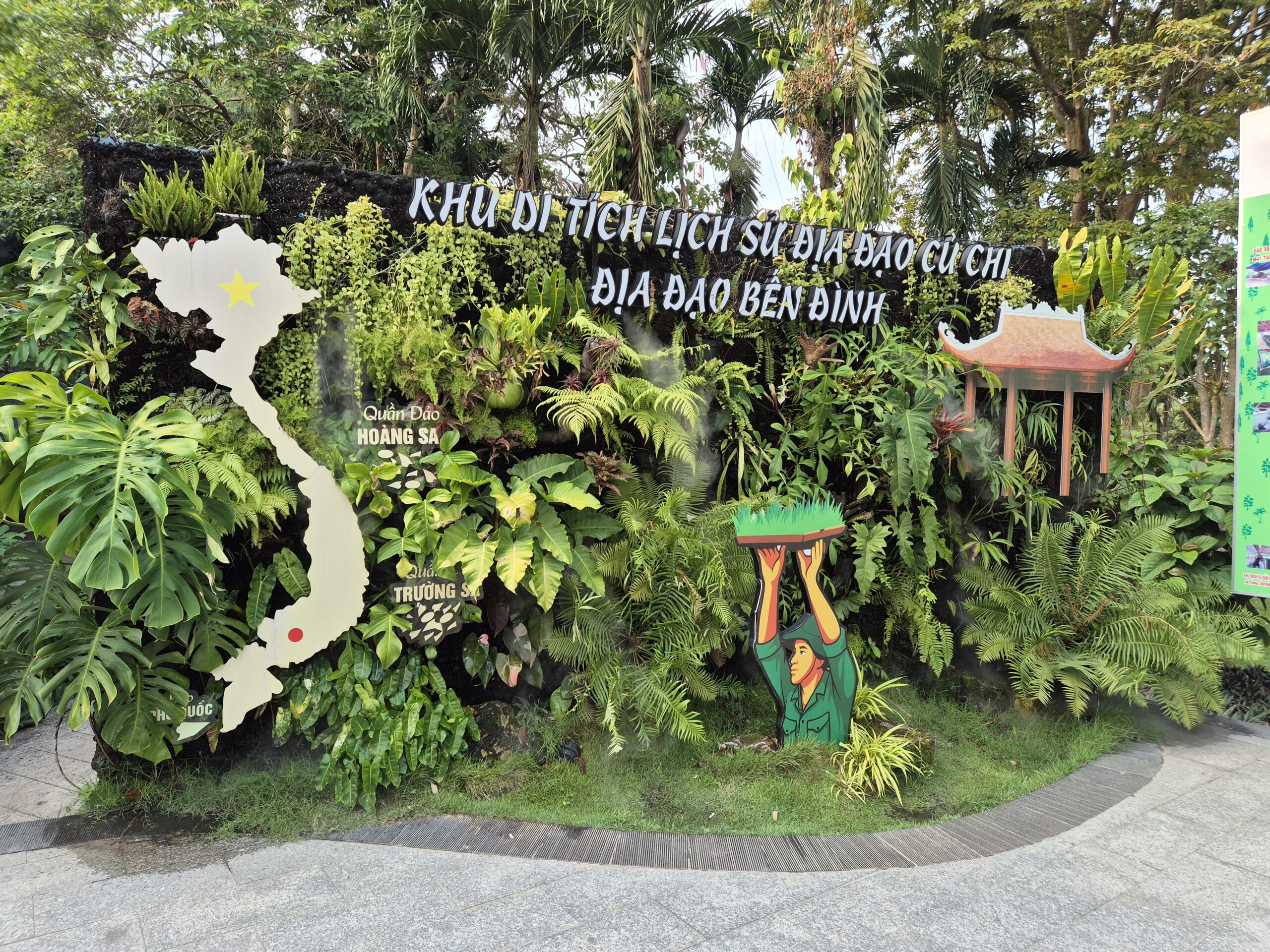
Cu Chi Tunnels
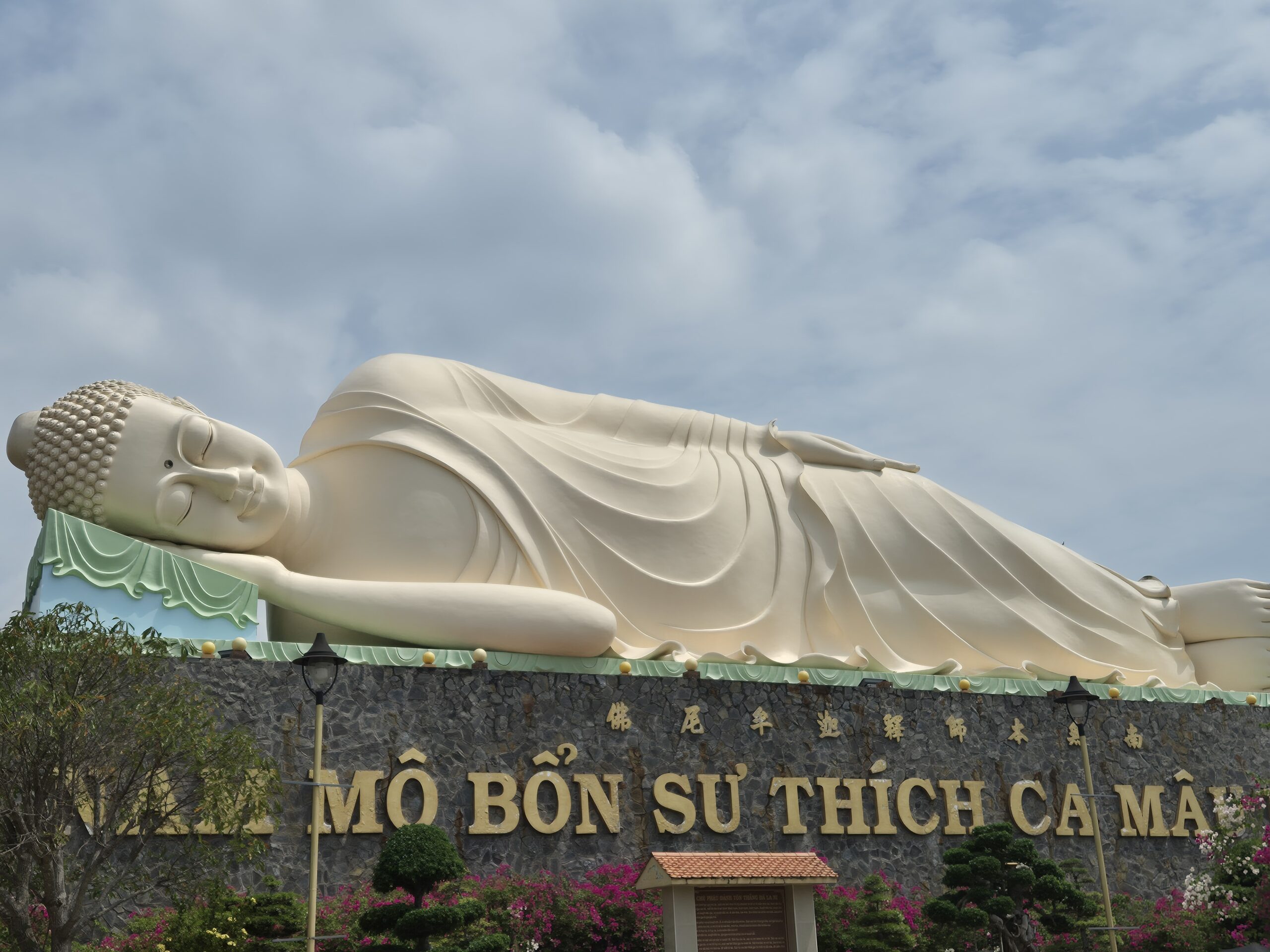
DAY - 2 : Vĩnh Tràng Pagoda
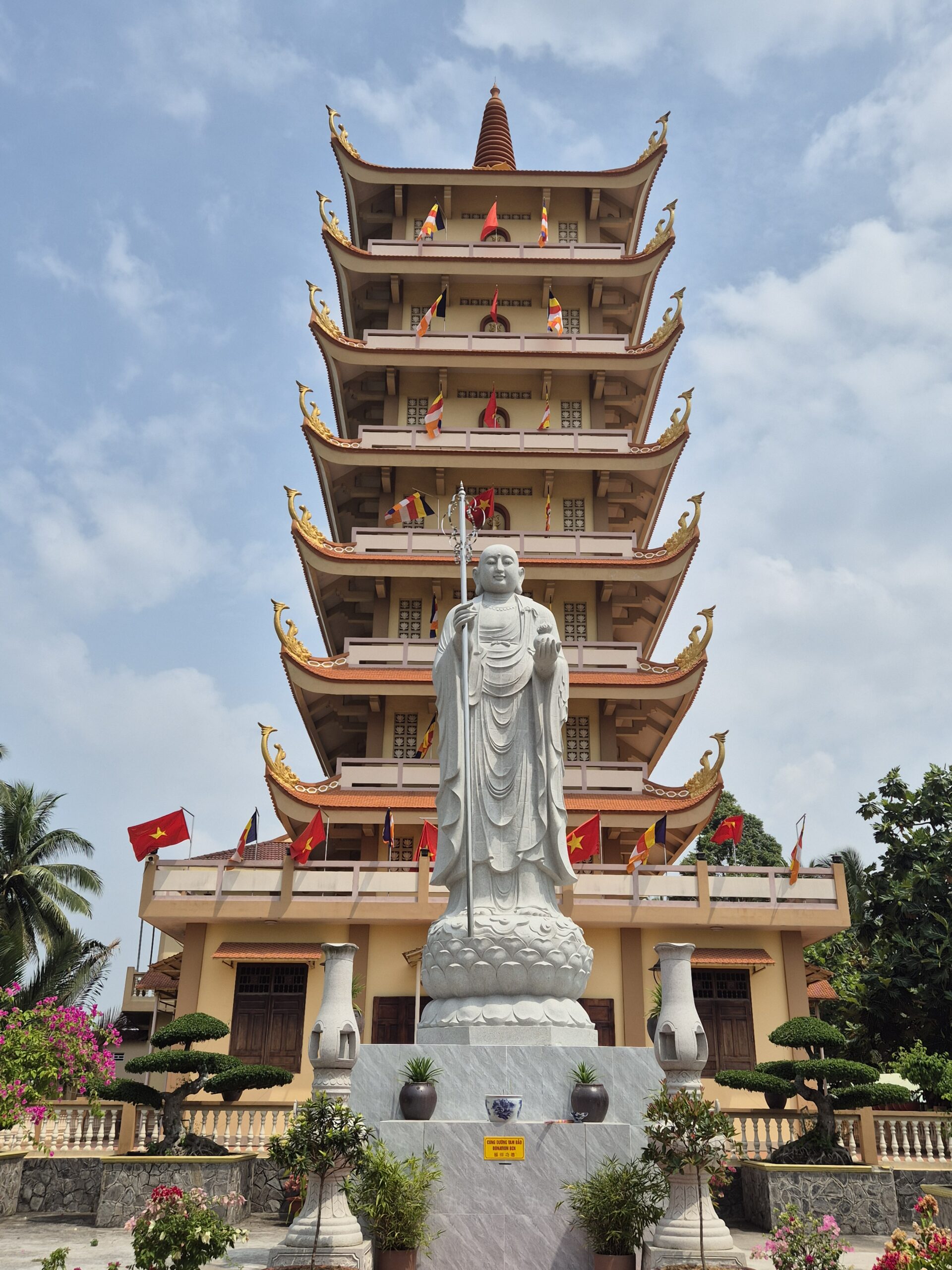
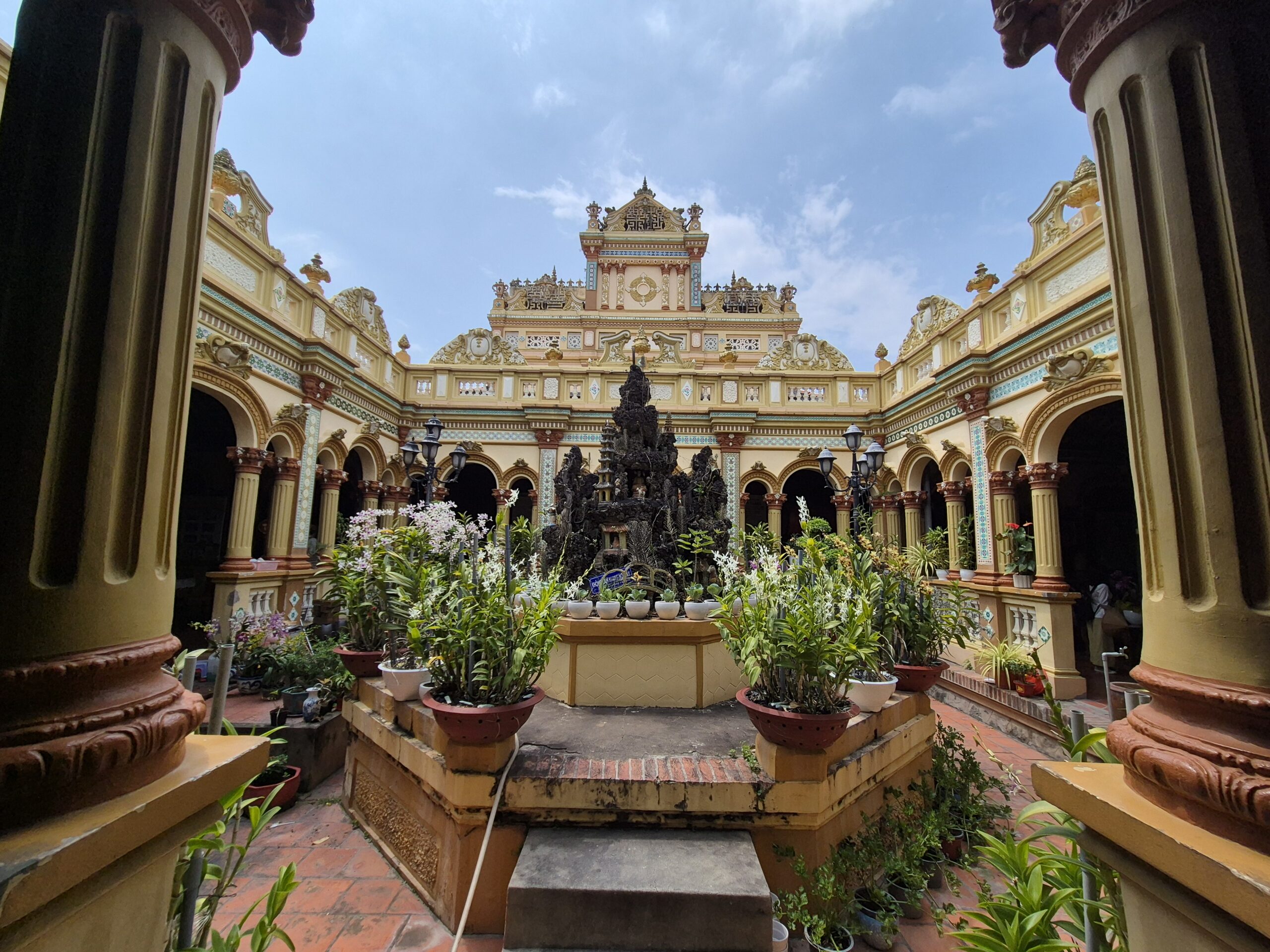
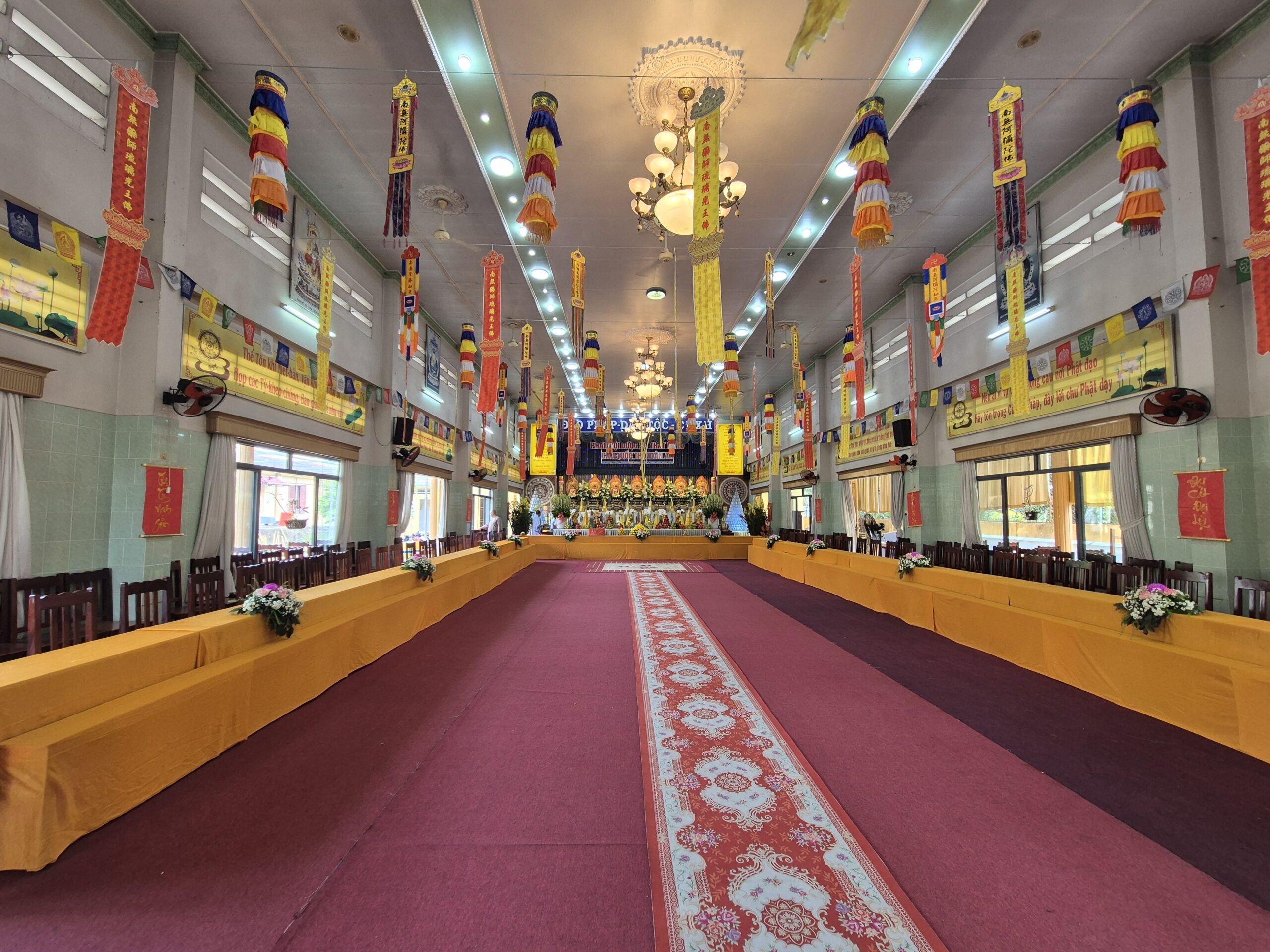
Mekong Delta
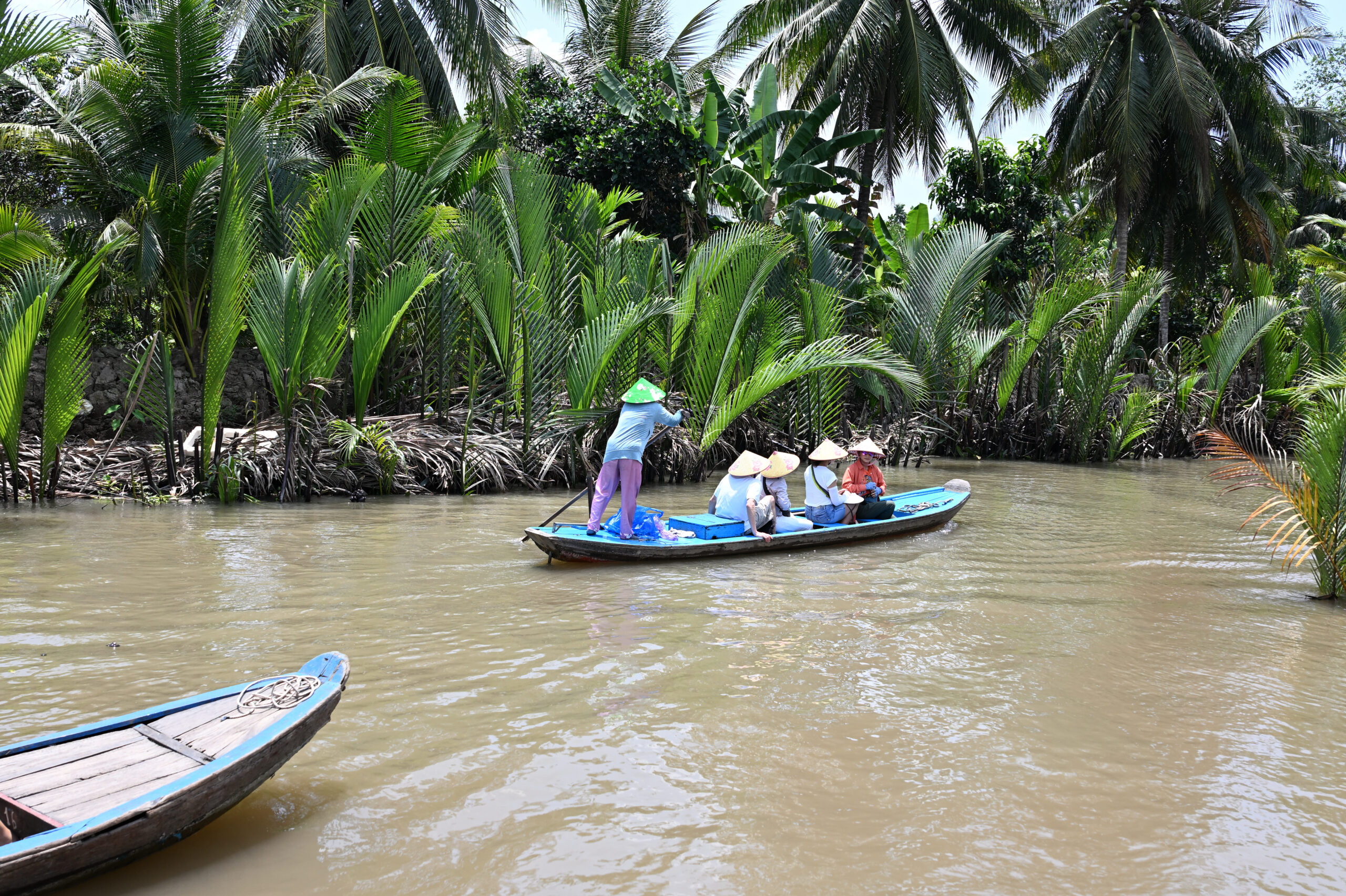

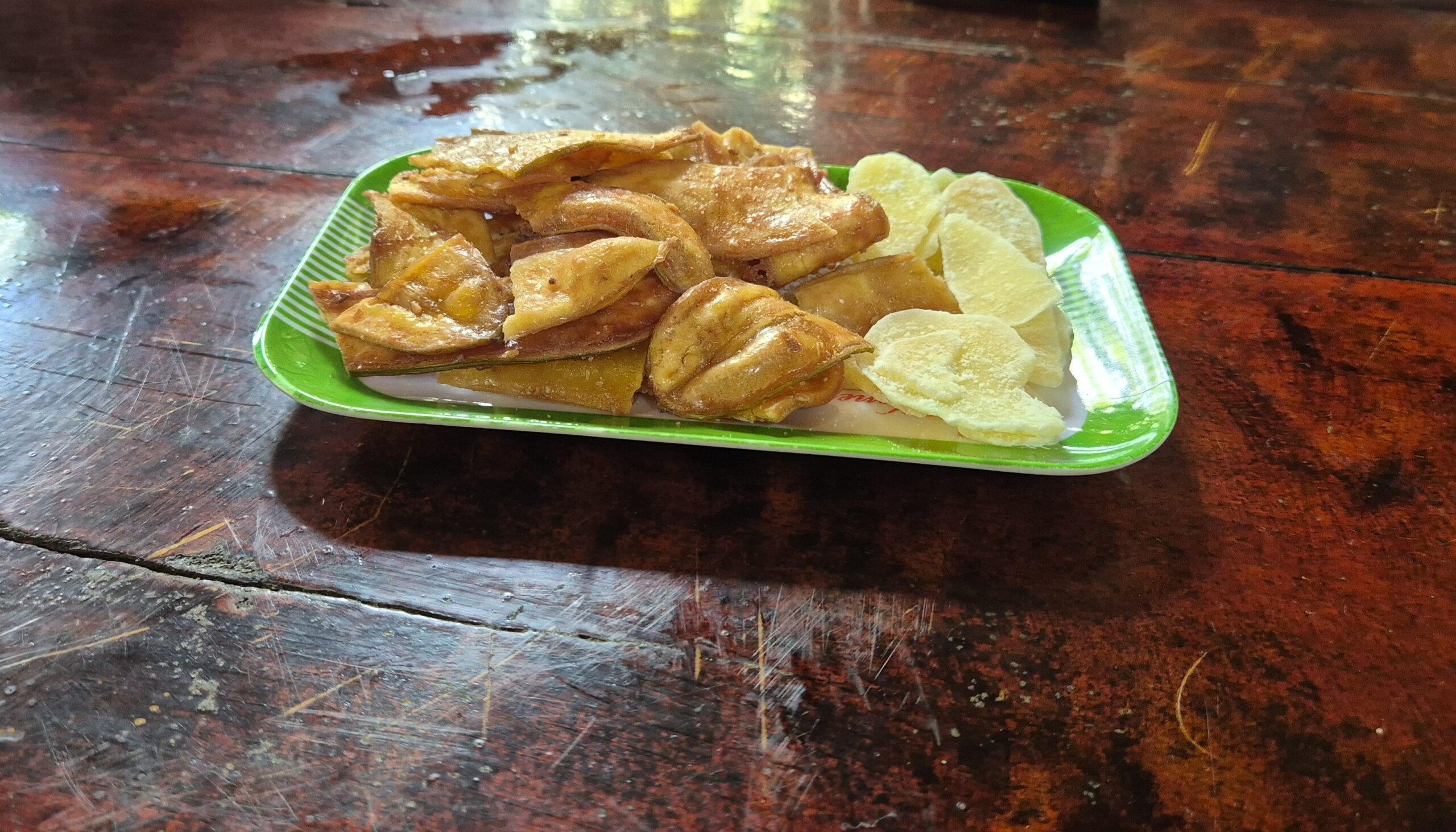
DAY - 3 : Phu Quoc
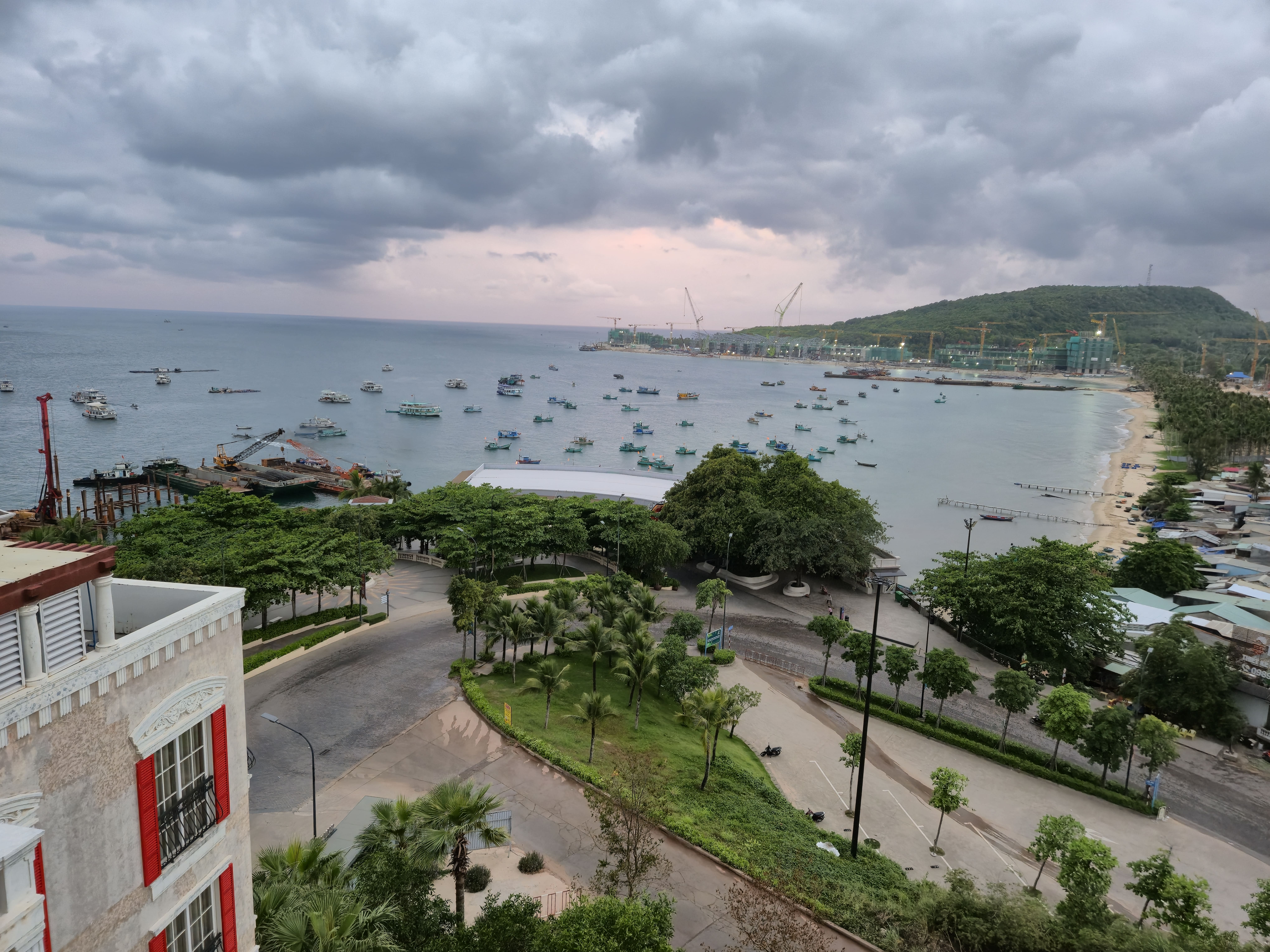
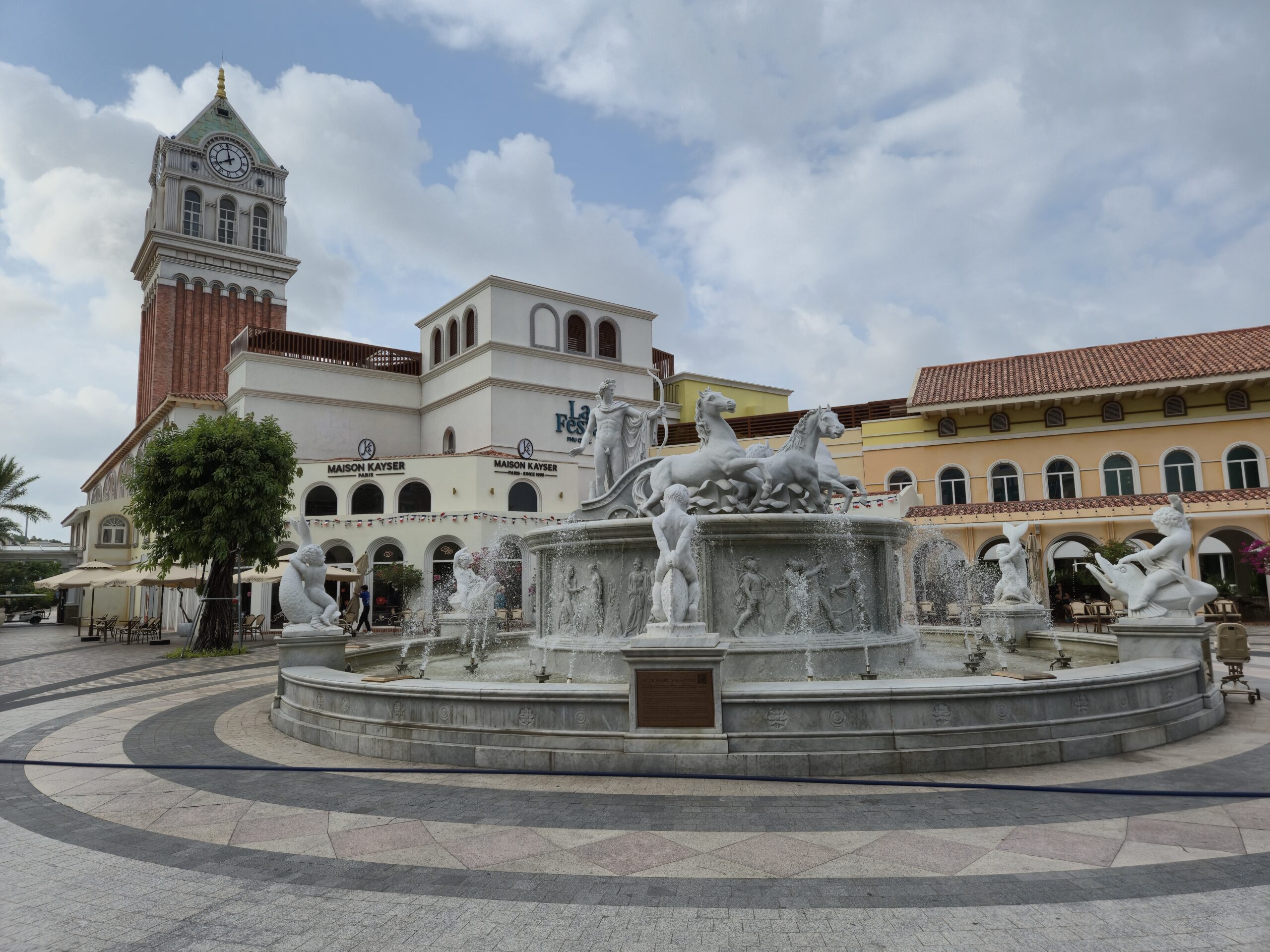
Sun World Hon Thom Nature Park
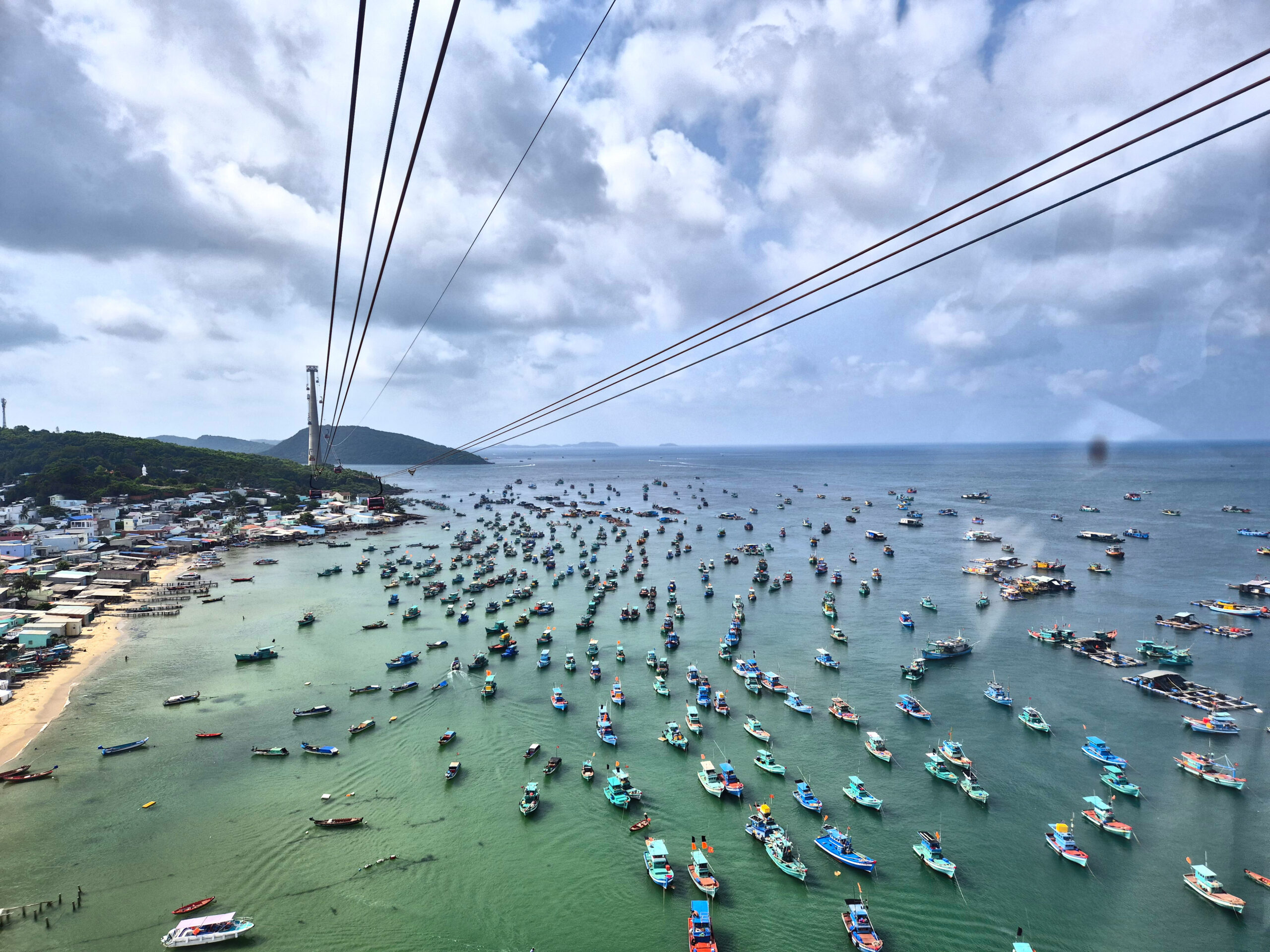

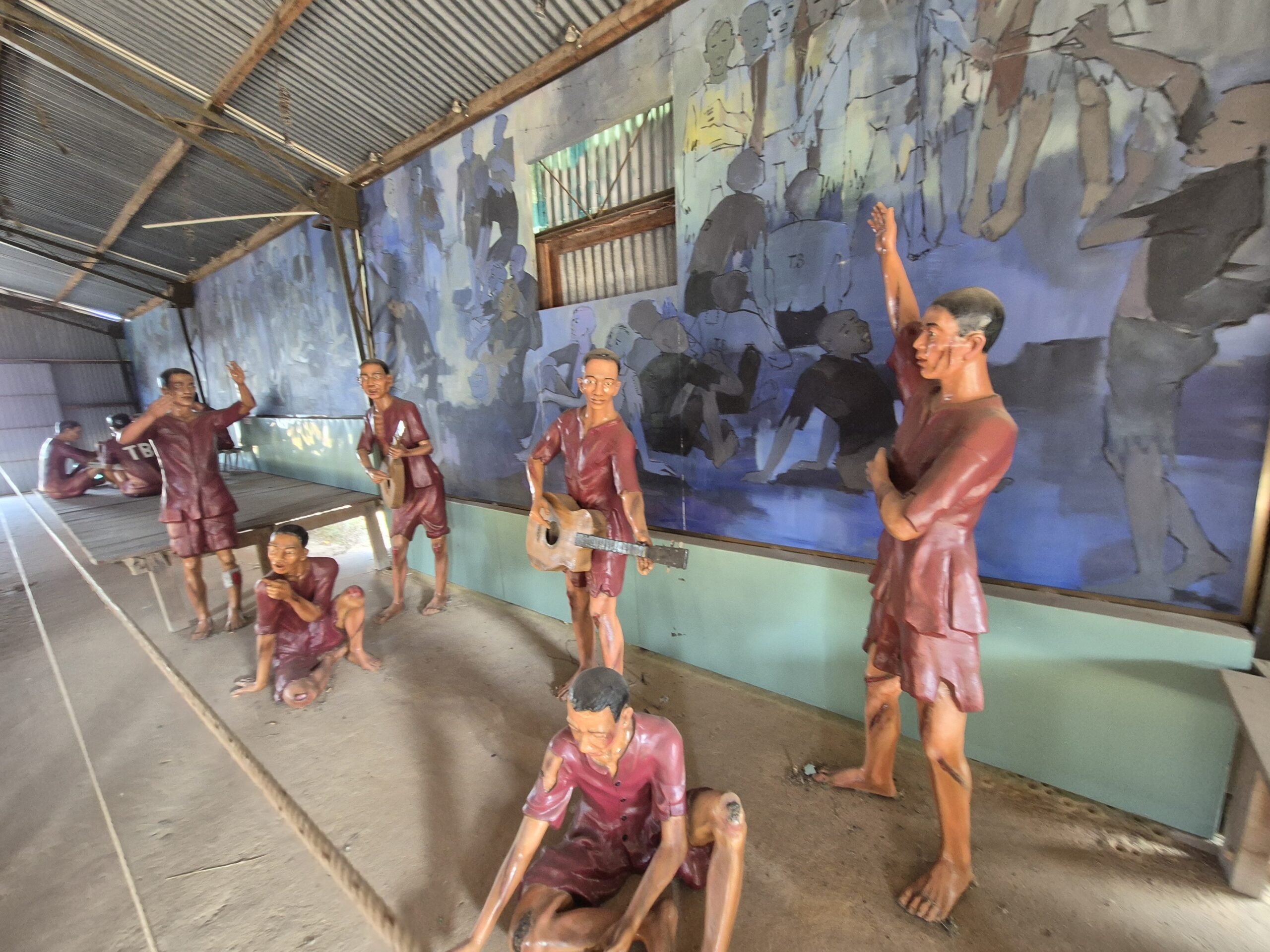
Phu Quoc Prison Museum
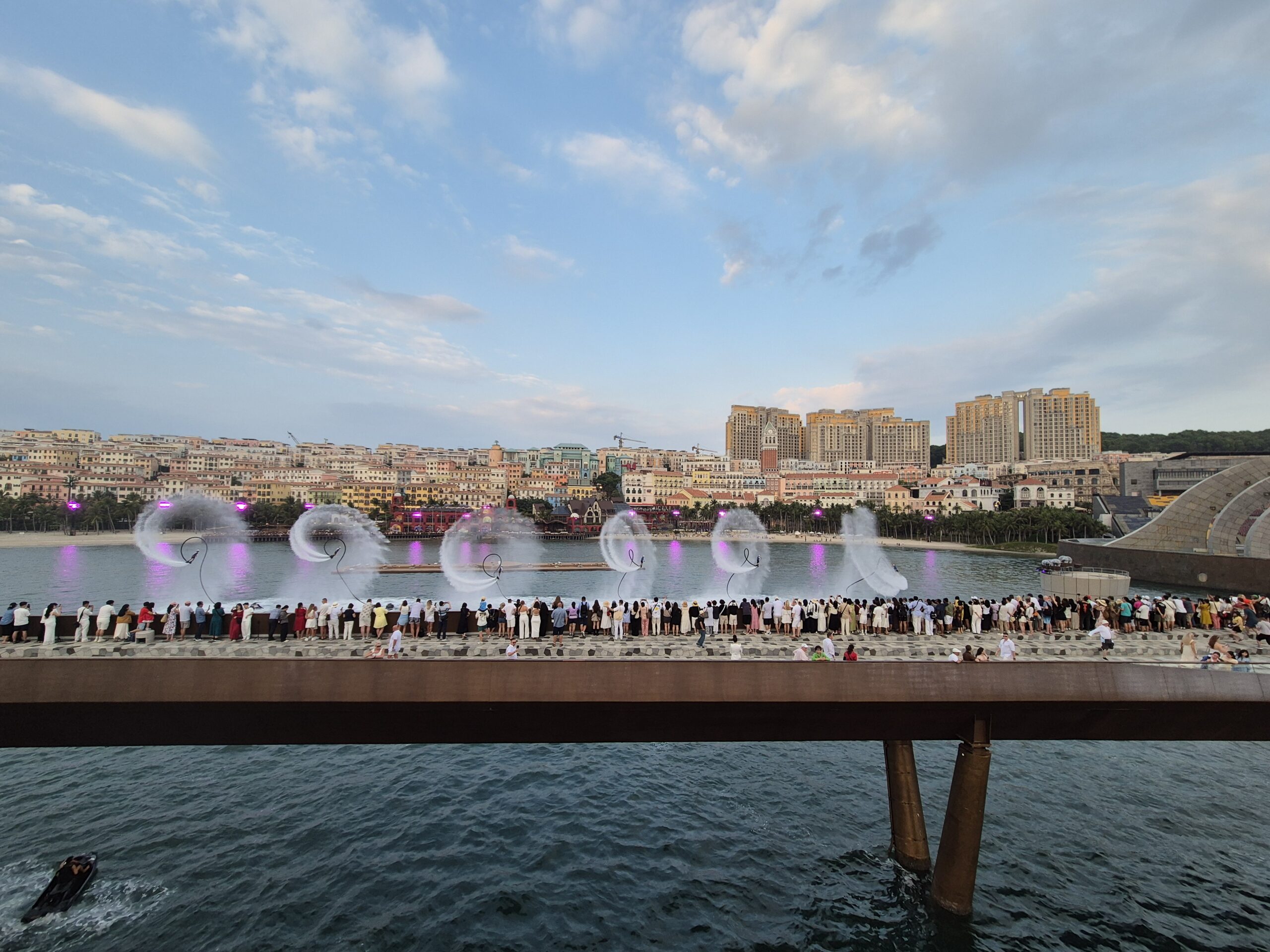
The Kiss Bridge
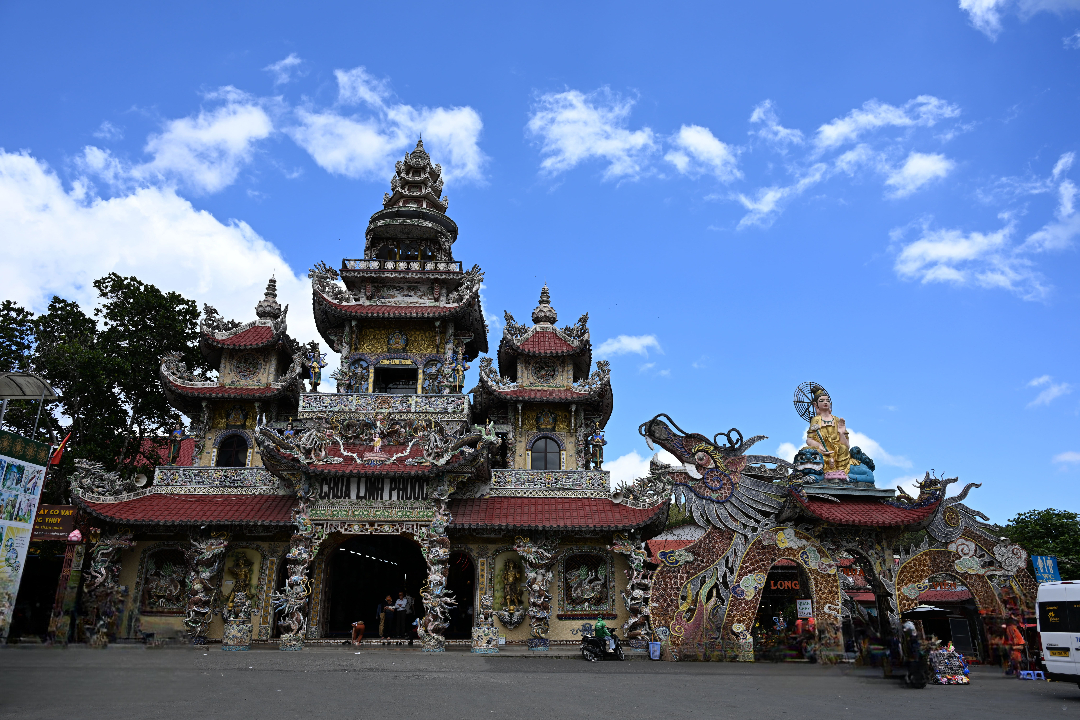
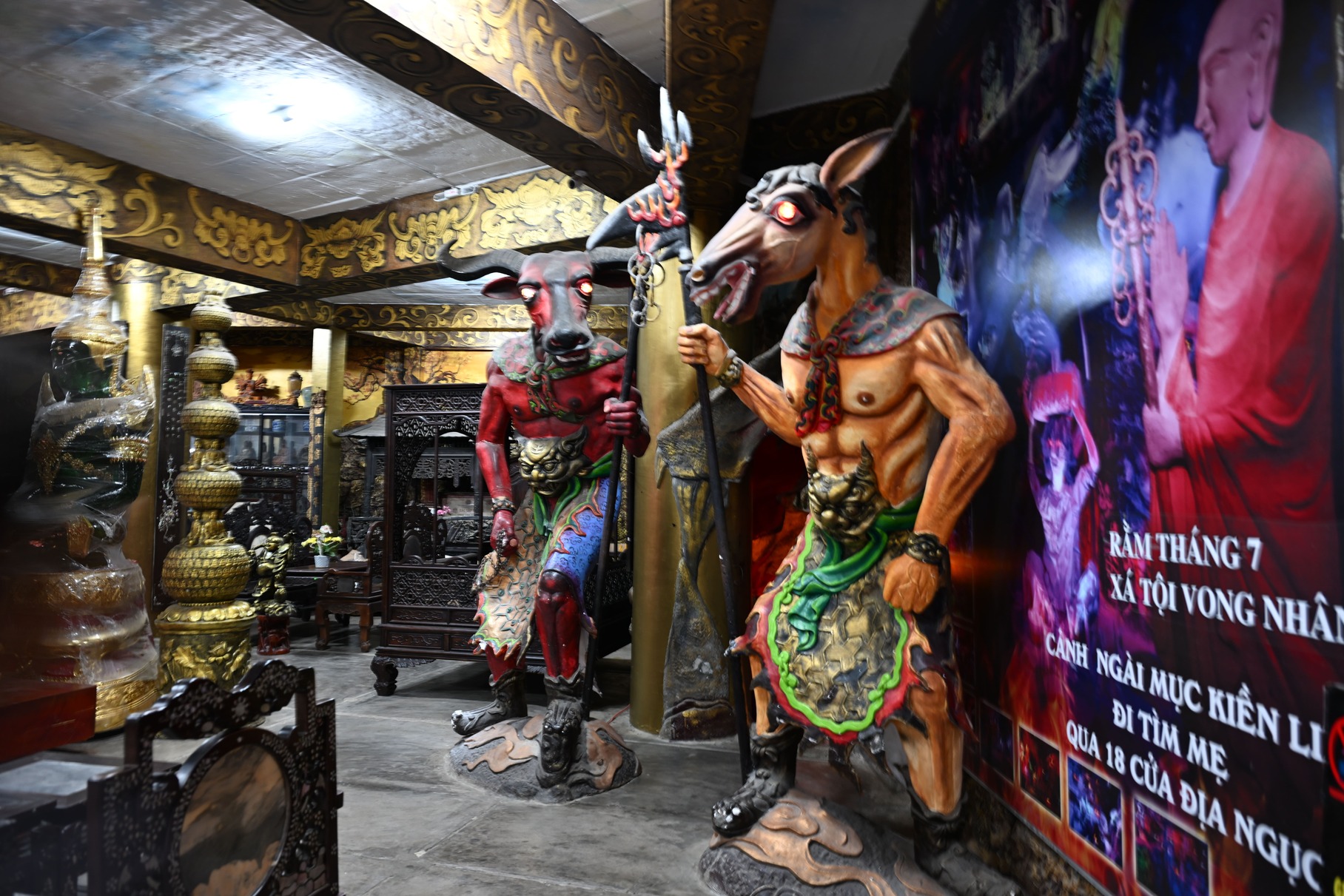
DAY - 4 : Nha Trang
Datanla Waterfall
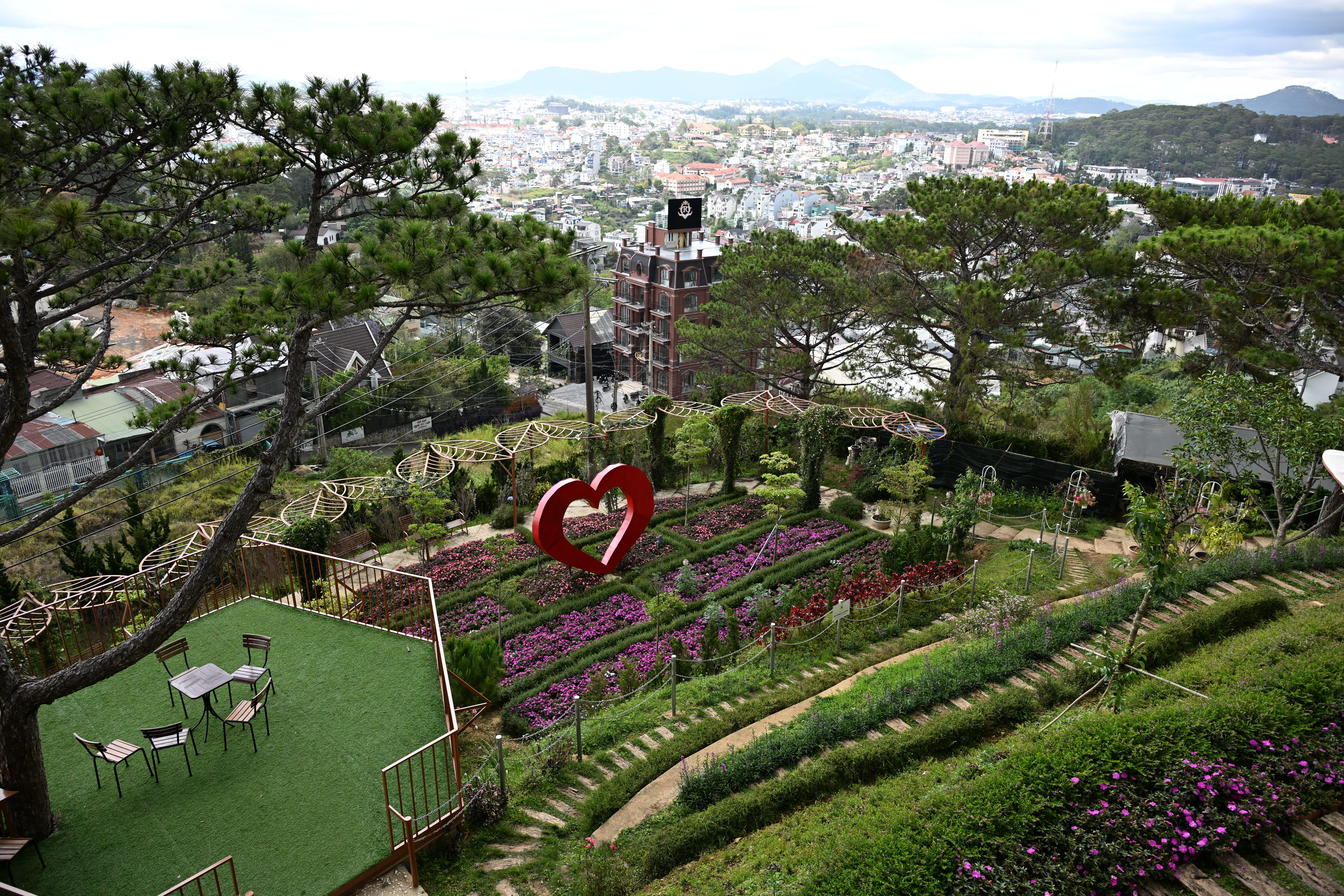
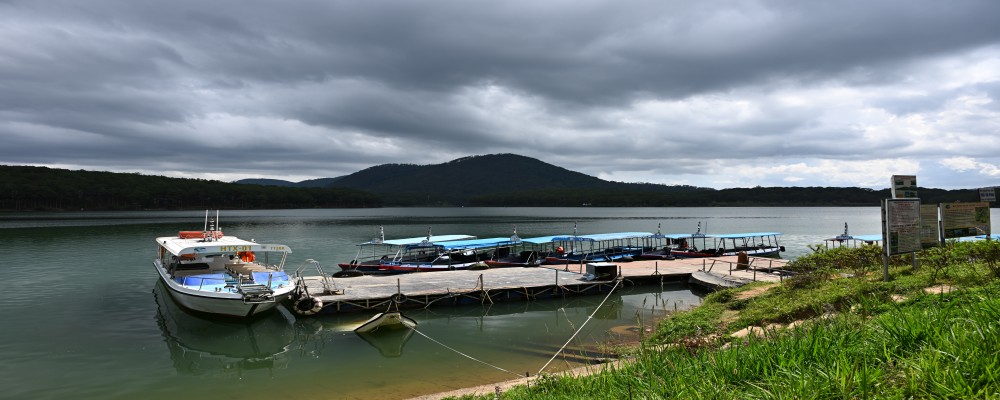
Truc Lam Zen Buddhist Temple
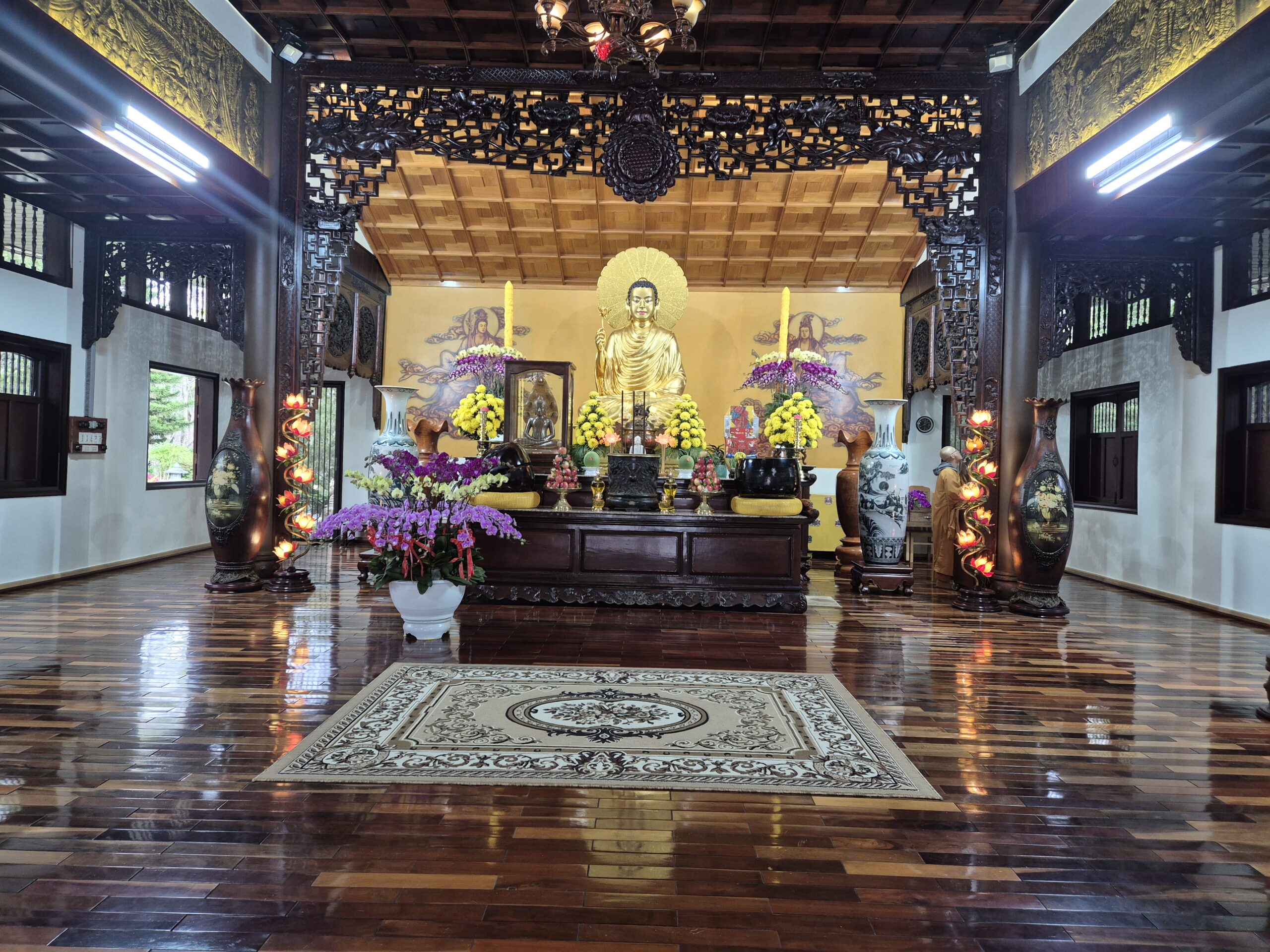
Da Lat Railway Station
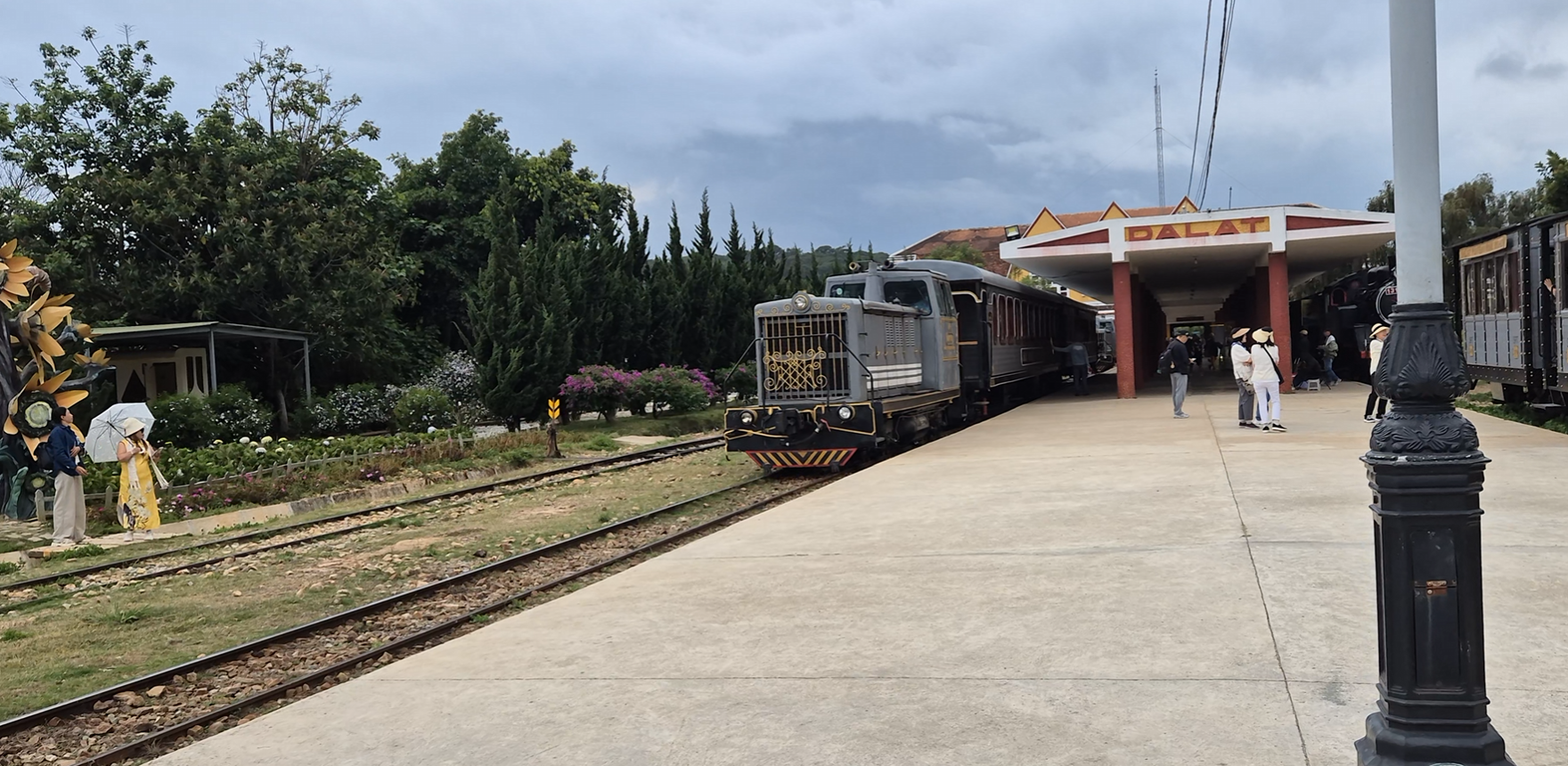
Museum of Oceanography
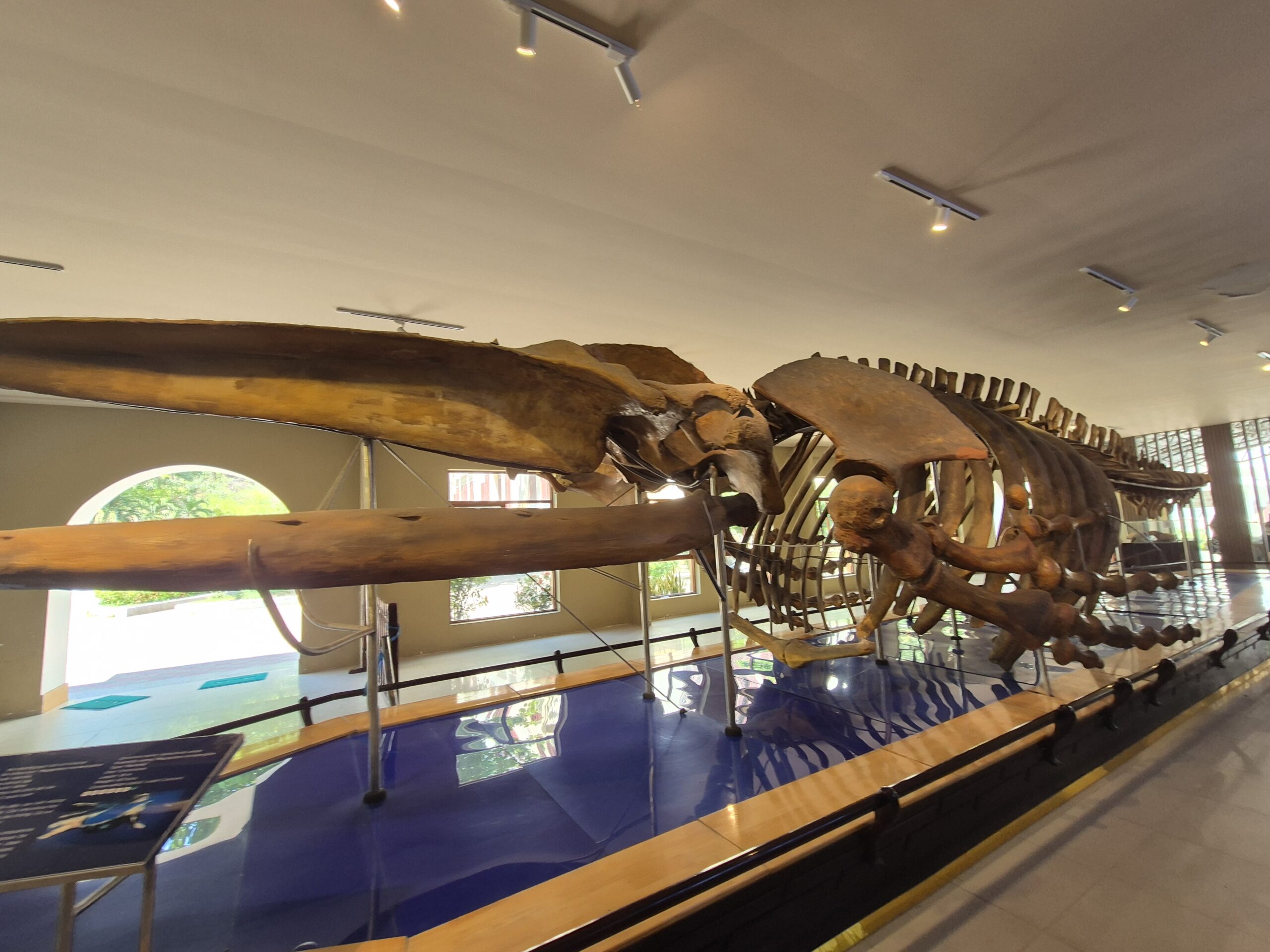
Po Nagar Temple
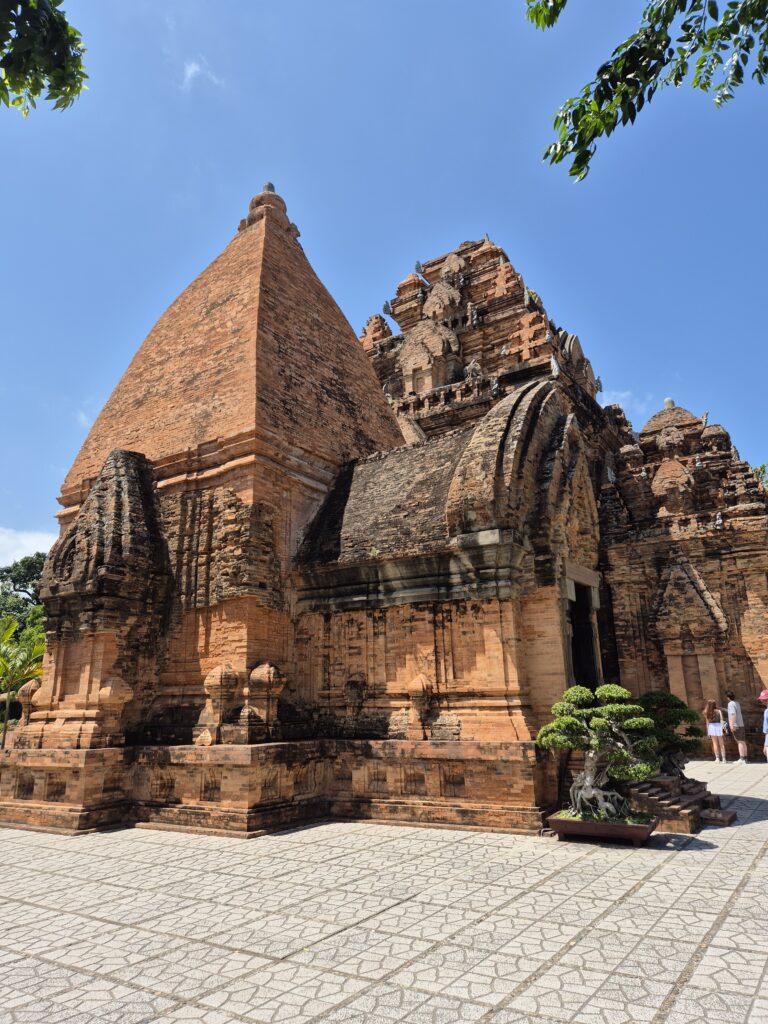
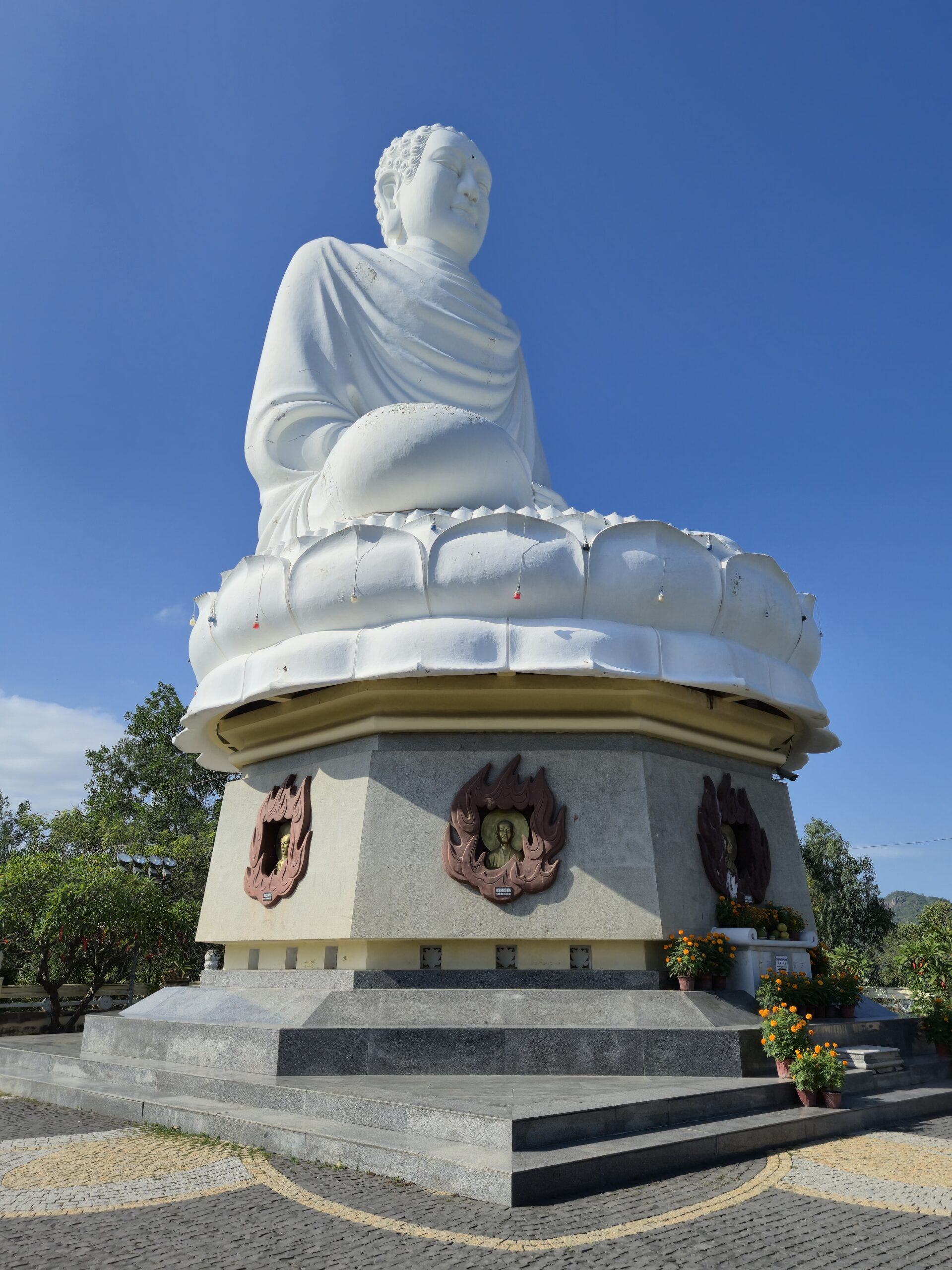
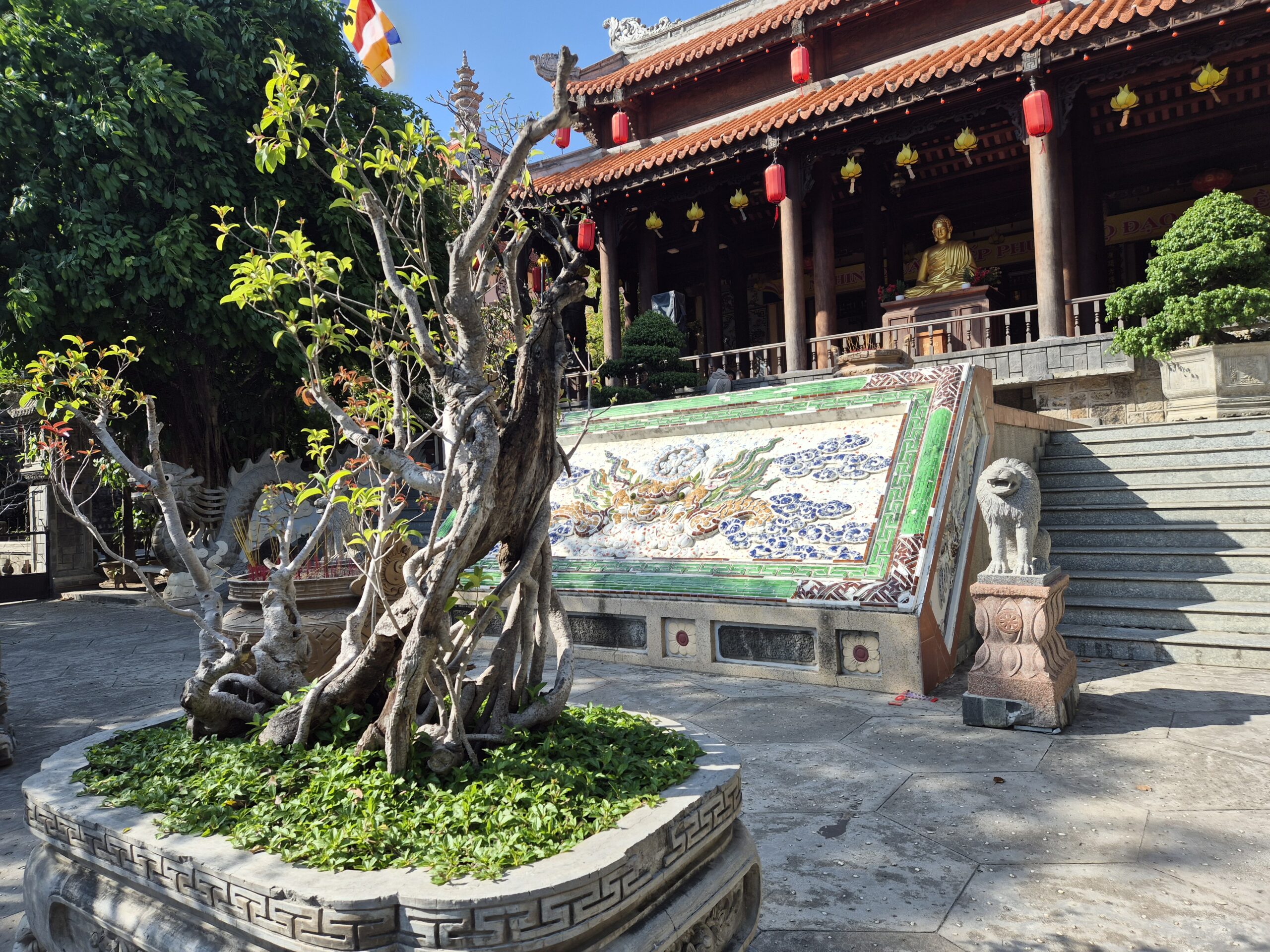
Long Son Pagoda
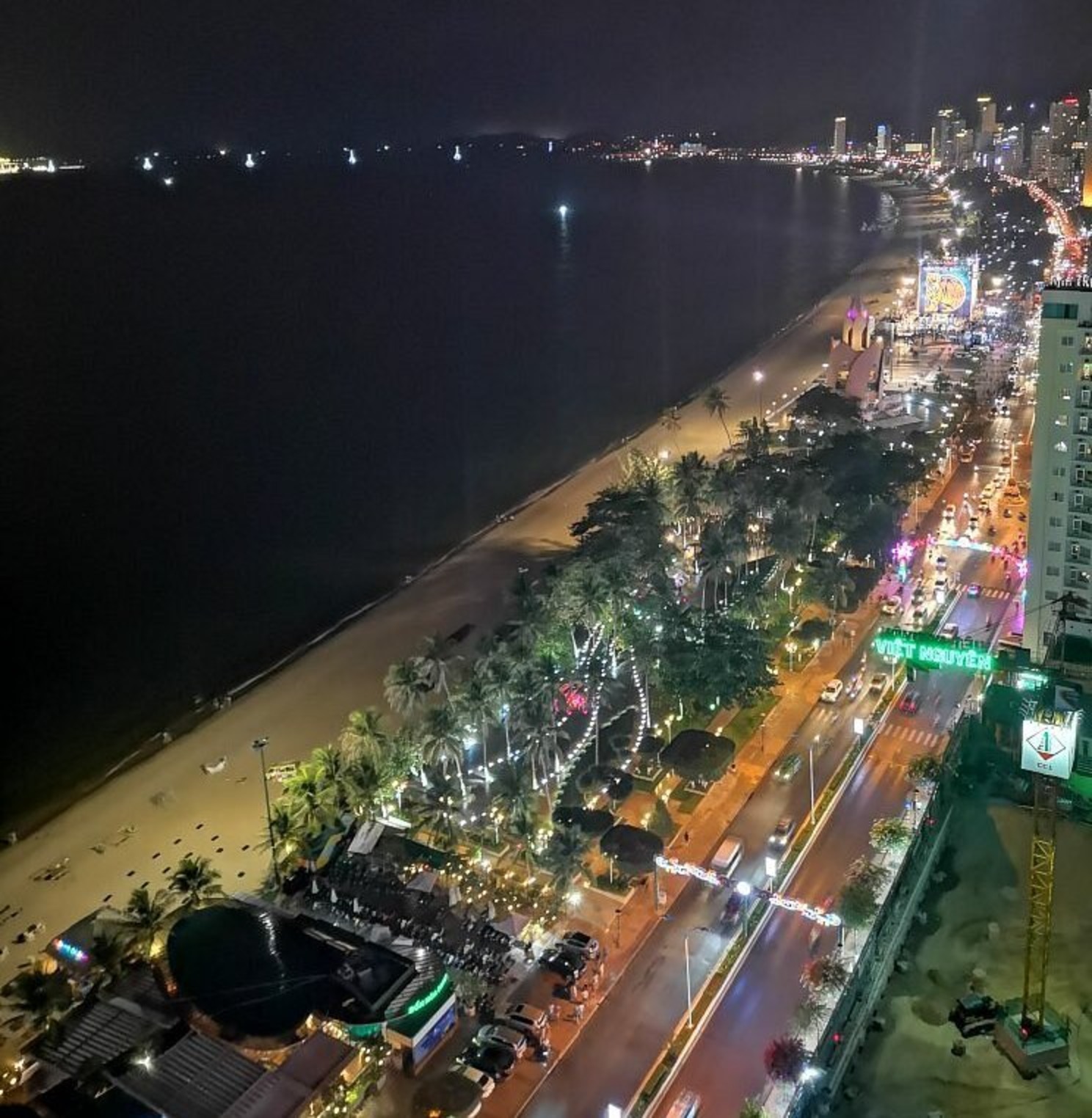
Nha Trang
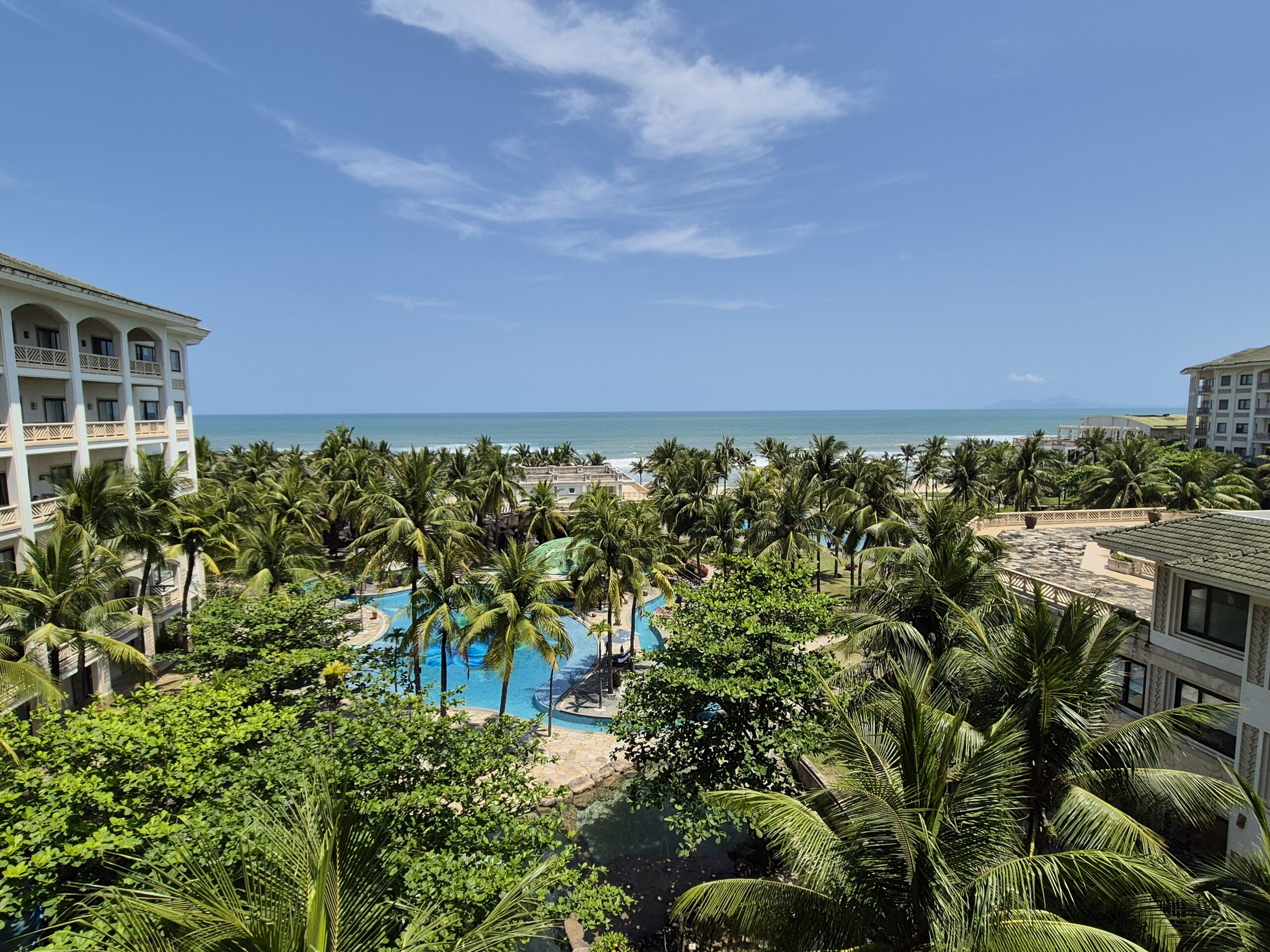
DAY - 5 : Da Nang
My Son Sanctuary
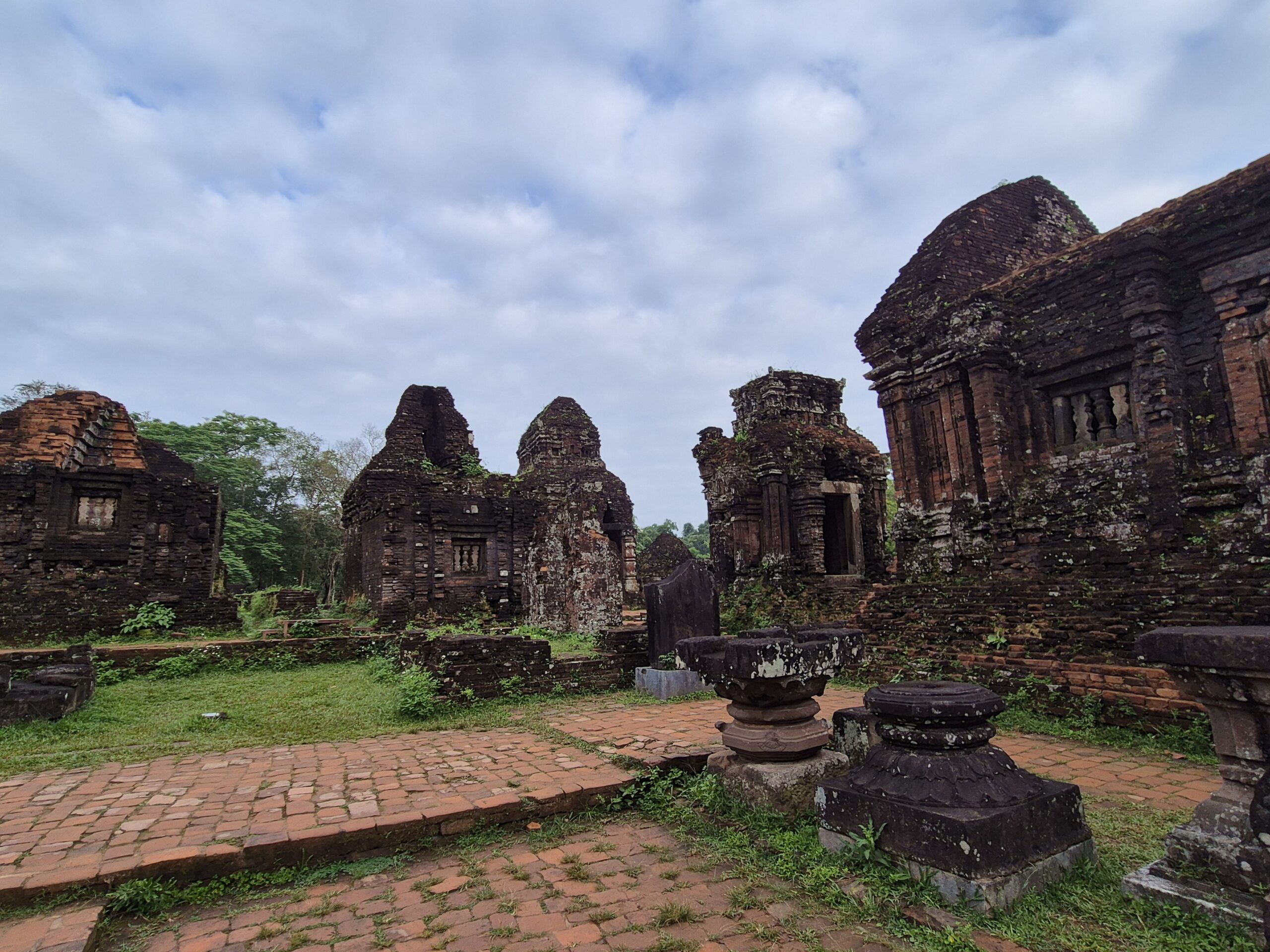
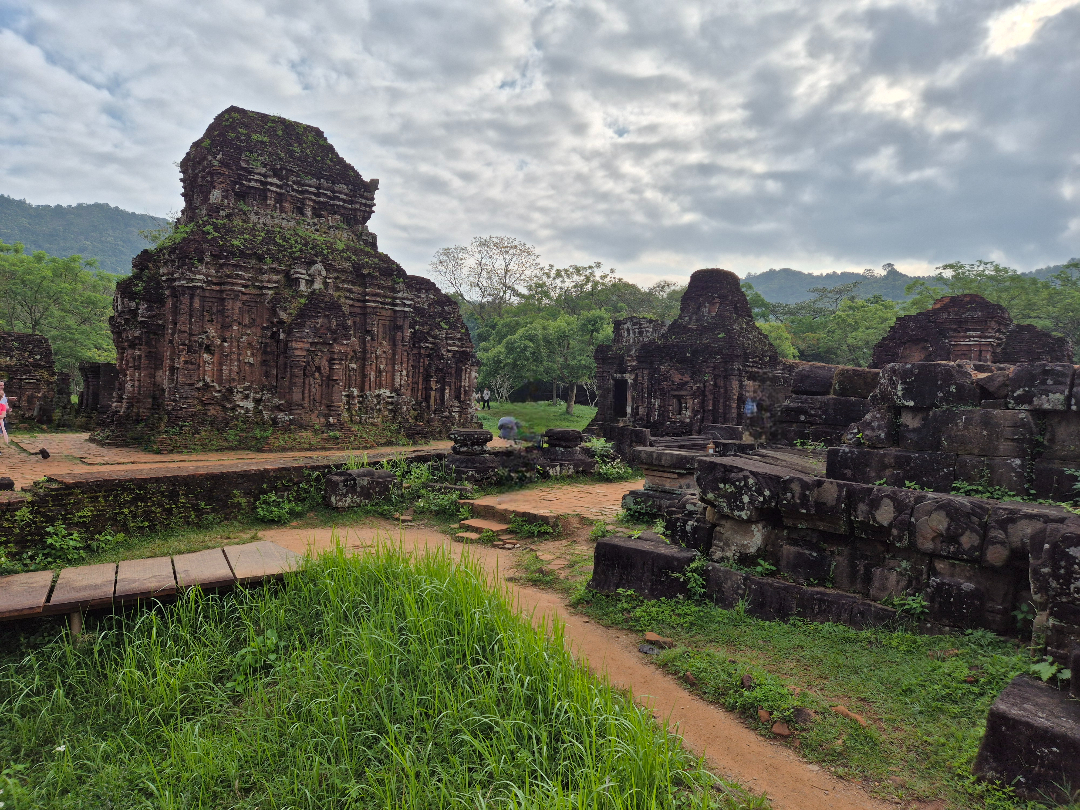
Son Tra Peninsula
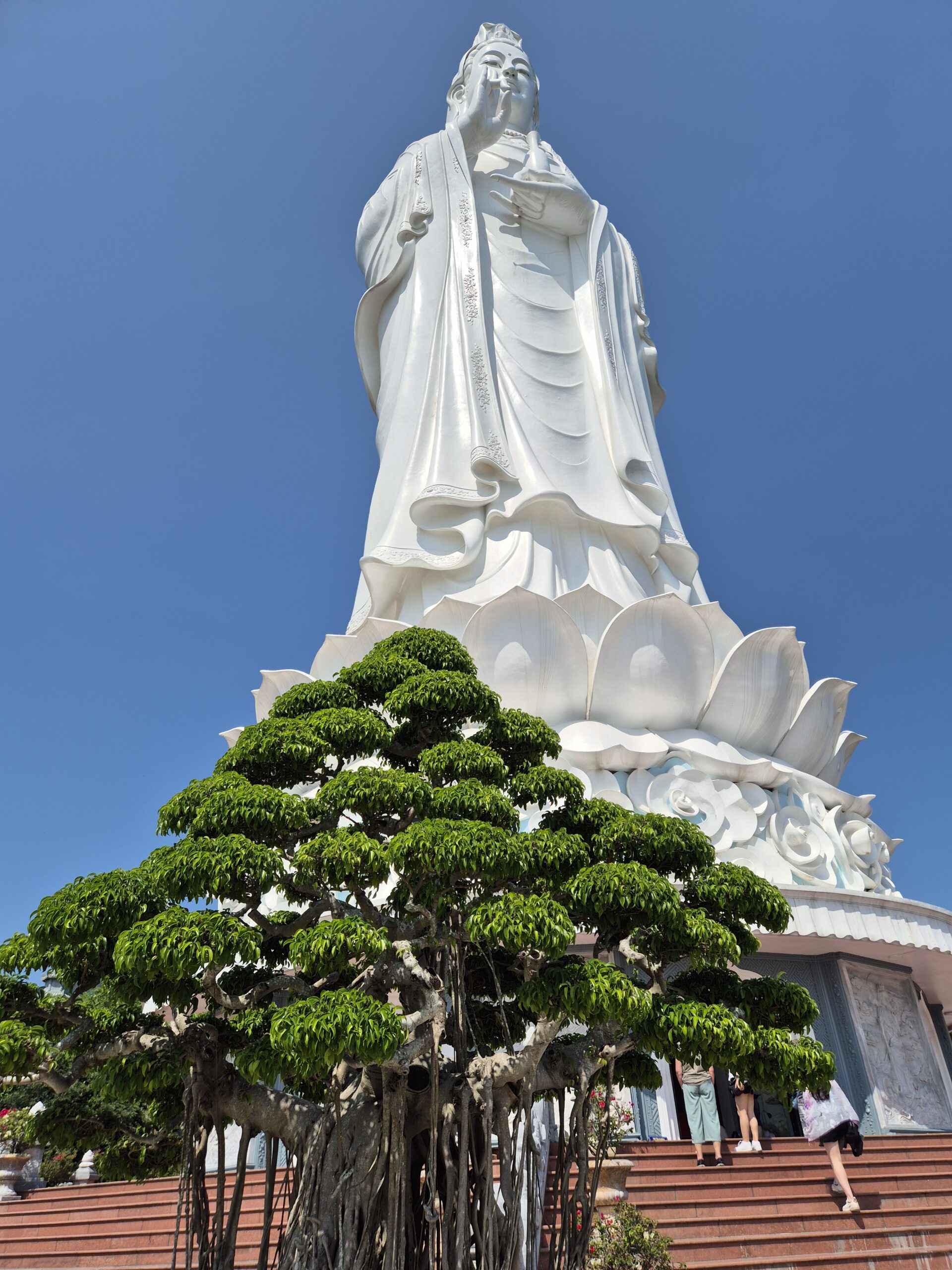
My Khe Beach
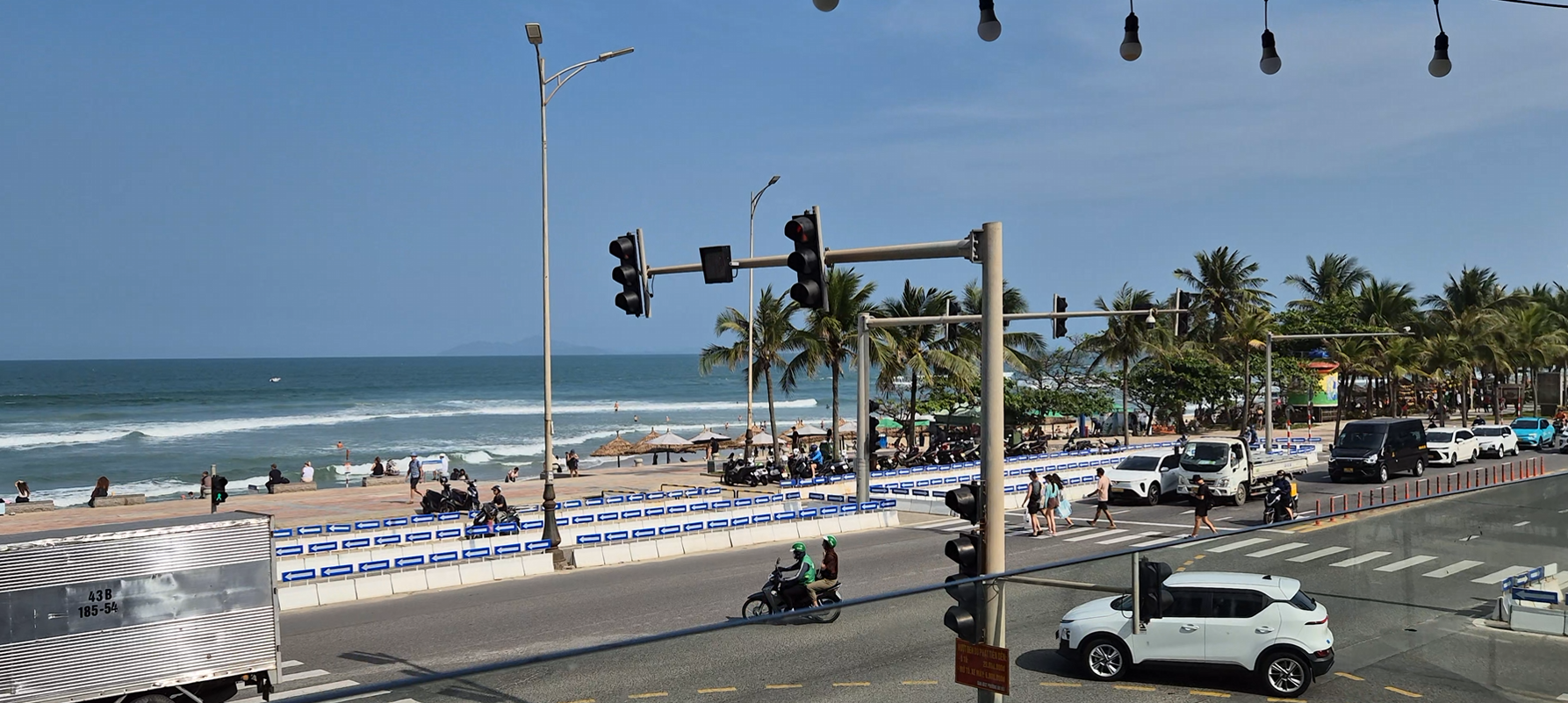
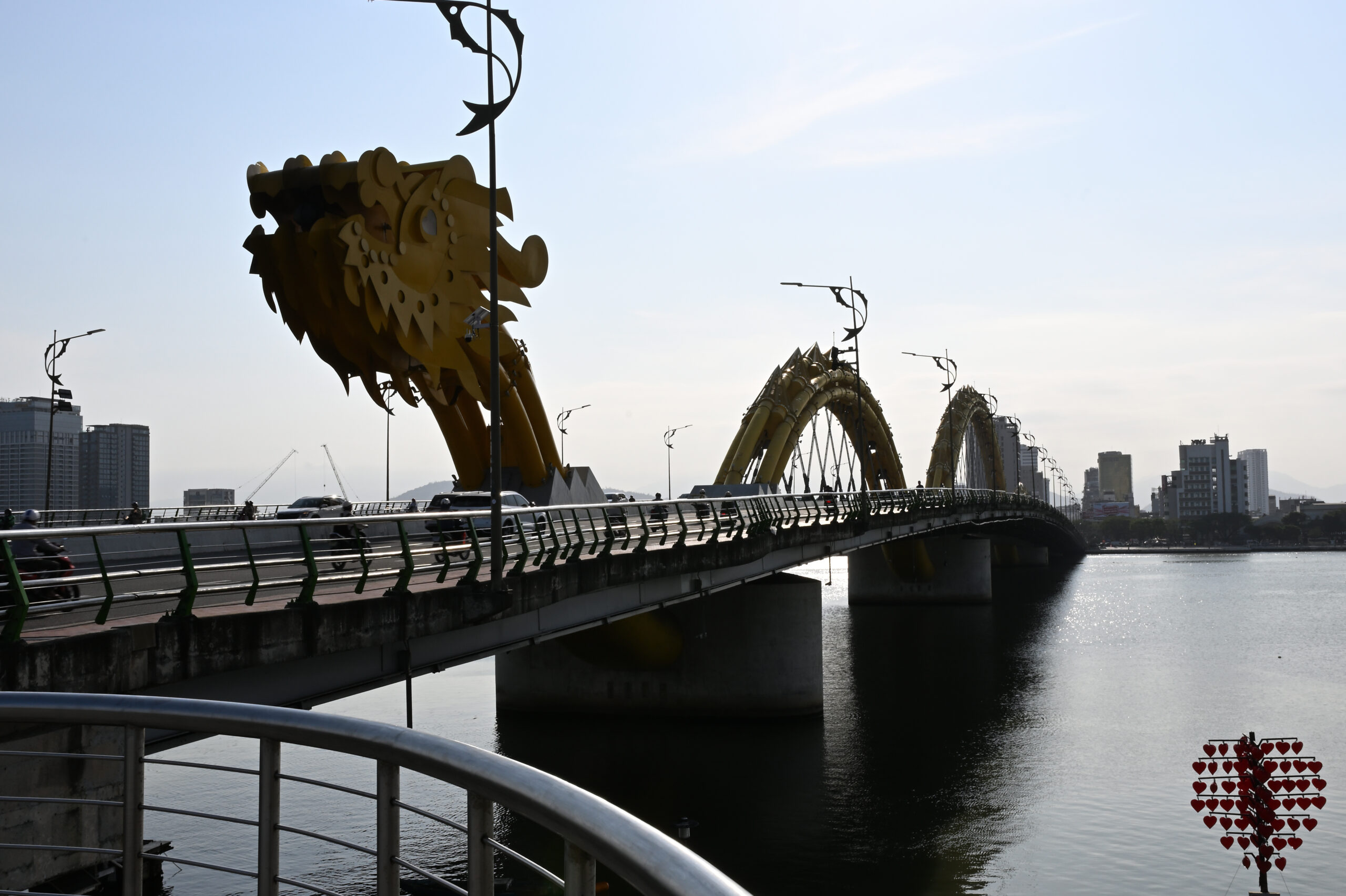
Dragon Bridge
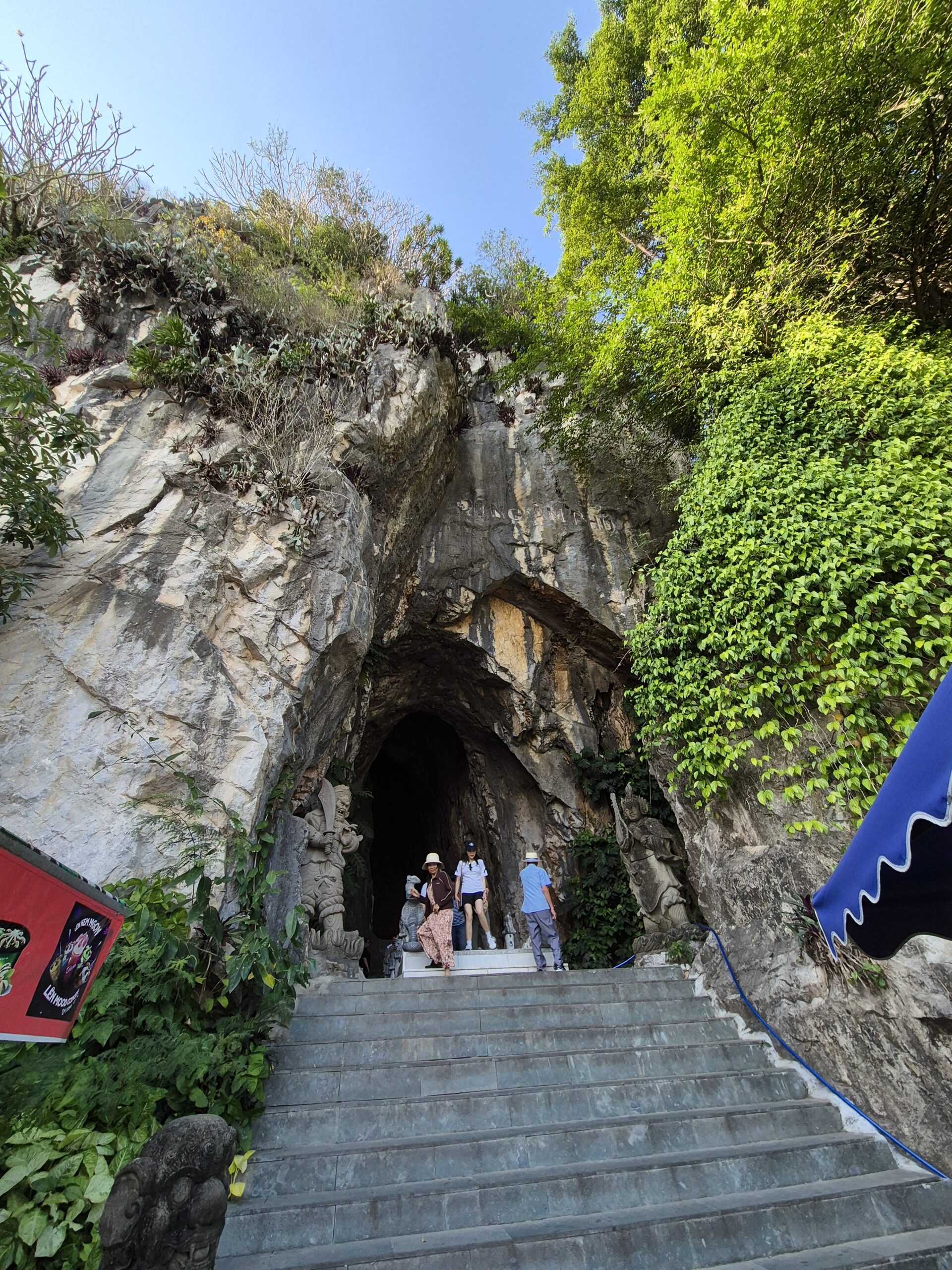
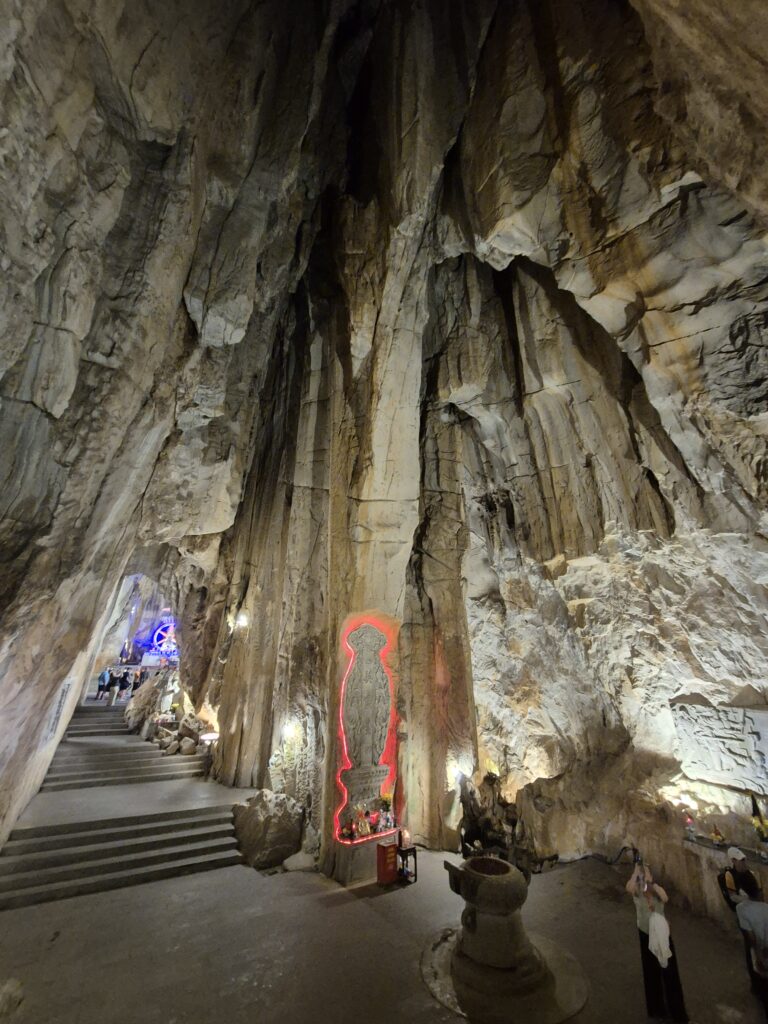
Âm Phủ Caves
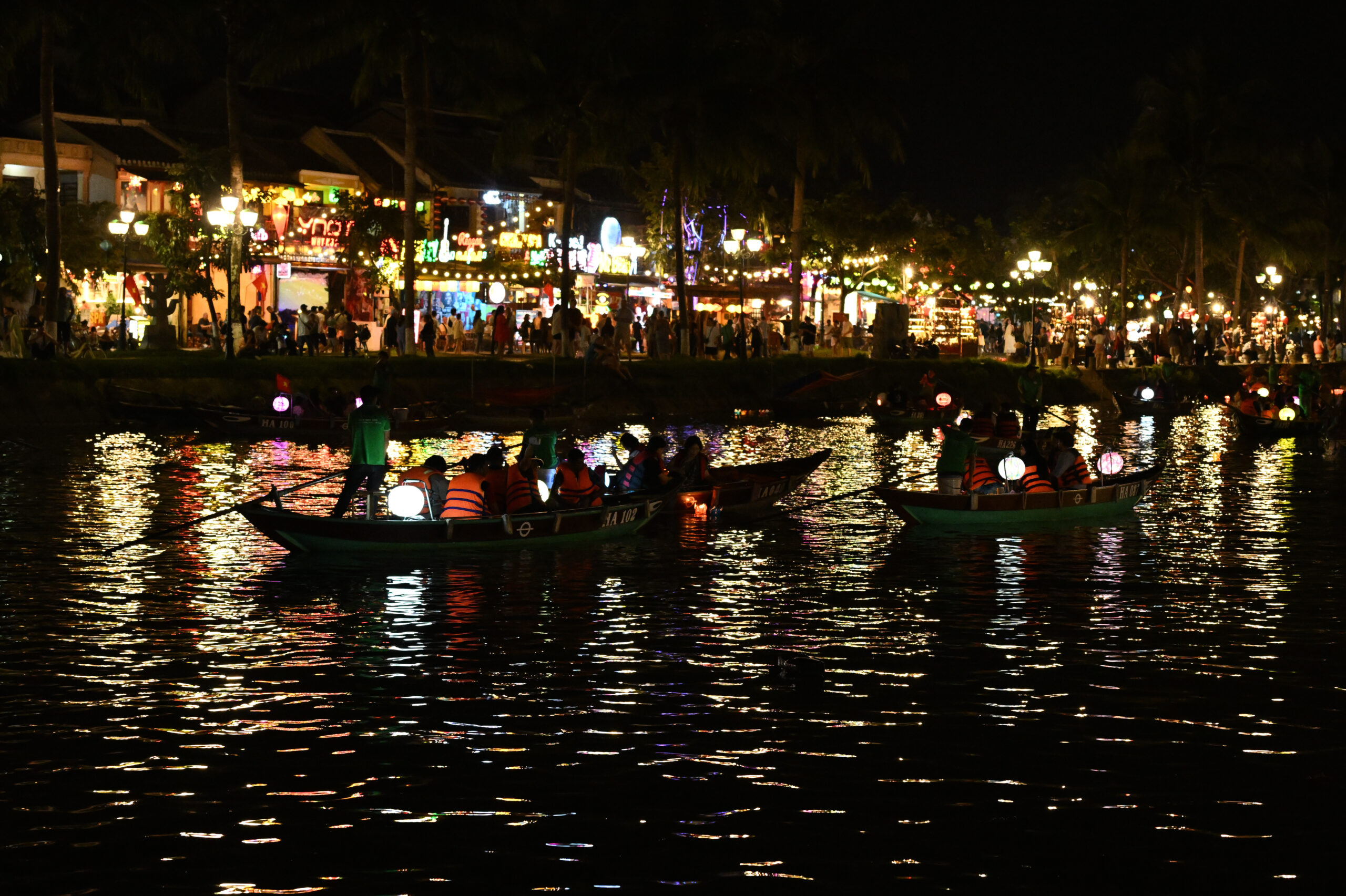
Hoi An
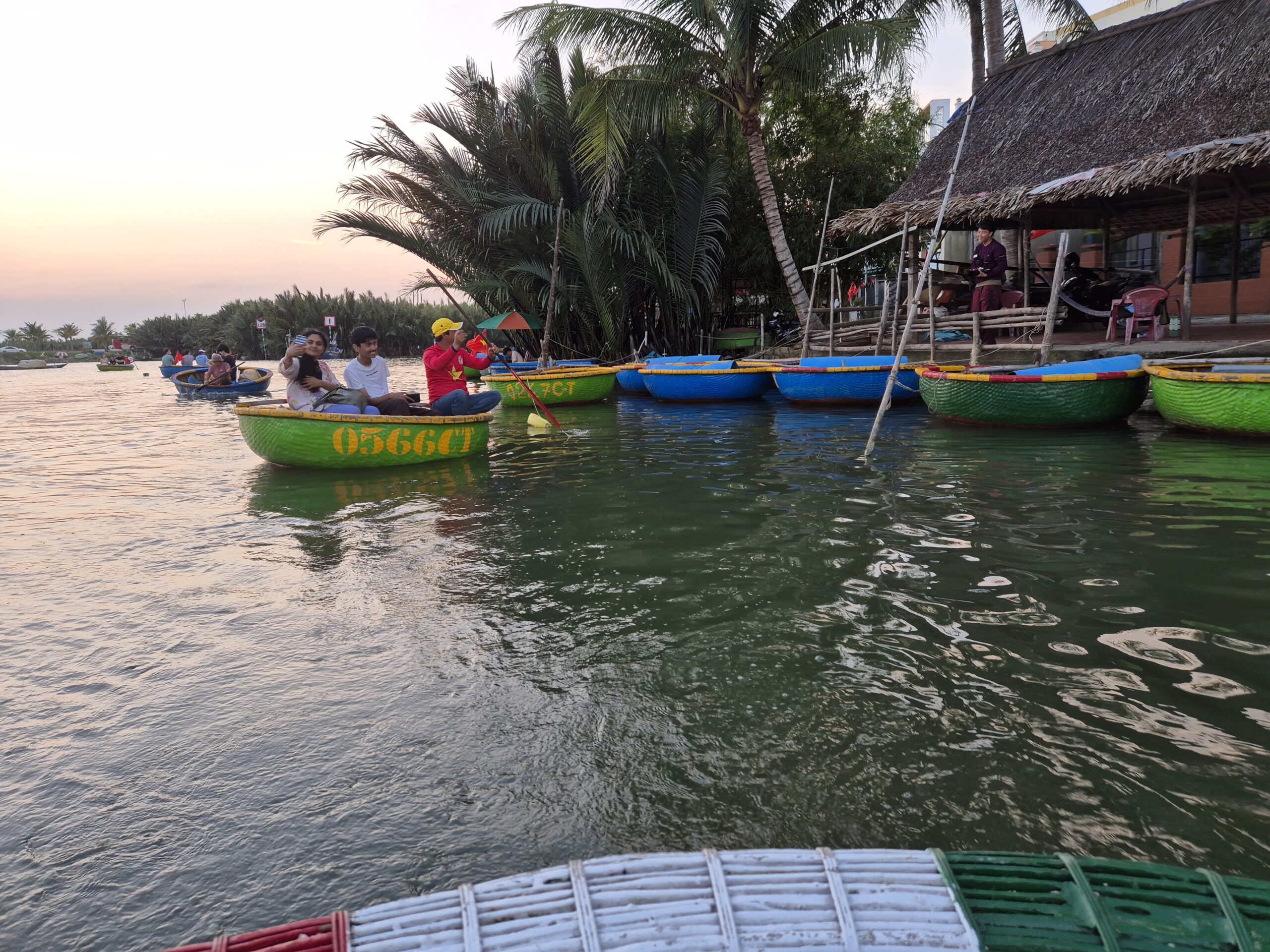
Hoi An

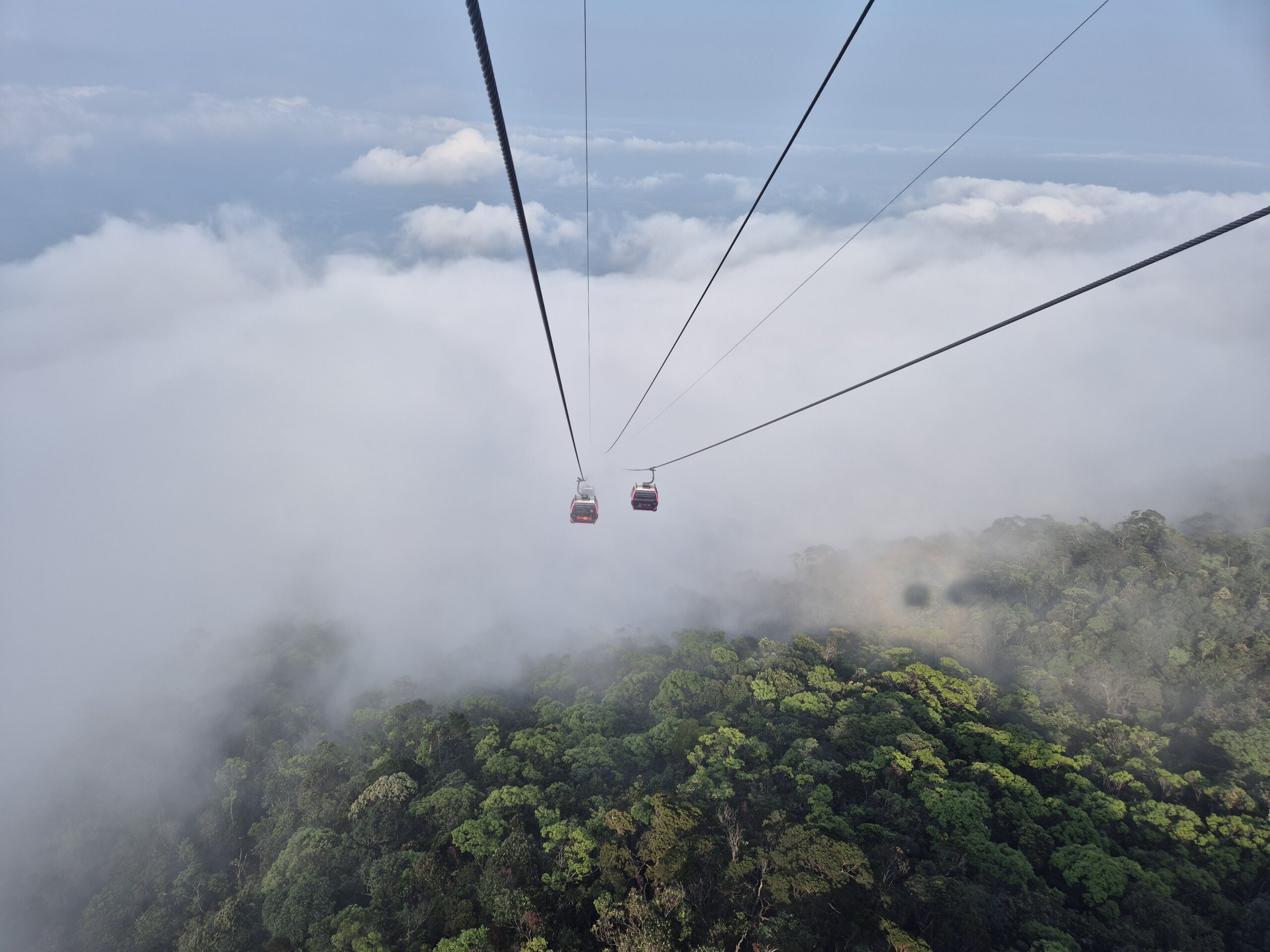
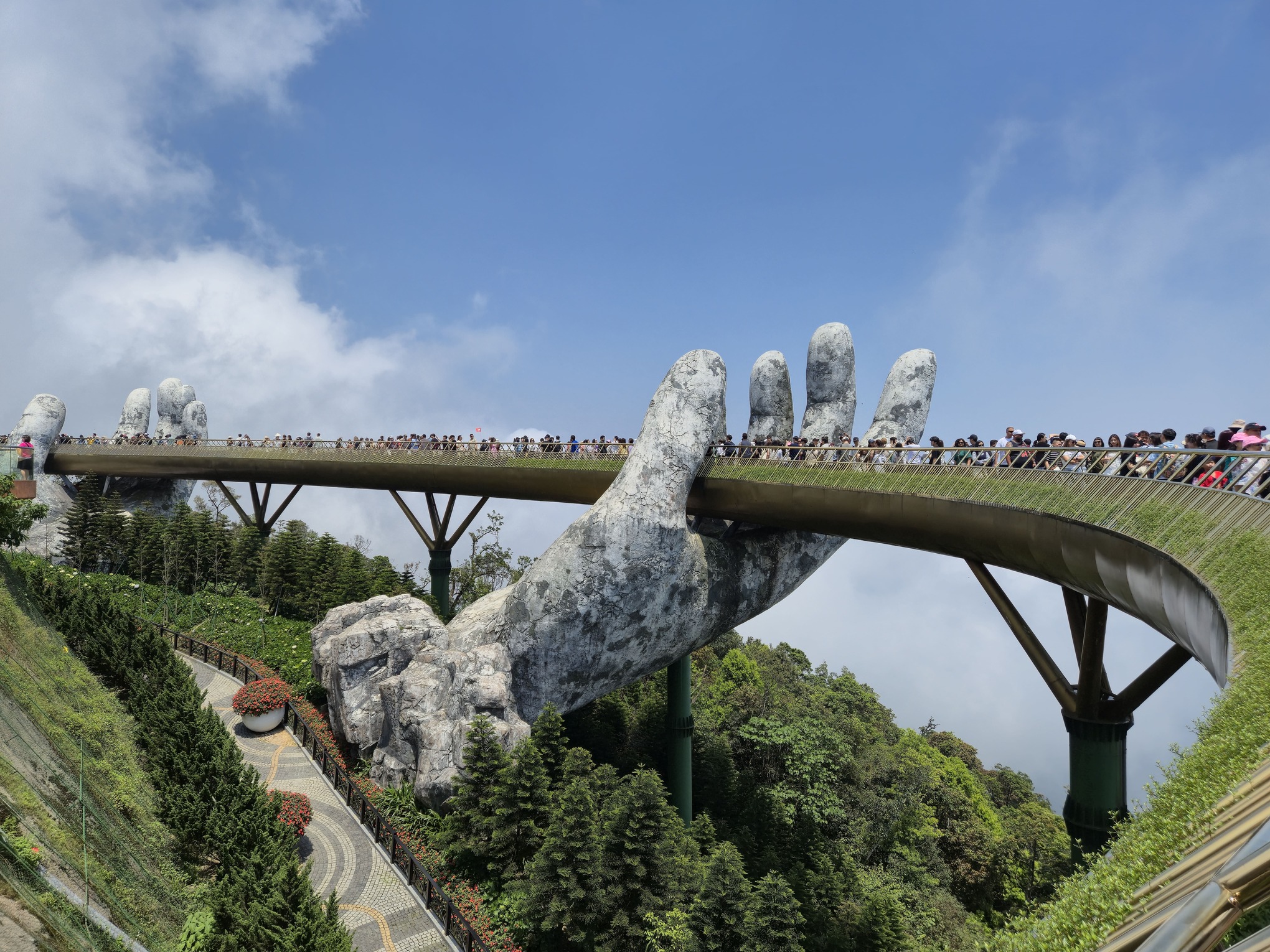
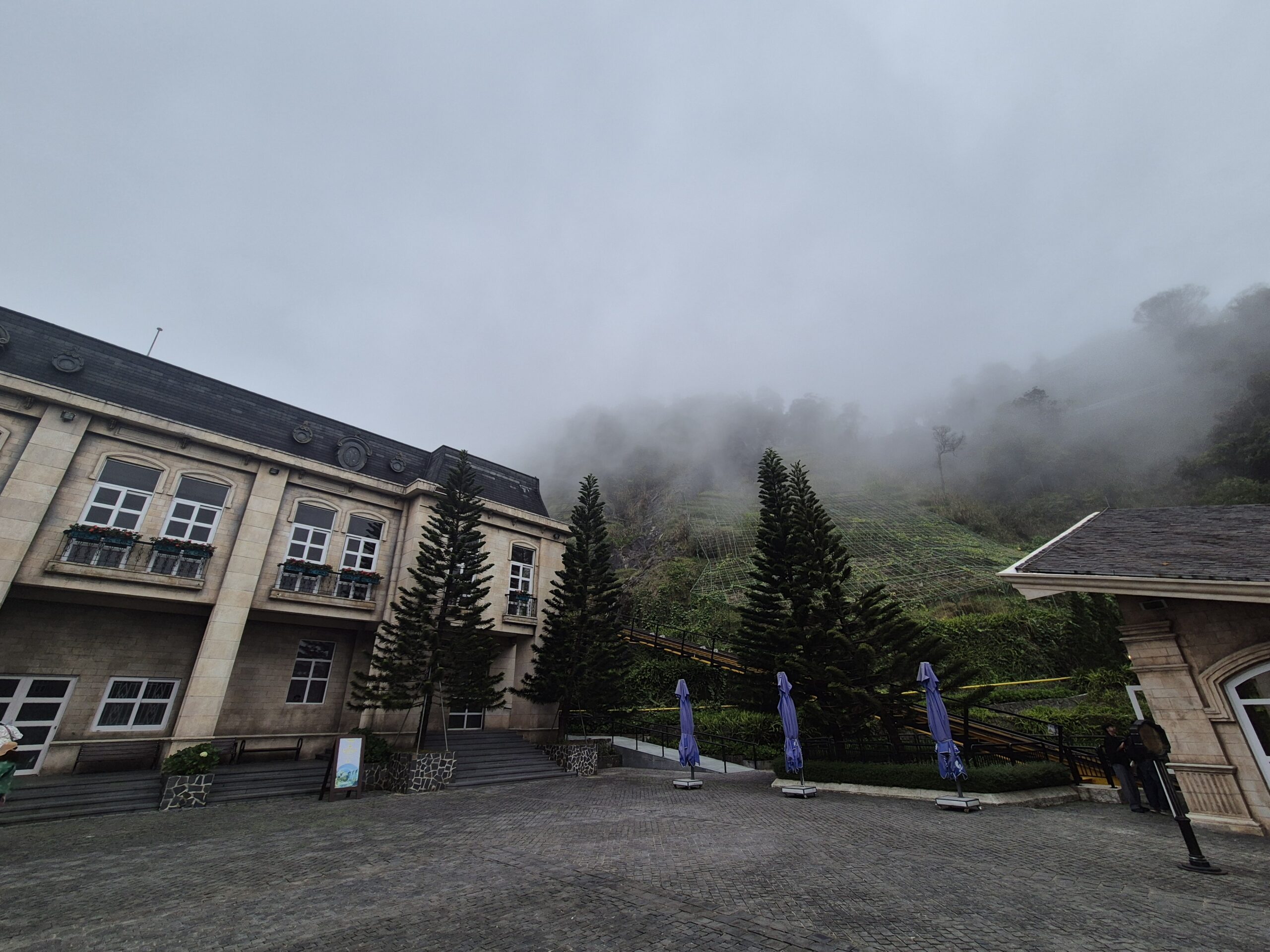
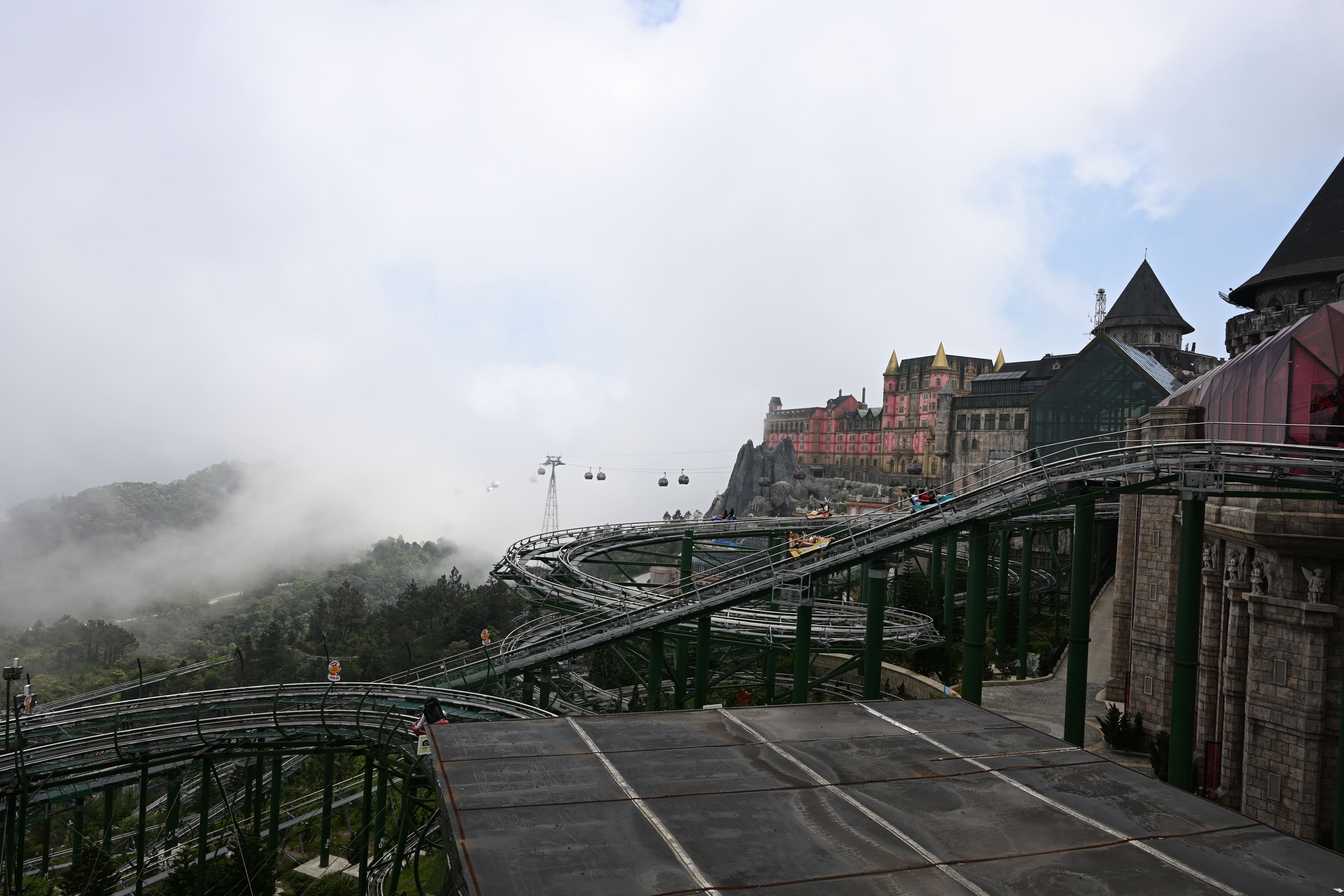
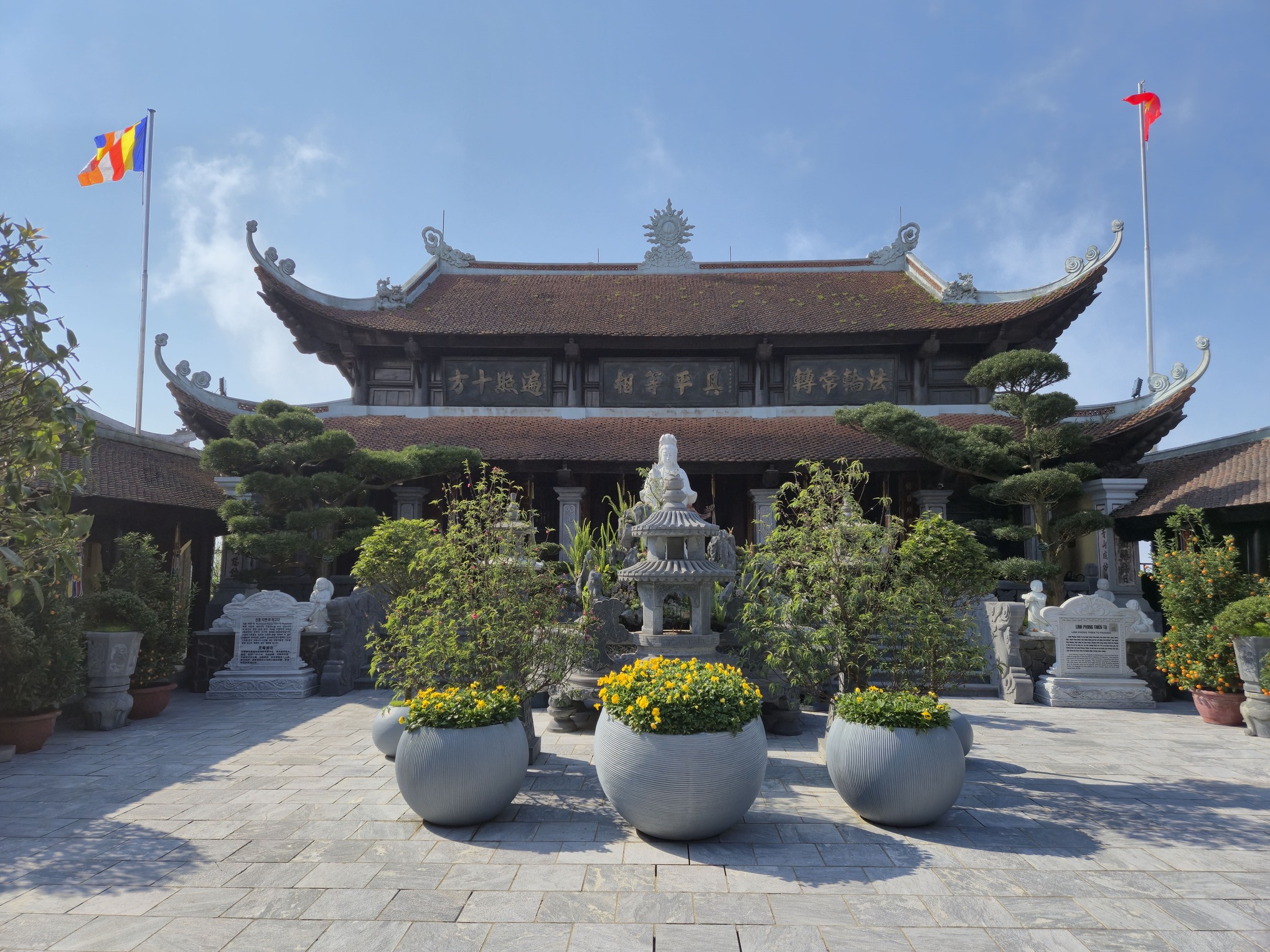
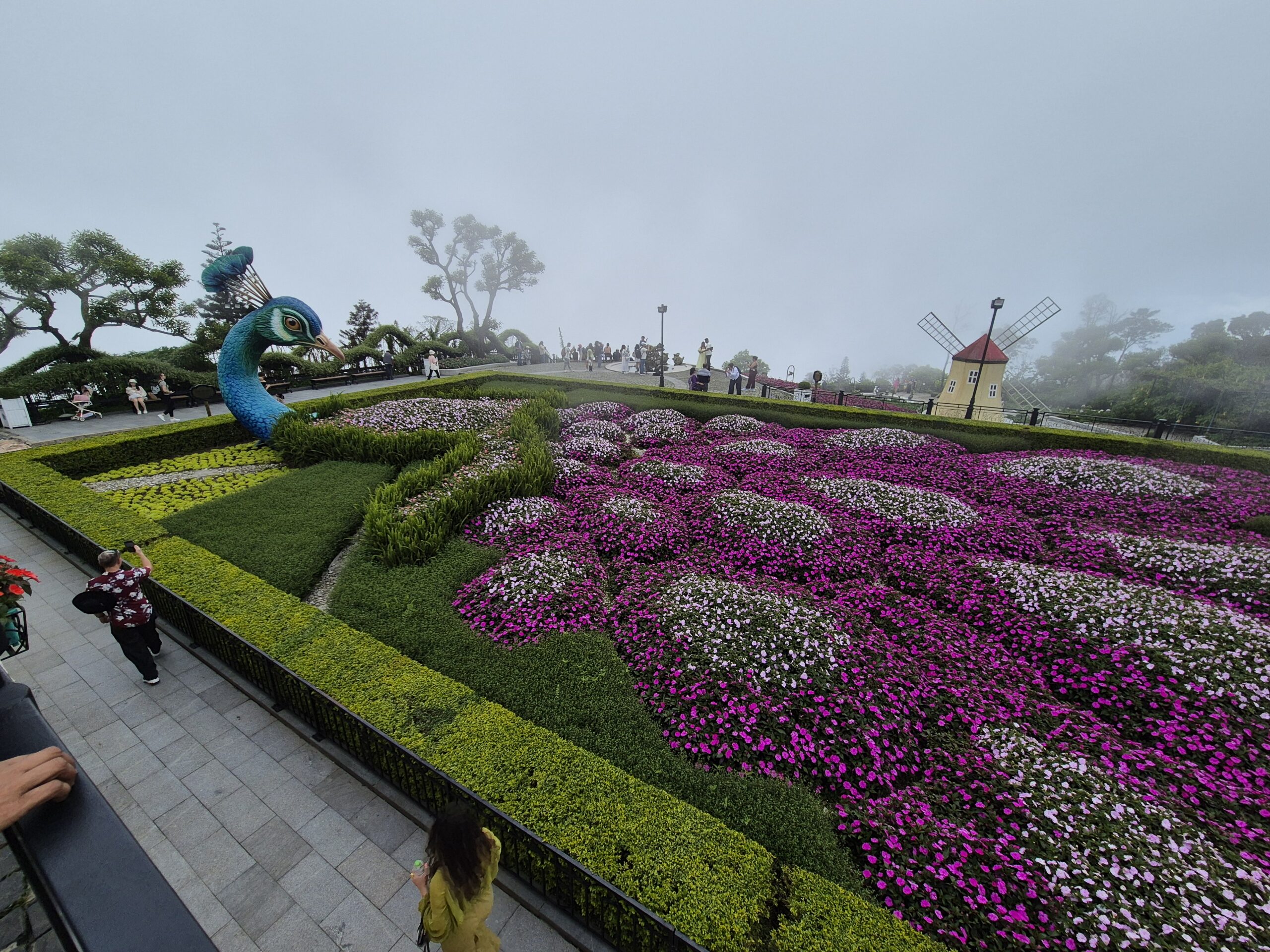
Ba Na Hills


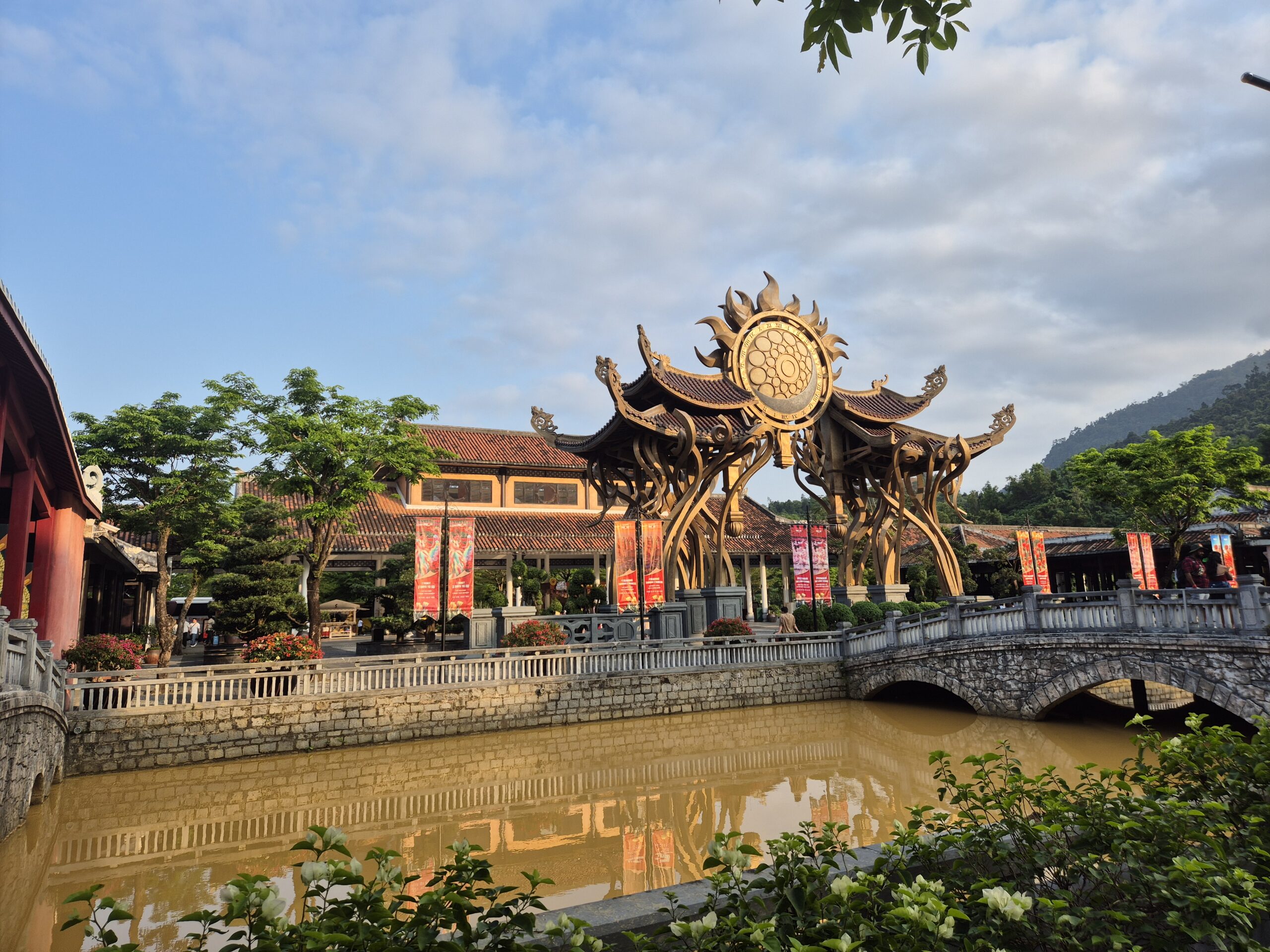
DAY - 6 : Hue
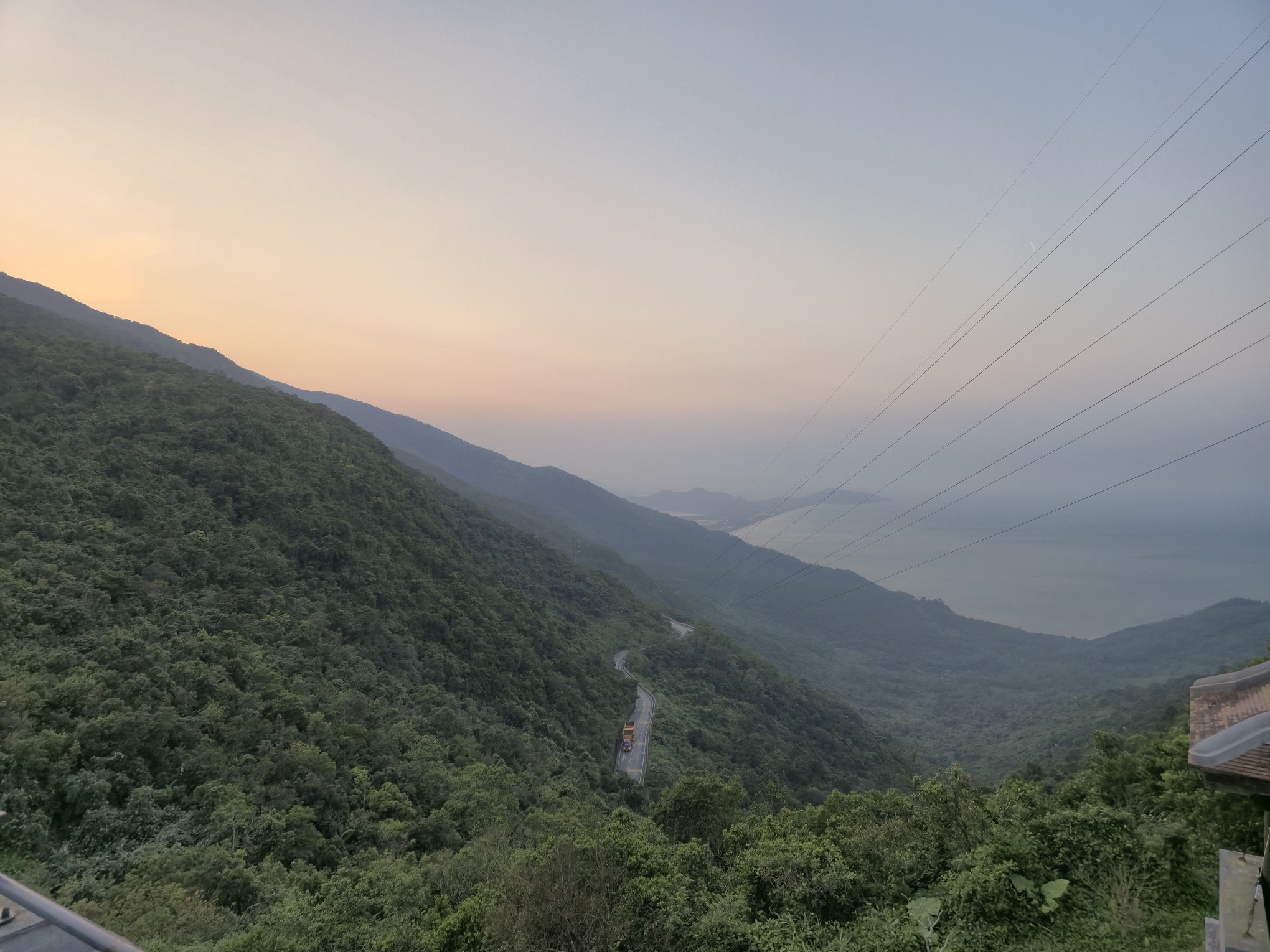
Truong Tien Bridge
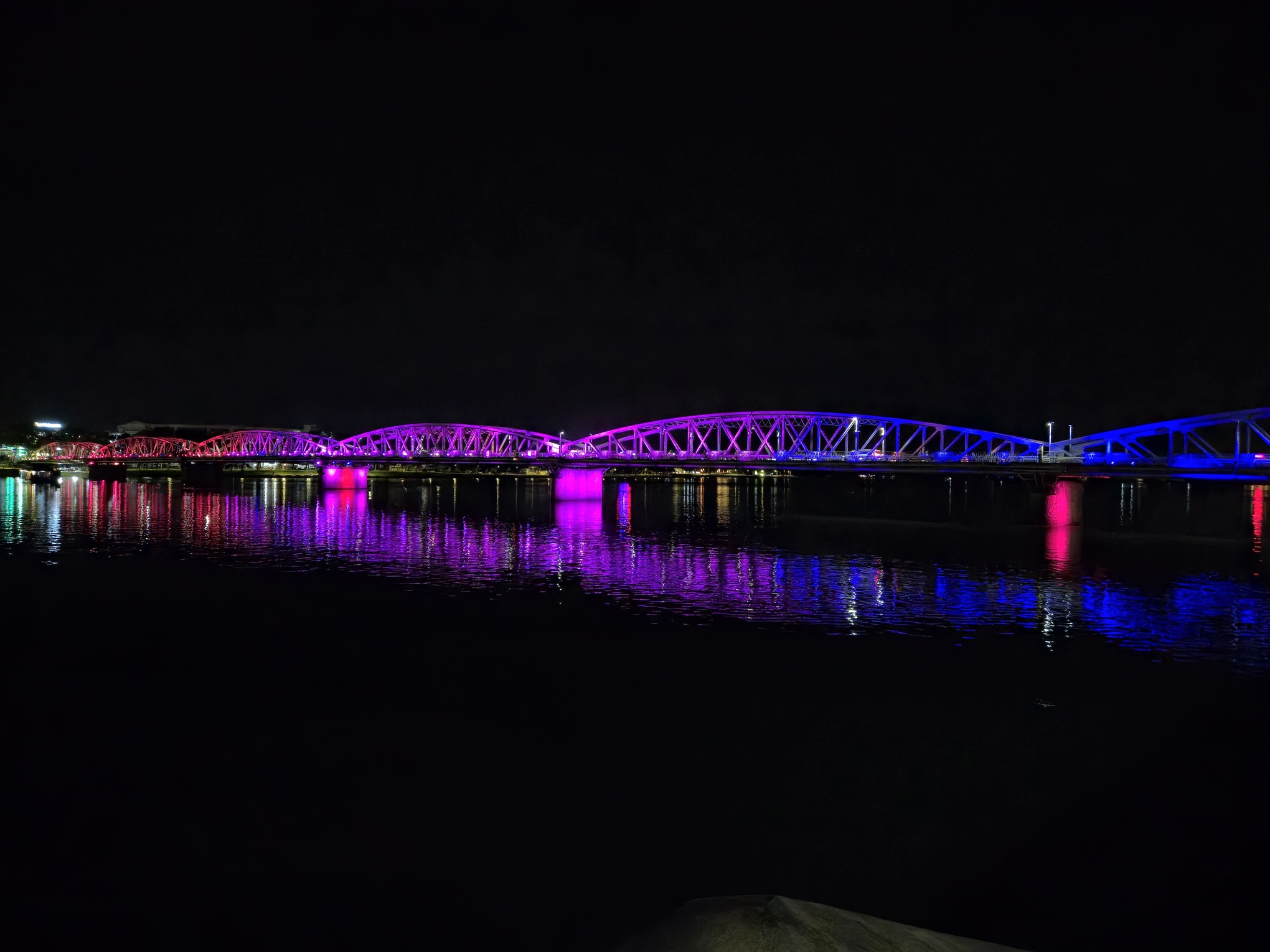
Hue Historic Citadel
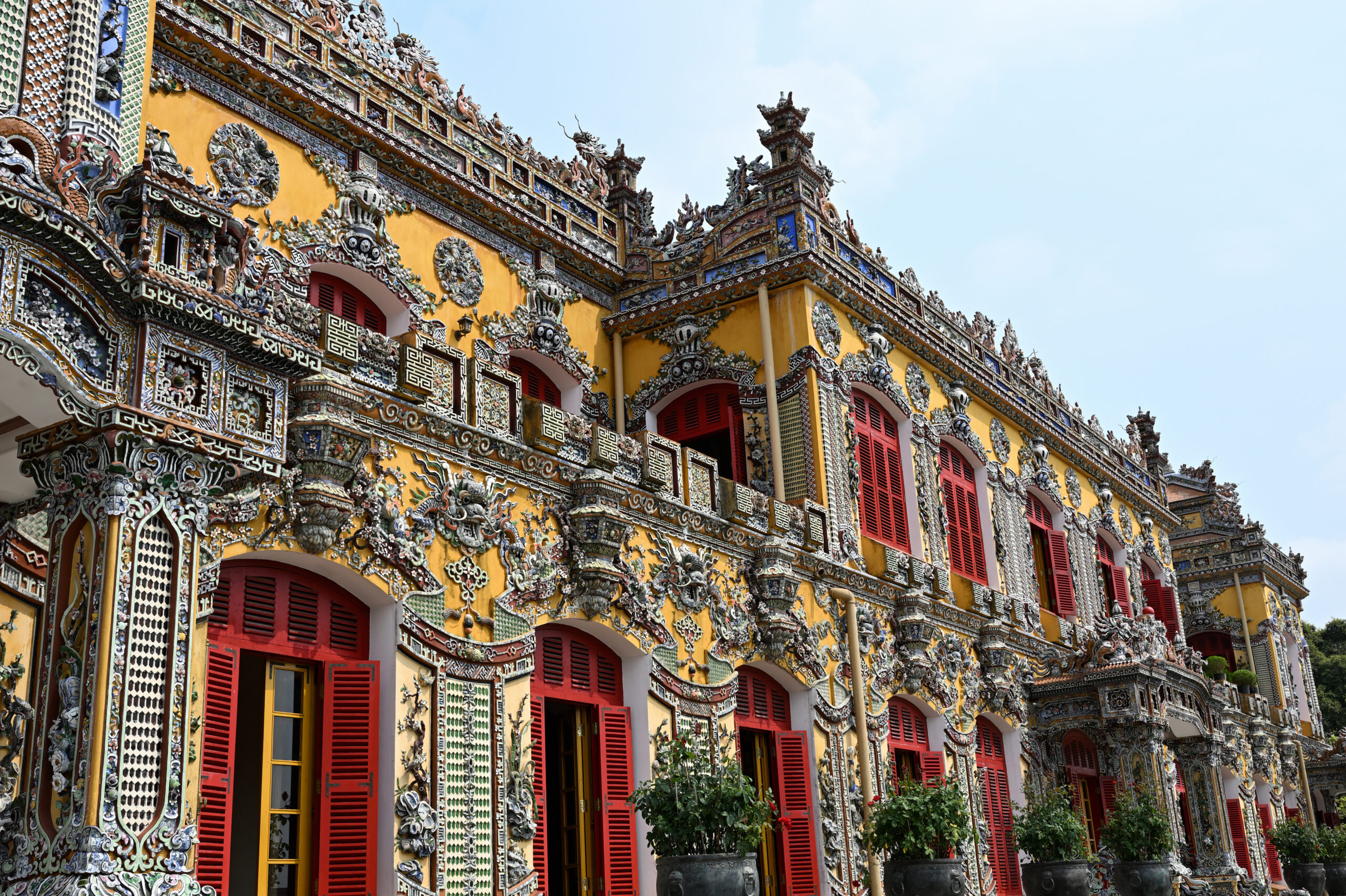
Thiên Mụ Pagoda
Thuy Xuan Incense-making Village
Mausoleum of Emperor Tu Duc
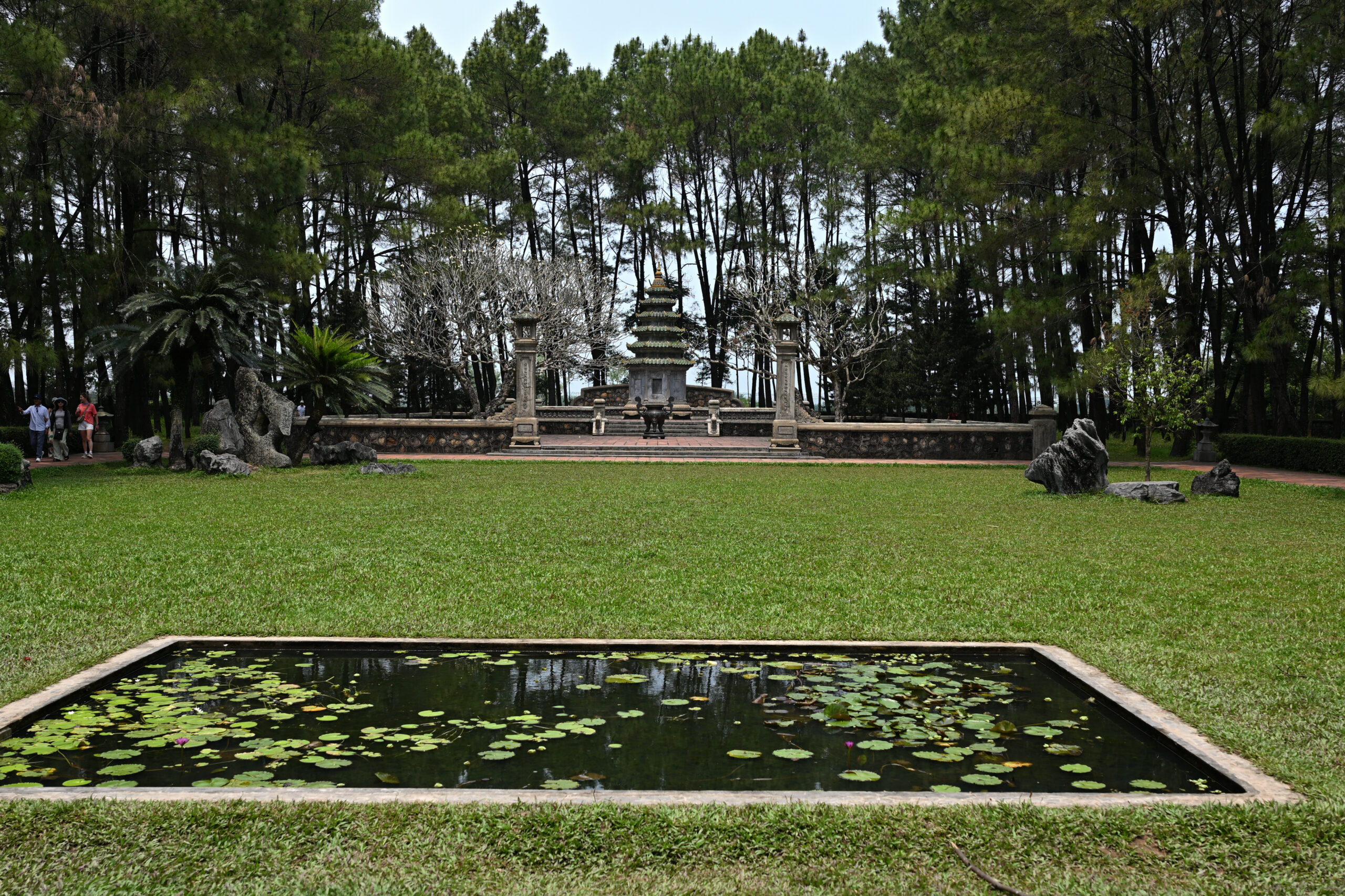
This is one of the most atmospheric royal tombs in Hue, Vietnam. Unlike many grand monuments built solely to display imperial power, Tự Đức’s tomb feels deeply personal—a peaceful retreat designed by an emperor who sought a place where he could escape the pressures of royal life. The complex is spread across a large area and includes pavilions, courtyards, temples, lakes, and gardens. One of the first sights to capture my attention was Lưu Khiêm Lake, a beautiful body of water surrounded by trees and traditional architecture.
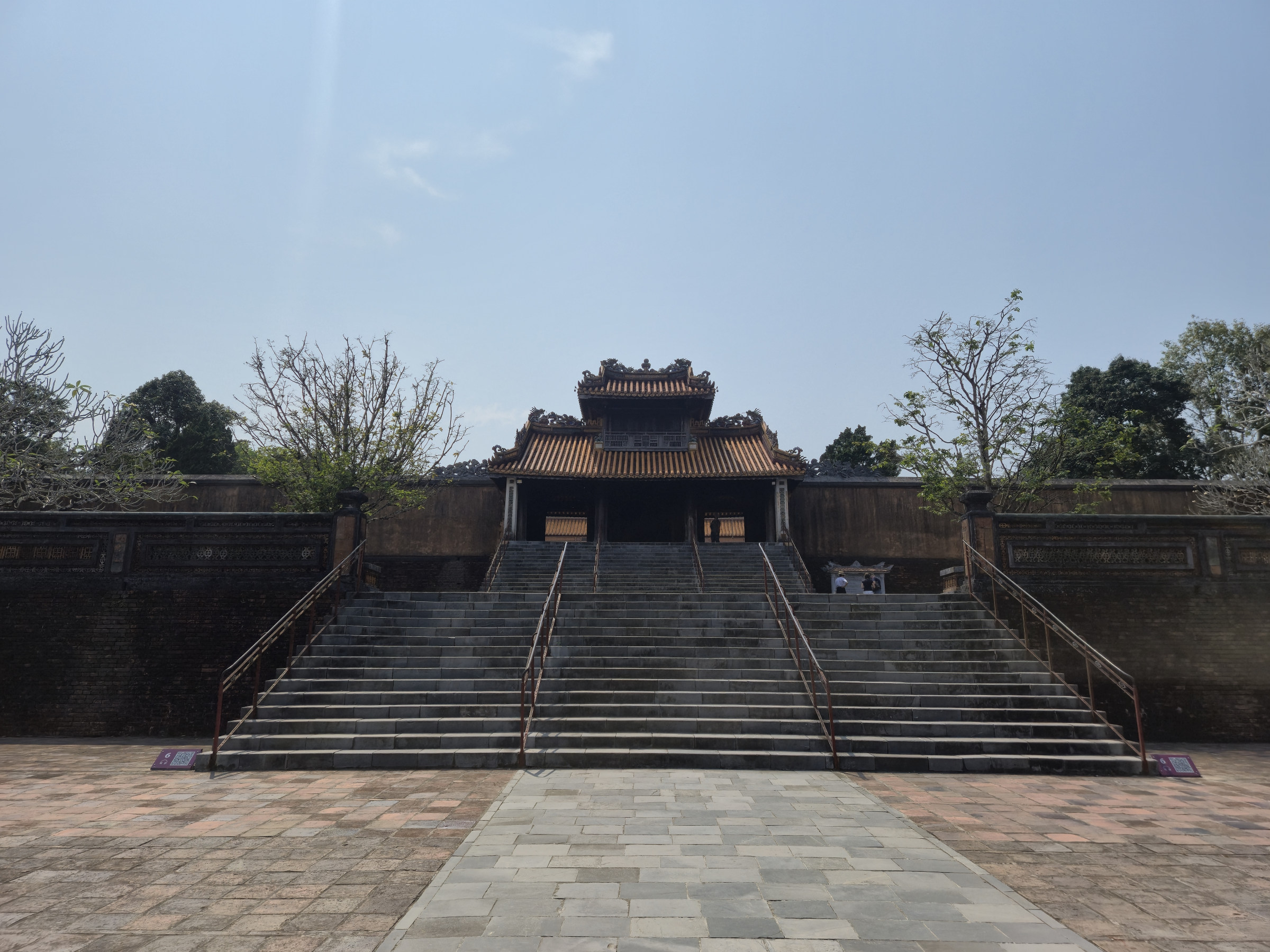
Further inside the complex is the actual tomb area, surrounded by traditional architecture and peaceful courtyards.Unlike some grand imperial monuments, the tomb itself is relatively understated. This reinforces the feeling that Tự Đức's mausoleum was designed as a place of contemplation rather than simply a monument to power.
Mausoleum of Emperor Khai Dinh
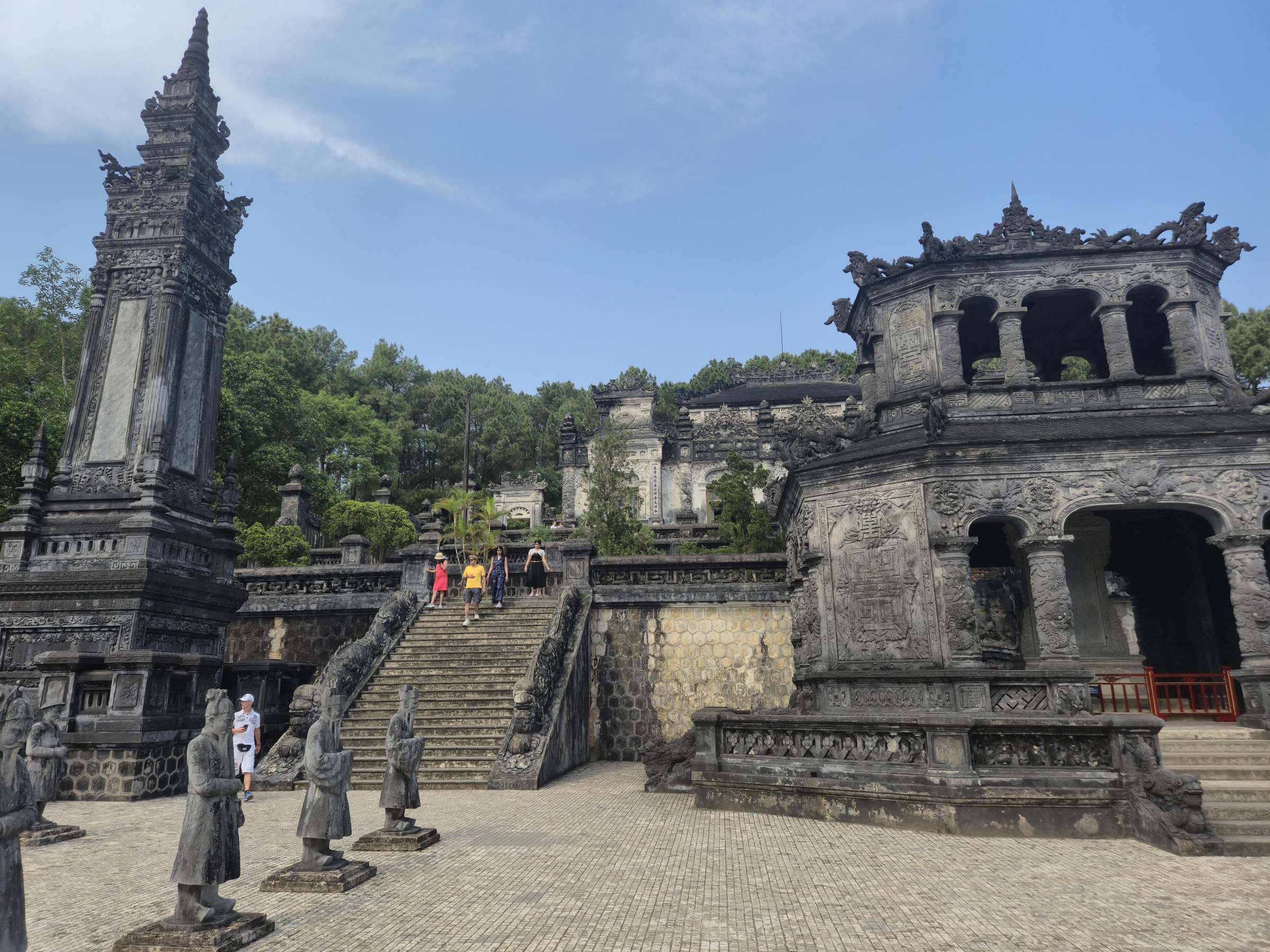
On a hillside in the quiet countryside outside Hue, the Mausoleum of Emperor Khải Định is unlike any other royal tomb in Vietnam. While the mausoleums of earlier Nguyễn emperors are surrounded by expansive gardens, lakes, and traditional Vietnamese architecture, Khải Định's tomb is compact, ornate, and strikingly European in its appearance.
The journey begins with a long flight of stone steps leading towards the heart of the complex.The staircase itself is a work of art. Elaborate dragon sculptures appear along the balustrades, while stone statues stand guard along the route.Traditional Vietnamese and East Asian elements are combined with influences from French, Roman, Gothic, and other European architectural traditions. Concrete, arches, columns, and elaborate decorative details give the monument a distinctly different character from the other royal tombs of Hue.
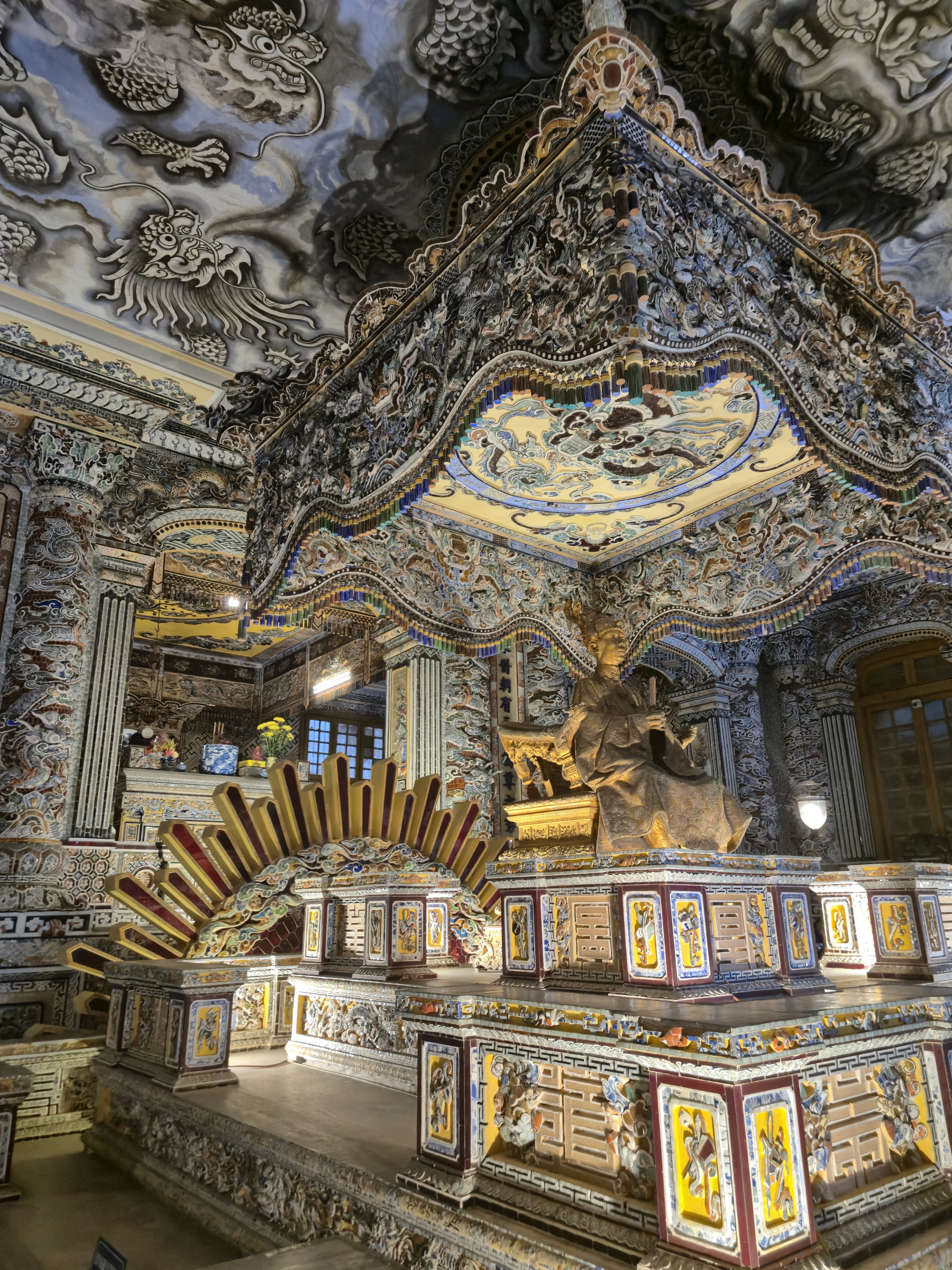
The real highlight of the visit comes when you enter Thiên Định Cung, the main palace and burial chamber. From the outside, the building is already impressive, but the interior is where the mausoleum truly comes alive.The walls and ceilings are covered with incredibly detailed decorations, including dragons, clouds, flowers, and traditional motifs. Thousands of pieces of ceramic and glass mosaic were carefully arranged to create elaborate patterns and scenes. The colours, intricate details, and three-dimensional designs make the interior feel almost jewel-like. Small pieces of coloured ceramics and glass form elaborate images that demonstrate the extraordinary skill of the artisans who worked on the monument.
The ceiling of the main chamber, decorated with a magnificent nine-dragon composition.The dragons appear to move through clouds across the ceiling, creating a sense of movement and energy.Standing beneath it and looking upward, it is easy to understand why this is considered one of the artistic highlights of the imperial tombs of Hue.
Perfume River
The Perfume River is more than just a beautiful waterway—it is the soul of the city. Winding past ancient palaces, historic monuments, temples, gardens, and bustling streets, the river has shaped the identity of Hue for centuries.After exploring the imperial monuments and royal tombs, spending time beside the Perfume River offered a completely different experience. Here, Hue seemed to slow down. The noise of the city faded, boats moved gently across the water, and the changing light transformed the river throughout the day. As it passes through Hue, it creates a natural division between different parts of the city while connecting many of its most important landmarks. Walking beside the river with the morning light reflecting on the water gives a wonderful first impression of Hue—a city that feels historic without being frozen in the past.
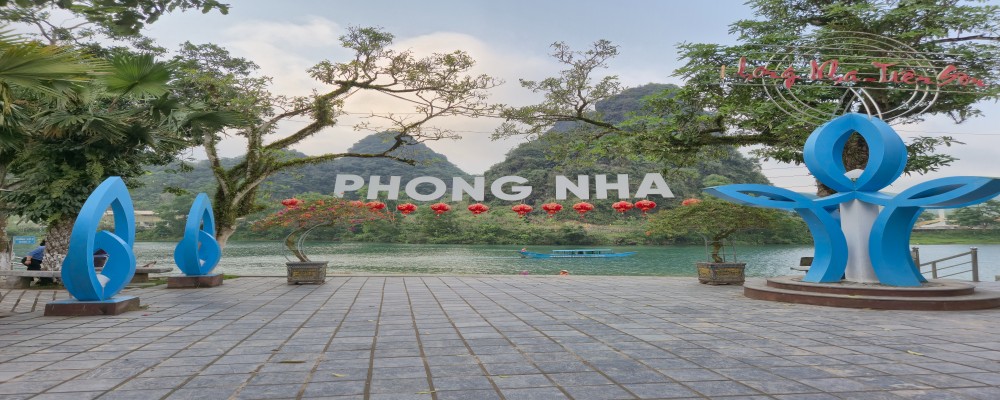
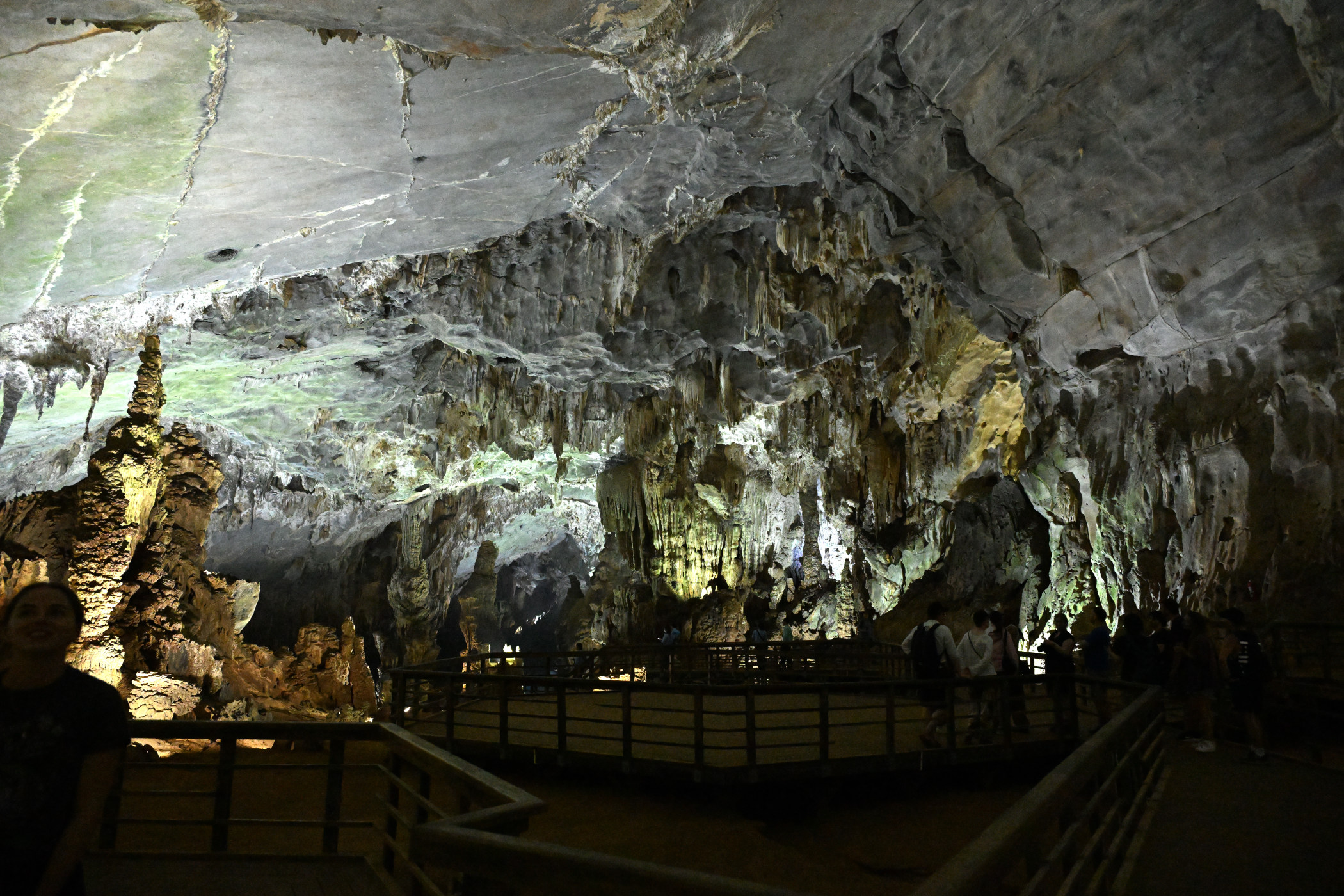
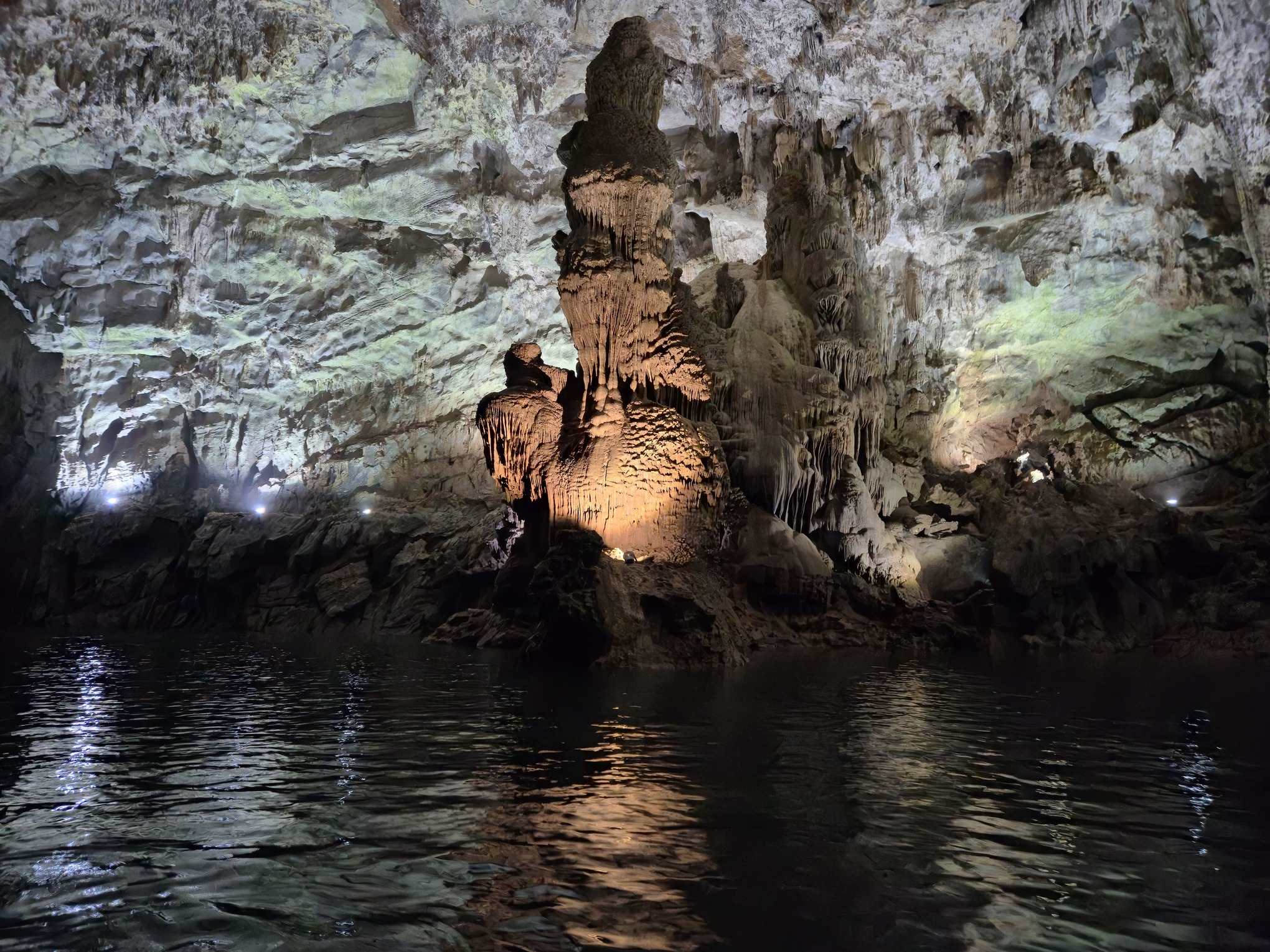
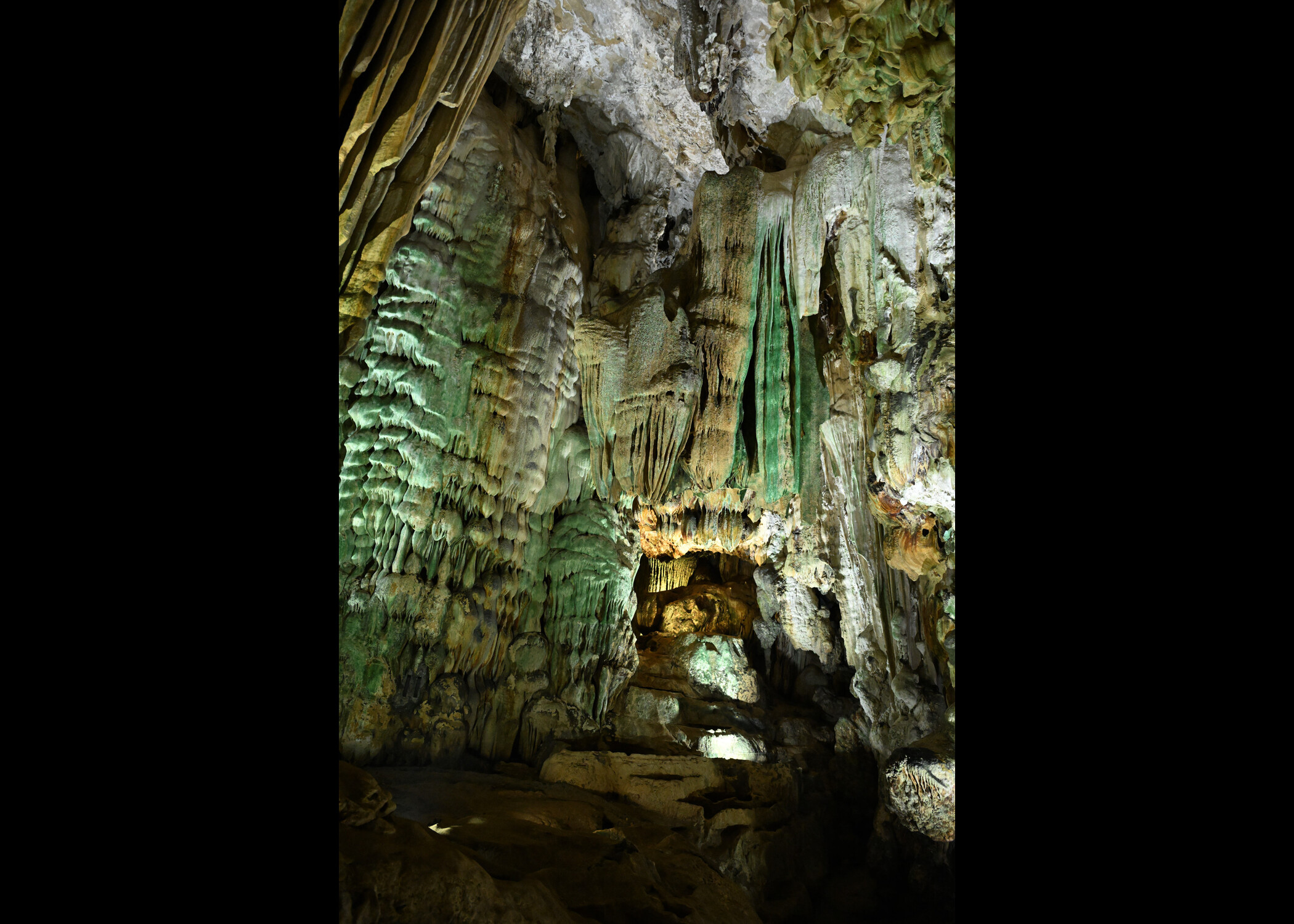
DAY - 7 : Phong Nha Caves
After spending the day exploring the landscapes and attractions of Ba Na Hills, it was time to head towards my next destination—the historic city of Hue. Instead of rushing back to Da Nang, suggest you book a cab directly from Ba Na Hills. The journey to Hue takes around two hours and is one of the most scenic road trips in central Vietnam.As the road winds its way along the coastline and through the mountains, the changing landscapes make every kilometre a visual delight. Dense green hills, glimpses of the sparkling East Sea, and charming fishing villages accompany the drive, making it well worth keeping your camera within easy reach.A stop at the legendary Hai Van Pass is an absolute must. Often regarded as one of the most beautiful coastal mountain roads in the world, the pass offers breathtaking panoramic views where towering mountains meet the endless blue sea. Standing at the viewpoint, with cool mountain breezes and clouds drifting across the peaks, it is easy to understand why this route has become one of Vietnam's most iconic drives.I spent some time soaking in the scenery, capturing photographs, and simply enjoying the peaceful atmosphere before continuing the journey. Whether you're a photography enthusiast or someone who simply appreciates nature, Hai Van Pass is a destination in itself rather than just a stop along the way. I reached my pre-booked hotel late in the evening, checked in, and relaxed after an eventful day filled with mountain adventures and unforgettable landscapes.
After spending the day exploring the landscapes and attractions of Ba Na Hills, it was time to head towards my next destination—the historic city of Hue. Instead of rushing back to Da Nang, suggest you book a cab directly from Ba Na Hills. The journey to Hue takes around two hours and is one of the most scenic road trips in central Vietnam.As the road winds its way along the coastline and through the mountains, the changing landscapes make every kilometre a visual delight. Dense green hills, glimpses of the sparkling East Sea, and charming fishing villages accompany the drive, making it well worth keeping your camera within easy reach.A stop at the legendary Hai Van Pass is an absolute must. Often regarded as one of the most beautiful coastal mountain roads in the world, the pass offers breathtaking panoramic views where towering mountains meet the endless blue sea. Standing at the viewpoint, with cool mountain breezes and clouds drifting across the peaks, it is easy to understand why this route has become one of Vietnam's most iconic drives.I spent some time soaking in the scenery, capturing photographs, and simply enjoying the peaceful atmosphere before continuing the journey. Whether you're a photography enthusiast or someone who simply appreciates nature, Hai Van Pass is a destination in itself rather than just a stop along the way. I reached my pre-booked hotel late in the evening, checked in, and relaxed after an eventful day filled with mountain adventures and unforgettable landscapes.
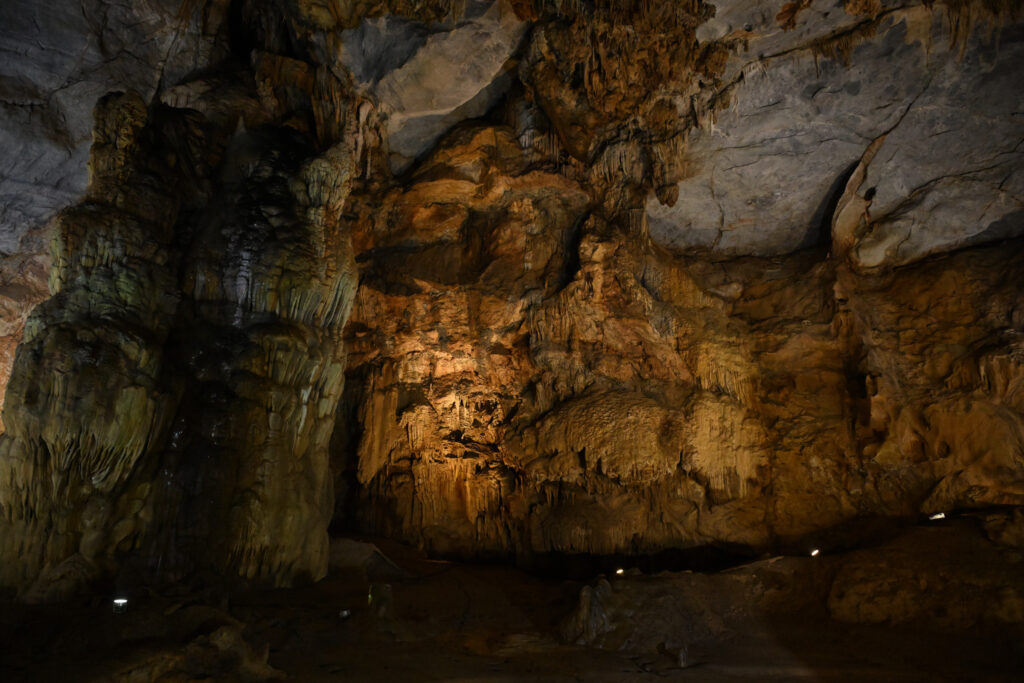
After spending the day exploring the landscapes and attractions of Ba Na Hills, it was time to head towards my next destination—the historic city of Hue. Instead of rushing back to Da Nang, suggest you book a cab directly from Ba Na Hills. The journey to Hue takes around two hours and is one of the most scenic road trips in central Vietnam.As the road winds its way along the coastline and through the mountains, the changing landscapes make every kilometre a visual delight. Dense green hills, glimpses of the sparkling East Sea, and charming fishing villages accompany the drive, making it well worth keeping your camera within easy reach.A stop at the legendary Hai Van Pass is an absolute must. Often regarded as one of the most beautiful coastal mountain roads in the world, the pass offers breathtaking panoramic views where towering mountains meet the endless blue sea. Standing at the viewpoint, with cool mountain breezes and clouds drifting across the peaks, it is easy to understand why this route has become one of Vietnam's most iconic drives.I spent some time soaking in the scenery, capturing photographs, and simply enjoying the peaceful atmosphere before continuing the journey. Whether you're a photography enthusiast or someone who simply appreciates nature, Hai Van Pass is a destination in itself rather than just a stop along the way. I reached my pre-booked hotel late in the evening, checked in, and relaxed after an eventful day filled with mountain adventures and unforgettable landscapes.
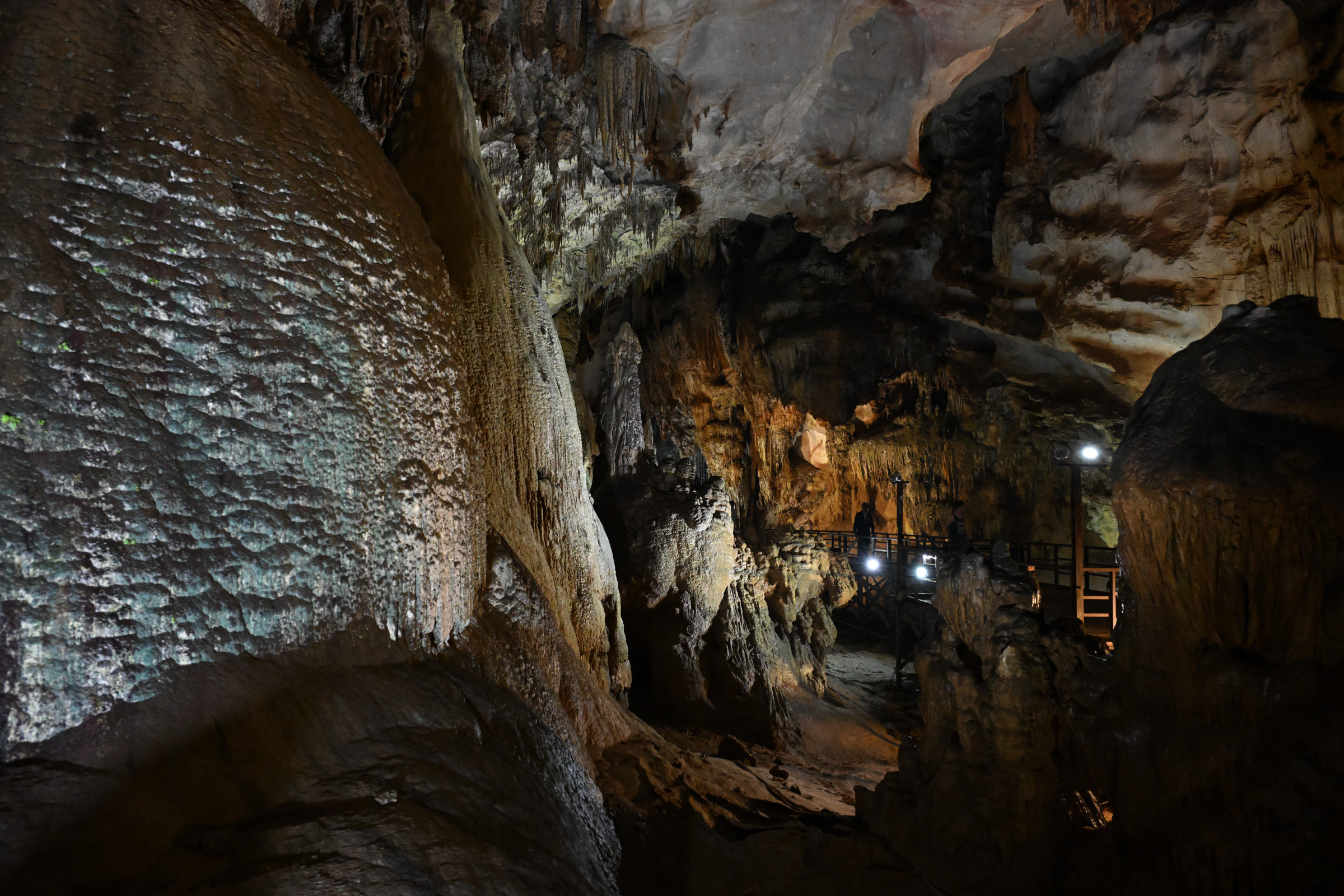
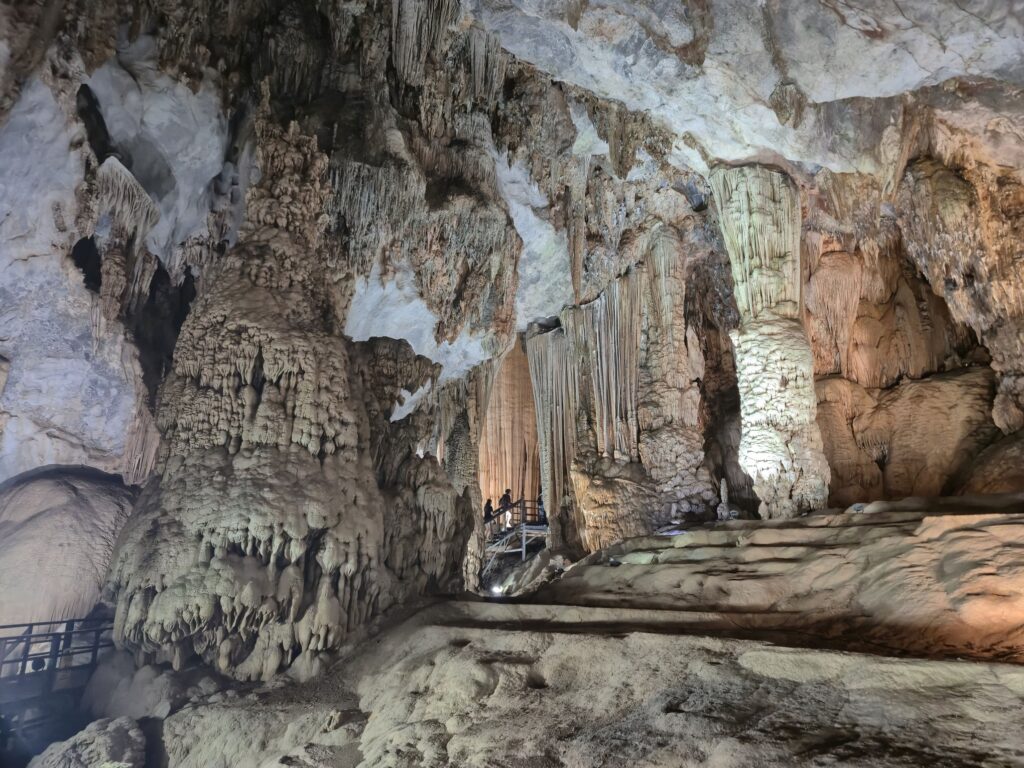
Ke Bang National Park
After spending the day exploring the landscapes and attractions of Ba Na Hills, it was time to head towards my next destination—the historic city of Hue. Instead of rushing back to Da Nang, suggest you book a cab directly from Ba Na Hills. The journey to Hue takes around two hours and is one of the most scenic road trips in central Vietnam.As the road winds its way along the coastline and through the mountains, the changing landscapes make every kilometre a visual delight. Dense green hills, glimpses of the sparkling East Sea, and charming fishing villages accompany the drive, making it well worth keeping your camera within easy reach.A stop at the legendary Hai Van Pass is an absolute must. Often regarded as one of the most beautiful coastal mountain roads in the world, the pass offers breathtaking panoramic views where towering mountains meet the endless blue sea. Standing at the viewpoint, with cool mountain breezes and clouds drifting across the peaks, it is easy to understand why this route has become one of Vietnam's most iconic drives.I spent some time soaking in the scenery, capturing photographs, and simply enjoying the peaceful atmosphere before continuing the journey. Whether you're a photography enthusiast or someone who simply appreciates nature, Hai Van Pass is a destination in itself rather than just a stop along the way. I reached my pre-booked hotel late in the evening, checked in, and relaxed after an eventful day filled with mountain adventures and unforgettable landscapes.
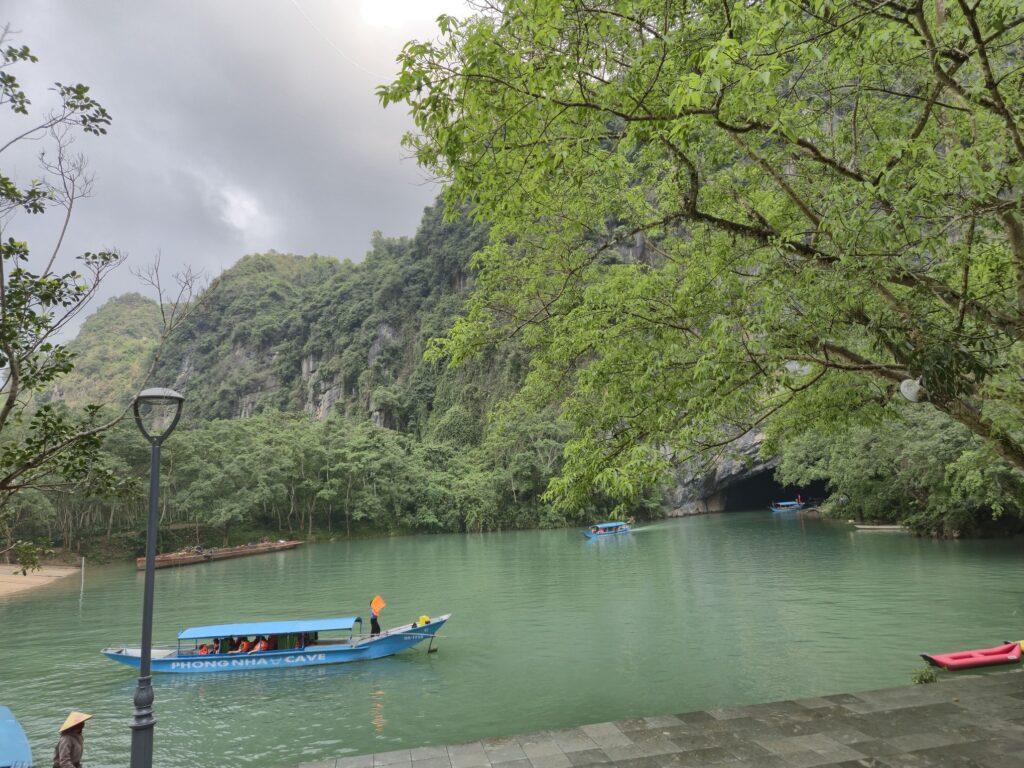
After spending the day exploring the landscapes and attractions of Ba Na Hills, it was time to head towards my next destination—the historic city of Hue. Instead of rushing back to Da Nang, suggest you book a cab directly from Ba Na Hills. The journey to Hue takes around two hours and is one of the most scenic road trips in central Vietnam.As the road winds its way along the coastline and through the mountains, the changing landscapes make every kilometre a visual delight. Dense green hills, glimpses of the sparkling East Sea, and charming fishing villages accompany the drive, making it well worth keeping your camera within easy reach.A stop at the legendary Hai Van Pass is an absolute must. Often regarded as one of the most beautiful coastal mountain roads in the world, the pass offers breathtaking panoramic views where towering mountains meet the endless blue sea. Standing at the viewpoint, with cool mountain breezes and clouds drifting across the peaks, it is easy to understand why this route has become one of Vietnam's most iconic drives.I spent some time soaking in the scenery, capturing photographs, and simply enjoying the peaceful atmosphere before continuing the journey. Whether you're a photography enthusiast or someone who simply appreciates nature, Hai Van Pass is a destination in itself rather than just a stop along the way. I reached my pre-booked hotel late in the evening, checked in, and relaxed after an eventful day filled with mountain adventures and unforgettable landscapes.
DAY - 8 : Hanoi
After spending the day exploring the landscapes and attractions of Ba Na Hills, it was time to head towards my next destination—the historic city of Hue. Instead of rushing back to Da Nang, suggest you book a cab directly from Ba Na Hills. The journey to Hue takes around two hours and is one of the most scenic road trips in central Vietnam.As the road winds its way along the coastline and through the mountains, the changing landscapes make every kilometre a visual delight. Dense green hills, glimpses of the sparkling East Sea, and charming fishing villages accompany the drive, making it well worth keeping your camera within easy reach.A stop at the legendary Hai Van Pass is an absolute must. Often regarded as one of the most beautiful coastal mountain roads in the world, the pass offers breathtaking panoramic views where towering mountains meet the endless blue sea. Standing at the viewpoint, with cool mountain breezes and clouds drifting across the peaks, it is easy to understand why this route has become one of Vietnam's most iconic drives.I spent some time soaking in the scenery, capturing photographs, and simply enjoying the peaceful atmosphere before continuing the journey. Whether you're a photography enthusiast or someone who simply appreciates nature, Hai Van Pass is a destination in itself rather than just a stop along the way. I reached my pre-booked hotel late in the evening, checked in, and relaxed after an eventful day filled with mountain adventures and unforgettable landscapes.
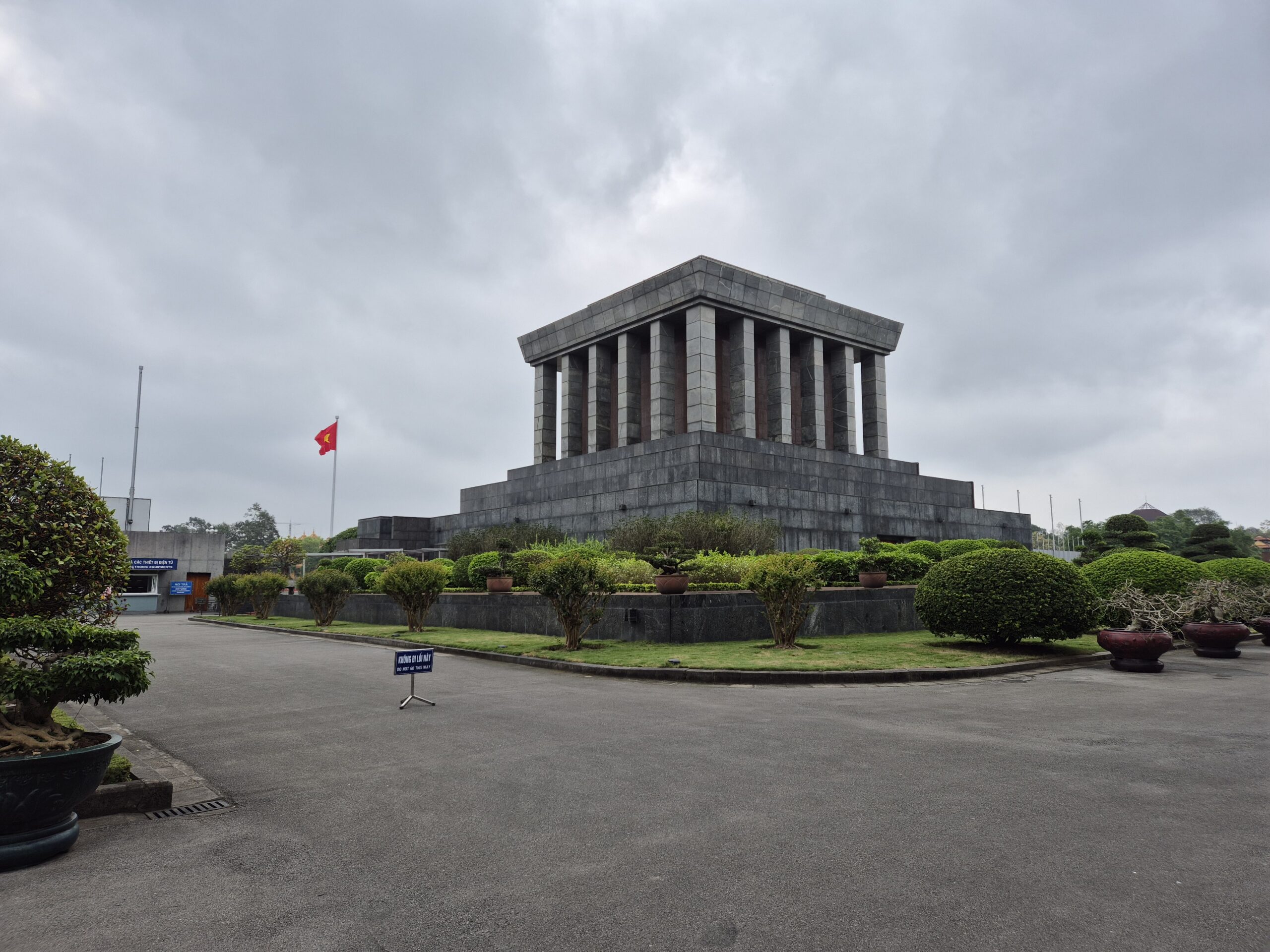
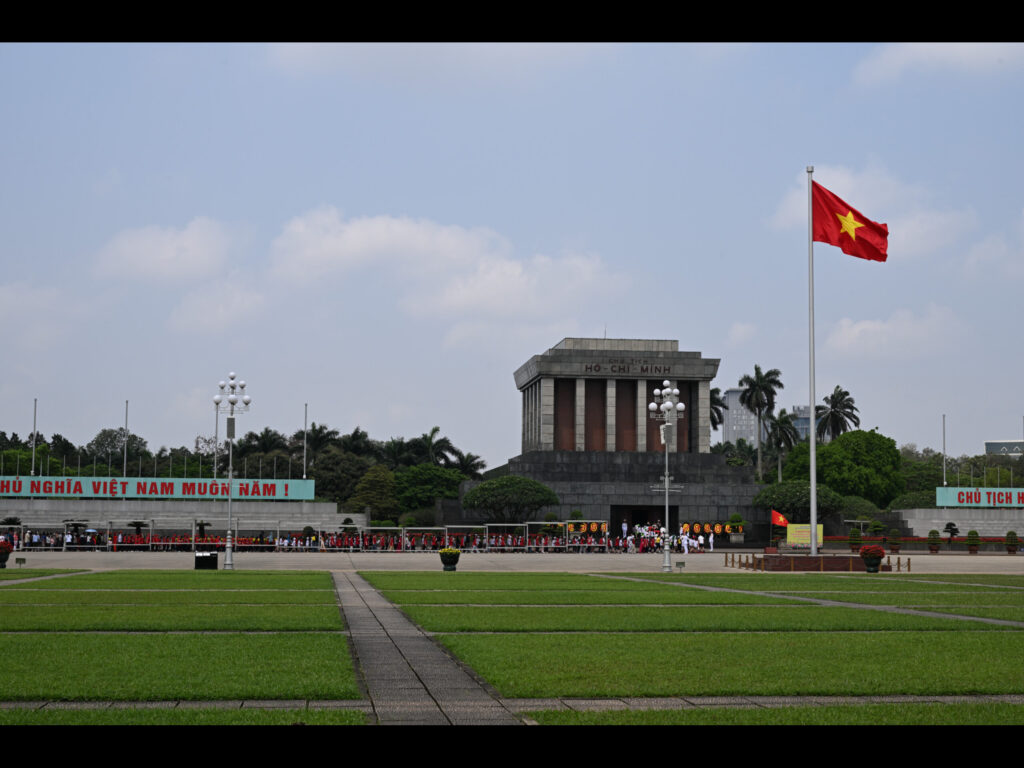
DAY - 8 : Hanoi
After spending the day exploring the landscapes and attractions of Ba Na Hills, it was time to head towards my next destination—the historic city of Hue. Instead of rushing back to Da Nang, suggest you book a cab directly from Ba Na Hills. The journey to Hue takes around two hours and is one of the most scenic road trips in central Vietnam.As the road winds its way along the coastline and through the mountains, the changing landscapes make every kilometre a visual delight. Dense green hills, glimpses of the sparkling East Sea, and charming fishing villages accompany the drive, making it well worth keeping your camera within easy reach.A stop at the legendary Hai Van Pass is an absolute must. Often regarded as one of the most beautiful coastal mountain roads in the world, the pass offers breathtaking panoramic views where towering mountains meet the endless blue sea. Standing at the viewpoint, with cool mountain breezes and clouds drifting across the peaks, it is easy to understand why this route has become one of Vietnam's most iconic drives.I spent some time soaking in the scenery, capturing photographs, and simply enjoying the peaceful atmosphere before continuing the journey. Whether you're a photography enthusiast or someone who simply appreciates nature, Hai Van Pass is a destination in itself rather than just a stop along the way. I reached my pre-booked hotel late in the evening, checked in, and relaxed after an eventful day filled with mountain adventures and unforgettable landscapes.
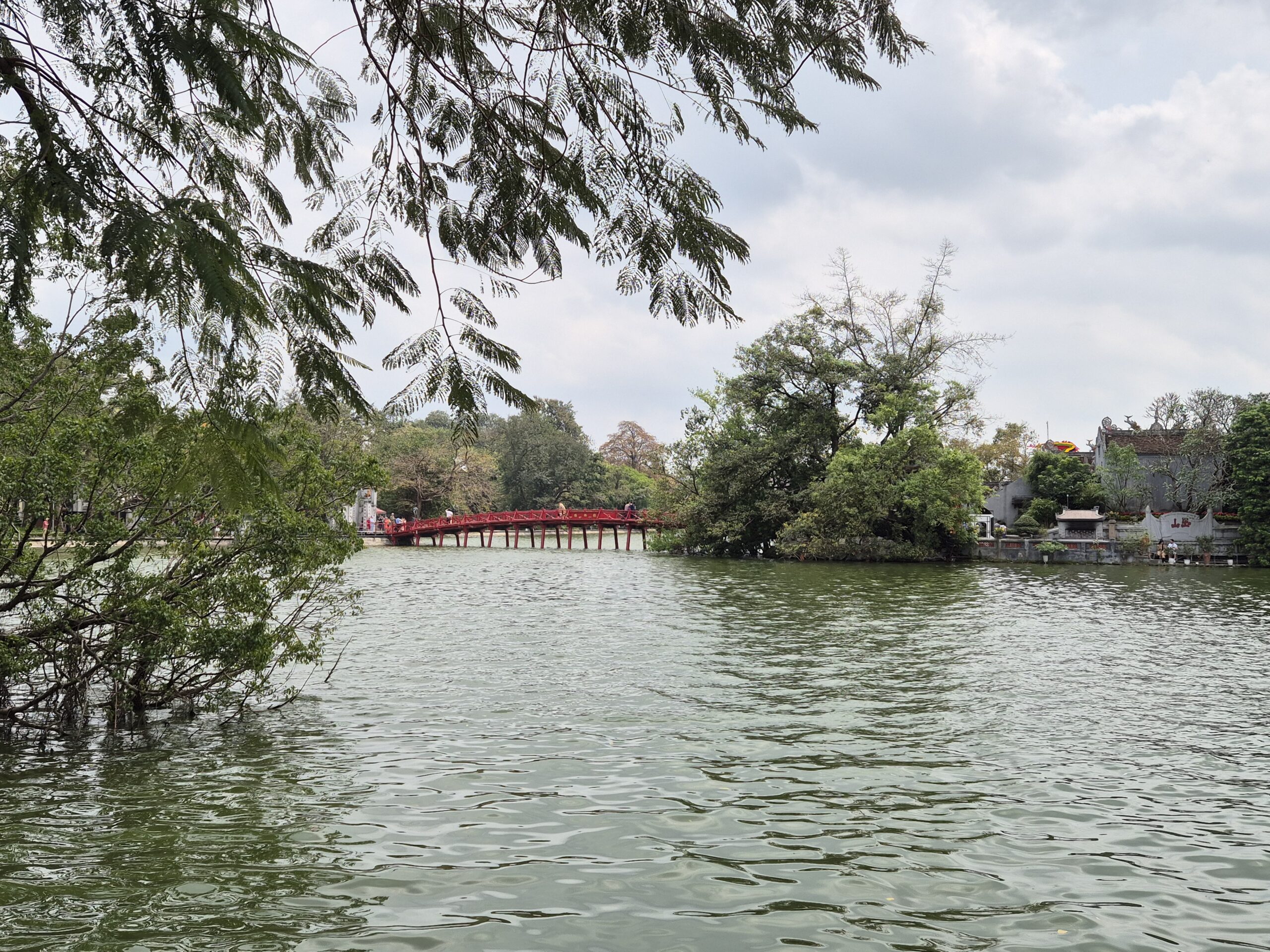
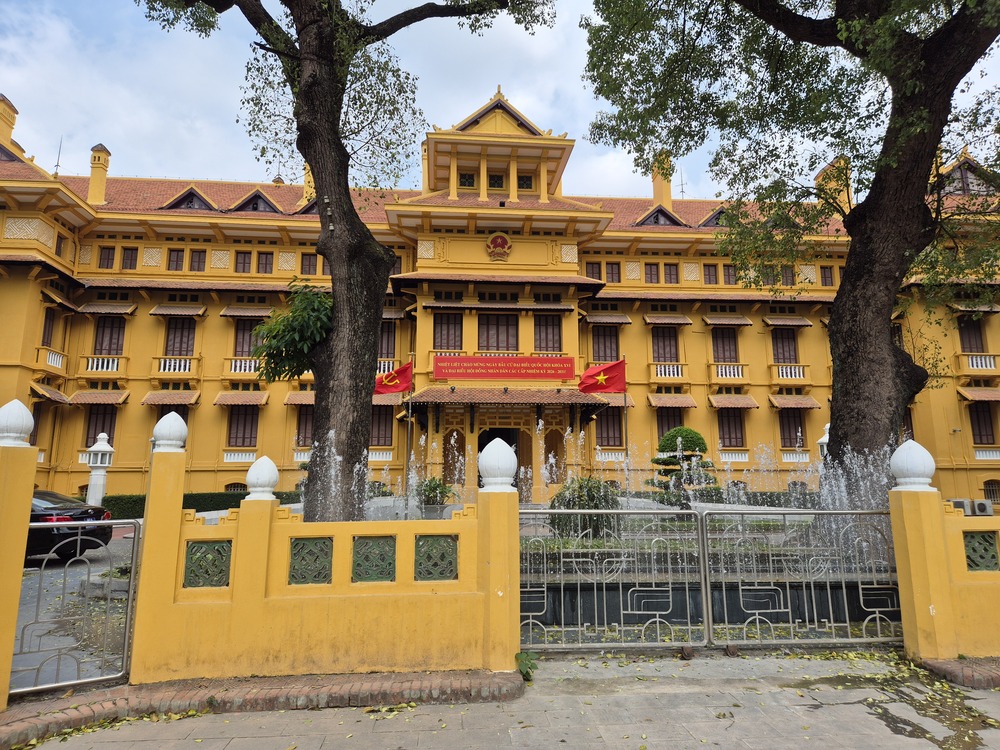
DAY - 9 : Sapa
After spending the day exploring the landscapes and attractions of Ba Na Hills, it was time to head towards my next destination—the historic city of Hue. Instead of rushing back to Da Nang, suggest you book a cab directly from Ba Na Hills. The journey to Hue takes around two hours and is one of the most scenic road trips in central Vietnam.As the road winds its way along the coastline and through the mountains, the changing landscapes make every kilometre a visual delight. Dense green hills, glimpses of the sparkling East Sea, and charming fishing villages accompany the drive, making it well worth keeping your camera within easy reach.A stop at the legendary Hai Van Pass is an absolute must. Often regarded as one of the most beautiful coastal mountain roads in the world, the pass offers breathtaking panoramic views where towering mountains meet the endless blue sea. Standing at the viewpoint, with cool mountain breezes and clouds drifting across the peaks, it is easy to understand why this route has become one of Vietnam's most iconic drives.I spent some time soaking in the scenery, capturing photographs, and simply enjoying the peaceful atmosphere before continuing the journey. Whether you're a photography enthusiast or someone who simply appreciates nature, Hai Van Pass is a destination in itself rather than just a stop along the way. I reached my pre-booked hotel late in the evening, checked in, and relaxed after an eventful day filled with mountain adventures and unforgettable landscapes.
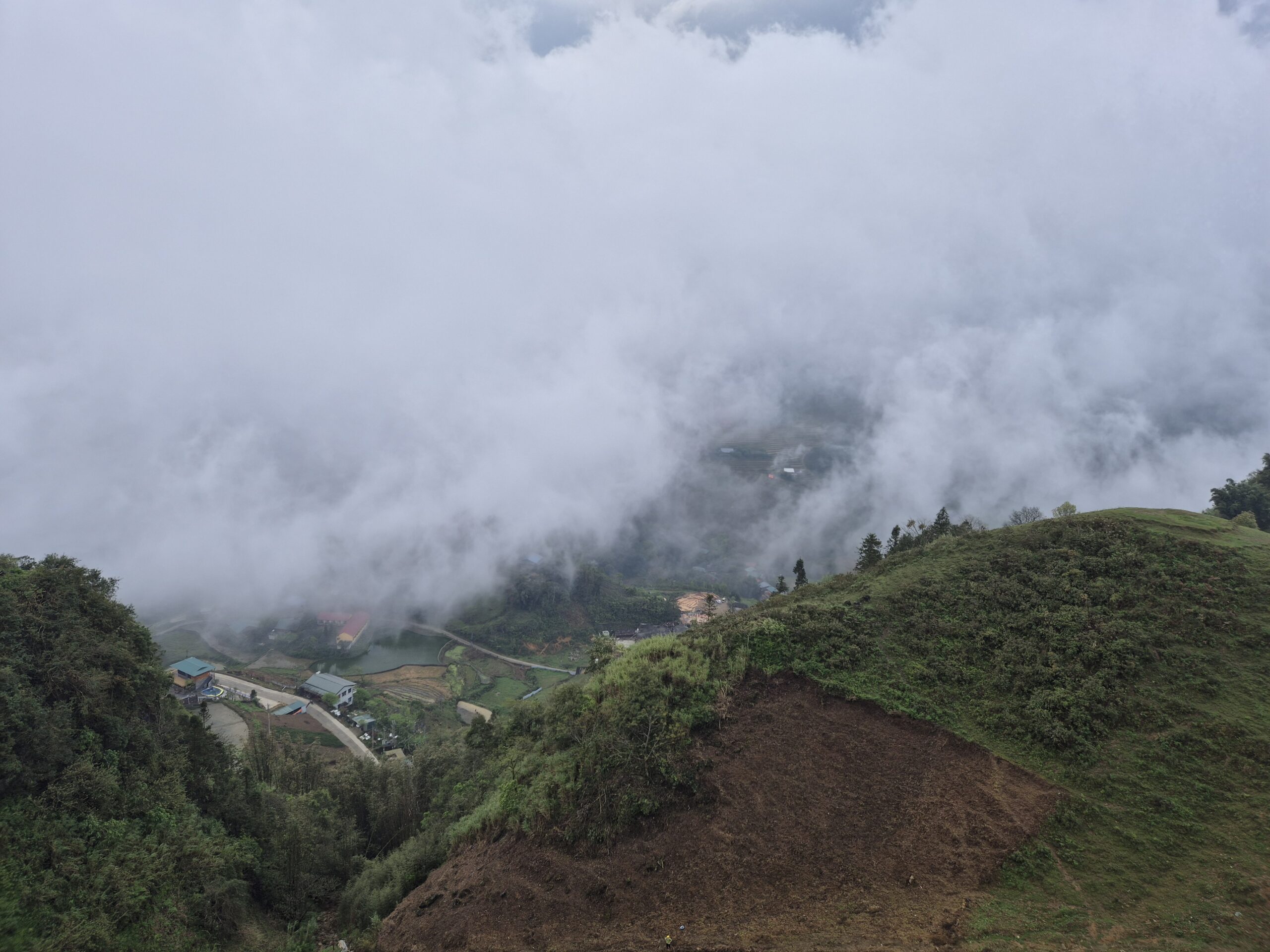
Fansipan
After spending the day exploring the landscapes and attractions of Ba Na Hills, it was time to head towards my next destination—the historic city of Hue. Instead of rushing back to Da Nang, suggest you book a cab directly from Ba Na Hills. The journey to Hue takes around two hours and is one of the most scenic road trips in central Vietnam.As the road winds its way along the coastline and through the mountains, the changing landscapes make every kilometre a visual delight. Dense green hills, glimpses of the sparkling East Sea, and charming fishing villages accompany the drive, making it well worth keeping your camera within easy reach.A stop at the legendary Hai Van Pass is an absolute must. Often regarded as one of the most beautiful coastal mountain roads in the world, the pass offers breathtaking panoramic views where towering mountains meet the endless blue sea. Standing at the viewpoint, with cool mountain breezes and clouds drifting across the peaks, it is easy to understand why this route has become one of Vietnam's most iconic drives.I spent some time soaking in the scenery, capturing photographs, and simply enjoying the peaceful atmosphere before continuing the journey. Whether you're a photography enthusiast or someone who simply appreciates nature, Hai Van Pass is a destination in itself rather than just a stop along the way. I reached my pre-booked hotel late in the evening, checked in, and relaxed after an eventful day filled with mountain adventures and unforgettable landscapes.
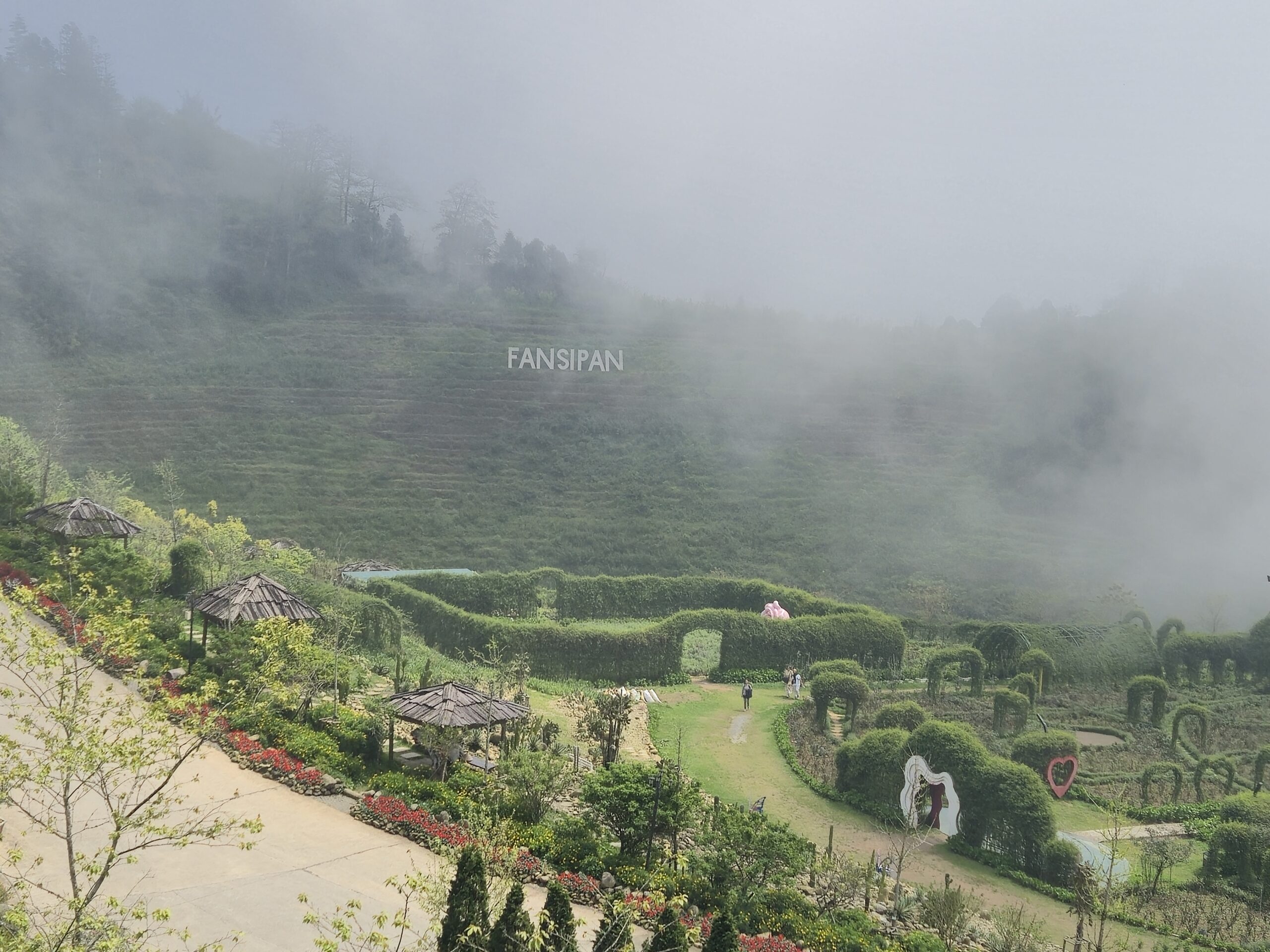
H'mong House
After spending the day exploring the landscapes and attractions of Ba Na Hills, it was time to head towards my next destination—the historic city of Hue. Instead of rushing back to Da Nang, suggest you book a cab directly from Ba Na Hills. The journey to Hue takes around two hours and is one of the most scenic road trips in central Vietnam.As the road winds its way along the coastline and through the mountains, the changing landscapes make every kilometre a visual delight. Dense green hills, glimpses of the sparkling East Sea, and charming fishing villages accompany the drive, making it well worth keeping your camera within easy reach.A stop at the legendary Hai Van Pass is an absolute must. Often regarded as one of the most beautiful coastal mountain roads in the world, the pass offers breathtaking panoramic views where towering mountains meet the endless blue sea. Standing at the viewpoint, with cool mountain breezes and clouds drifting across the peaks, it is easy to understand why this route has become one of Vietnam's most iconic drives.I spent some time soaking in the scenery, capturing photographs, and simply enjoying the peaceful atmosphere before continuing the journey. Whether you're a photography enthusiast or someone who simply appreciates nature, Hai Van Pass is a destination in itself rather than just a stop along the way. I reached my pre-booked hotel late in the evening, checked in, and relaxed after an eventful day filled with mountain adventures and unforgettable landscapes.
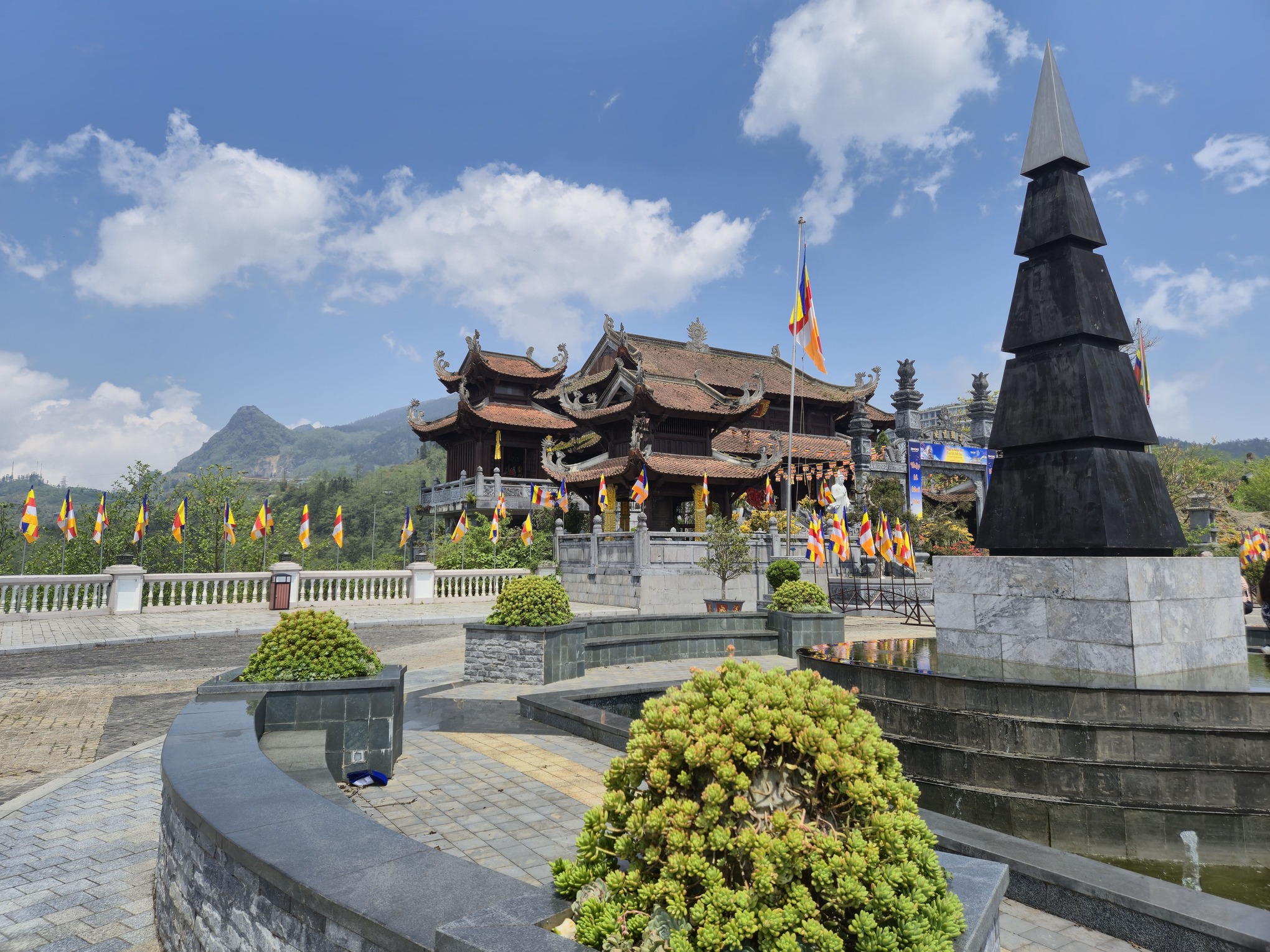
Vườn hồng
After spending the day exploring the landscapes and attractions of Ba Na Hills, it was time to head towards my next destination—the historic city of Hue. Instead of rushing back to Da Nang, suggest you book a cab directly from Ba Na Hills. The journey to Hue takes around two hours and is one of the most scenic road trips in central Vietnam.As the road winds its way along the coastline and through the mountains, the changing landscapes make every kilometre a visual delight. Dense green hills, glimpses of the sparkling East Sea, and charming fishing villages accompany the drive, making it well worth keeping your camera within easy reach.A stop at the legendary Hai Van Pass is an absolute must. Often regarded as one of the most beautiful coastal mountain roads in the world, the pass offers breathtaking panoramic views where towering mountains meet the endless blue sea. Standing at the viewpoint, with cool mountain breezes and clouds drifting across the peaks, it is easy to understand why this route has become one of Vietnam's most iconic drives.I spent some time soaking in the scenery, capturing photographs, and simply enjoying the peaceful atmosphere before continuing the journey. Whether you're a photography enthusiast or someone who simply appreciates nature, Hai Van Pass is a destination in itself rather than just a stop along the way. I reached my pre-booked hotel late in the evening, checked in, and relaxed after an eventful day filled with mountain adventures and unforgettable landscapes.
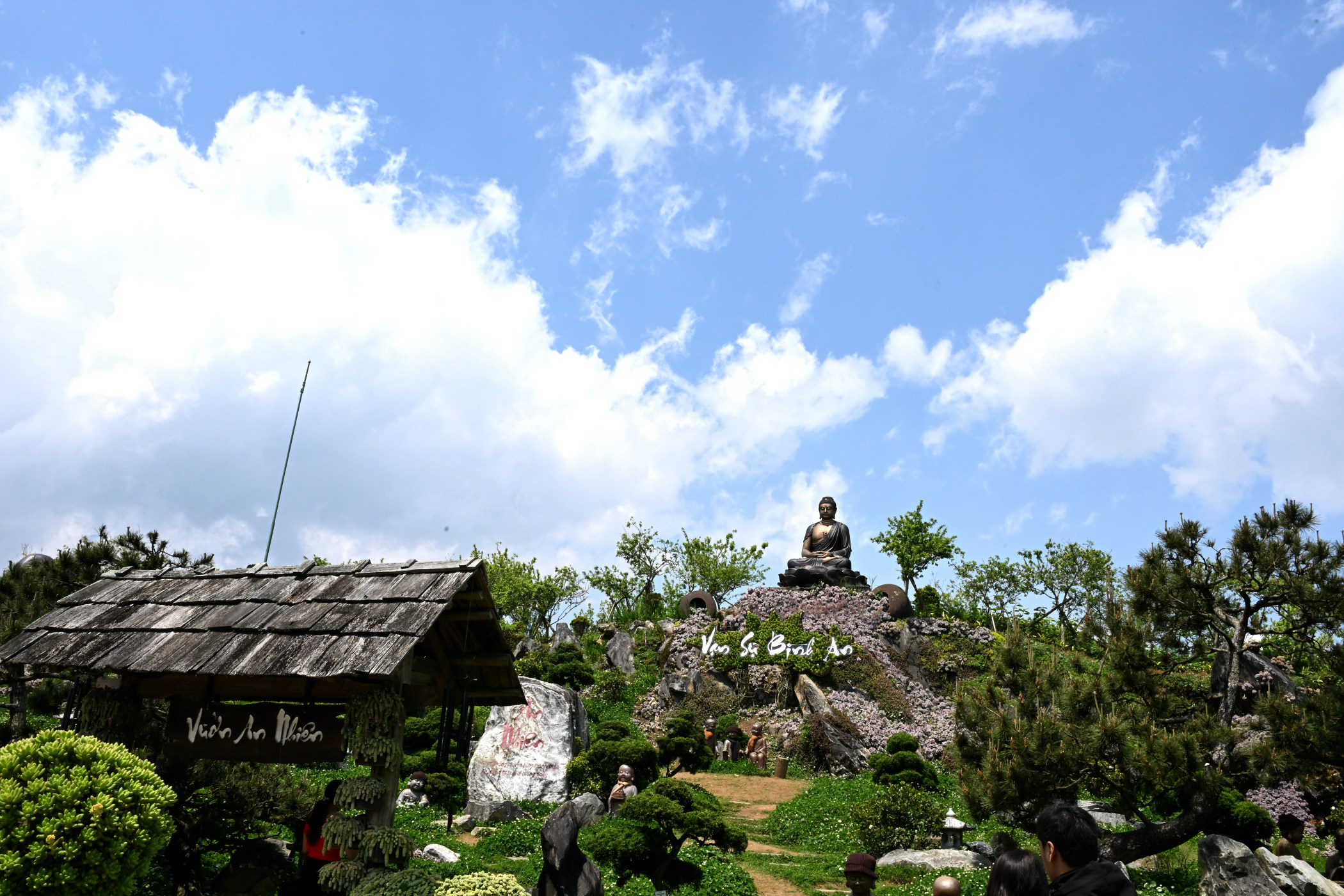
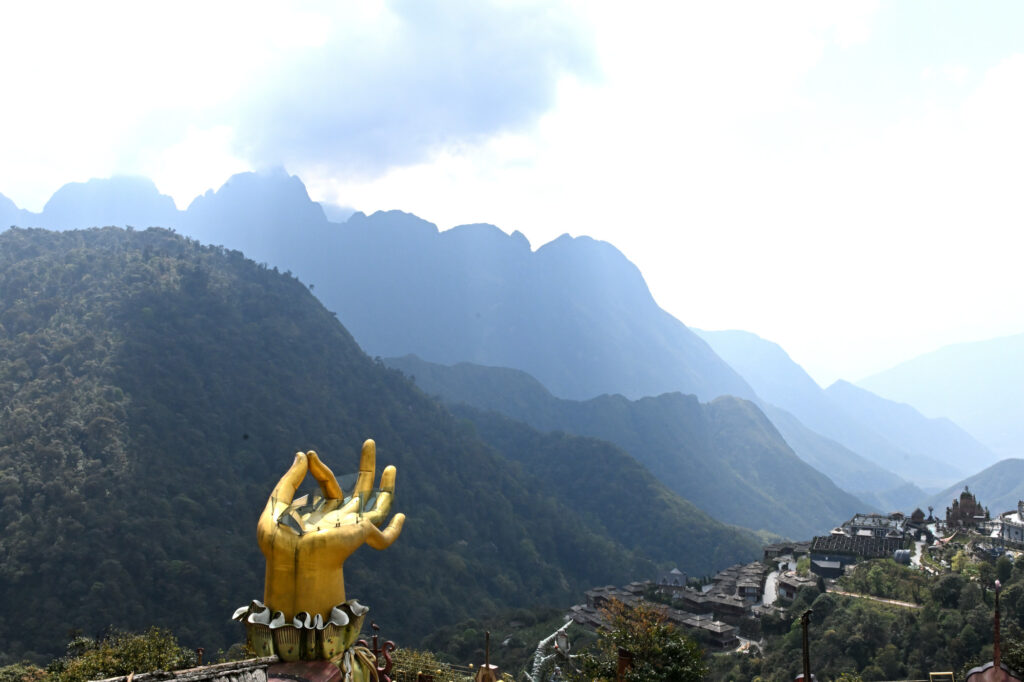
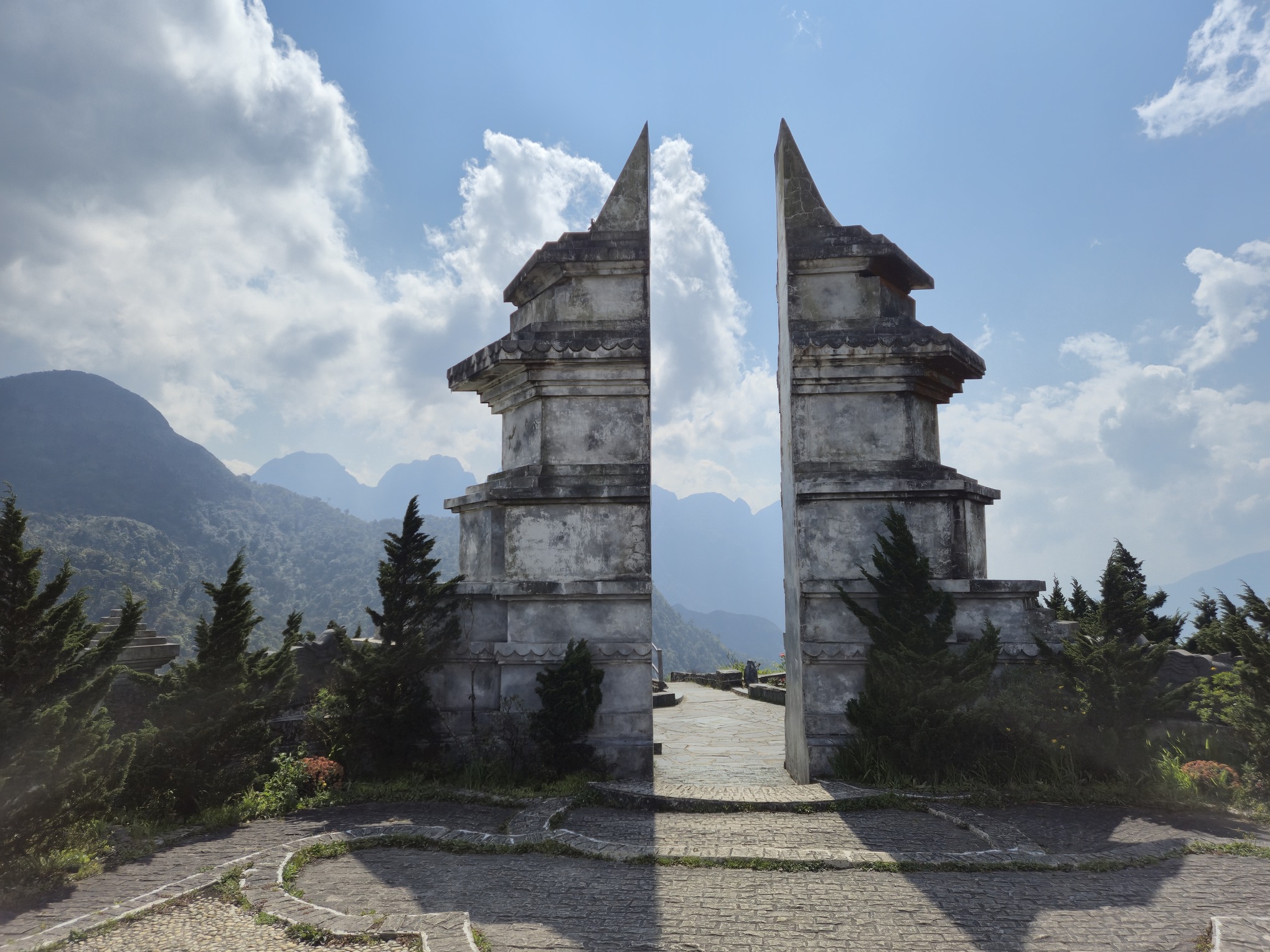
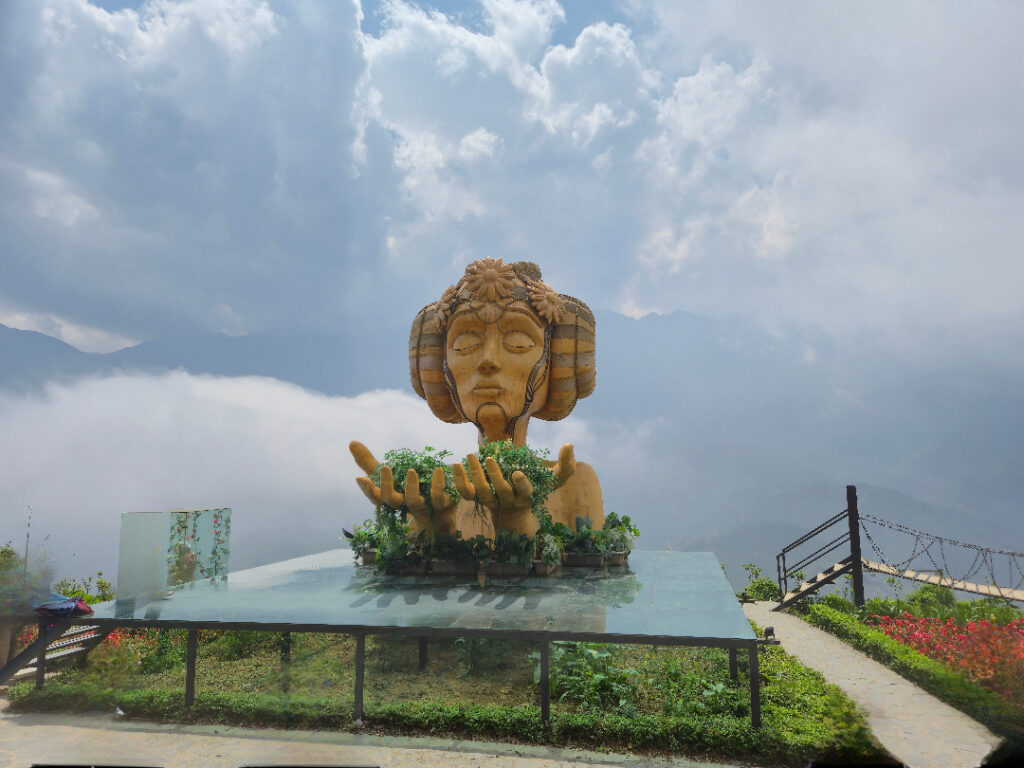
Sapa Heaven Gate & Moana Sapa
After spending the day exploring the landscapes and attractions of Ba Na Hills, it was time to head towards my next destination—the historic city of Hue. Instead of rushing back to Da Nang, suggest you book a cab directly from Ba Na Hills. The journey to Hue takes around two hours and is one of the most scenic road trips in central Vietnam.As the road winds its way along the coastline and through the mountains, the changing landscapes make every kilometre a visual delight. Dense green hills, glimpses of the sparkling East Sea, and charming fishing villages accompany the drive, making it well worth keeping your camera within easy reach.A stop at the legendary Hai Van Pass is an absolute must. Often regarded as one of the most beautiful coastal mountain roads in the world, the pass offers breathtaking panoramic views where towering mountains meet the endless blue sea. Standing at the viewpoint, with cool mountain breezes and clouds drifting across the peaks, it is easy to understand why this route has become one of Vietnam's most iconic drives.I spent some time soaking in the scenery, capturing photographs, and simply enjoying the peaceful atmosphere before continuing the journey. Whether you're a photography enthusiast or someone who simply appreciates nature, Hai Van Pass is a destination in itself rather than just a stop along the way. I reached my pre-booked hotel late in the evening, checked in, and relaxed after an eventful day filled with mountain adventures and unforgettable landscapes.
Rong May Glass Bridge
After spending the day exploring the landscapes and attractions of Ba Na Hills, it was time to head towards my next destination—the historic city of Hue. Instead of rushing back to Da Nang, suggest you book a cab directly from Ba Na Hills. The journey to Hue takes around two hours and is one of the most scenic road trips in central Vietnam.As the road winds its way along the coastline and through the mountains, the changing landscapes make every kilometre a visual delight. Dense green hills, glimpses of the sparkling East Sea, and charming fishing villages accompany the drive, making it well worth keeping your camera within easy reach.A stop at the legendary Hai Van Pass is an absolute must. Often regarded as one of the most beautiful coastal mountain roads in the world, the pass offers breathtaking panoramic views where towering mountains meet the endless blue sea. Standing at the viewpoint, with cool mountain breezes and clouds drifting across the peaks, it is easy to understand why this route has become one of Vietnam's most iconic drives.I spent some time soaking in the scenery, capturing photographs, and simply enjoying the peaceful atmosphere before continuing the journey. Whether you're a photography enthusiast or someone who simply appreciates nature, Hai Van Pass is a destination in itself rather than just a stop along the way. I reached my pre-booked hotel late in the evening, checked in, and relaxed after an eventful day filled with mountain adventures and unforgettable landscapes.
Ô Quy Hồ pass
After spending the day exploring the landscapes and attractions of Ba Na Hills, it was time to head towards my next destination—the historic city of Hue. Instead of rushing back to Da Nang, suggest you book a cab directly from Ba Na Hills. The journey to Hue takes around two hours and is one of the most scenic road trips in central Vietnam.As the road winds its way along the coastline and through the mountains, the changing landscapes make every kilometre a visual delight. Dense green hills, glimpses of the sparkling East Sea, and charming fishing villages accompany the drive, making it well worth keeping your camera within easy reach.A stop at the legendary Hai Van Pass is an absolute must. Often regarded as one of the most beautiful coastal mountain roads in the world, the pass offers breathtaking panoramic views where towering mountains meet the endless blue sea. Standing at the viewpoint, with cool mountain breezes and clouds drifting across the peaks, it is easy to understand why this route has become one of Vietnam's most iconic drives.I spent some time soaking in the scenery, capturing photographs, and simply enjoying the peaceful atmosphere before continuing the journey. Whether you're a photography enthusiast or someone who simply appreciates nature, Hai Van Pass is a destination in itself rather than just a stop along the way. I reached my pre-booked hotel late in the evening, checked in, and relaxed after an eventful day filled with mountain adventures and unforgettable landscapes.
DAY - 10 : Halong Bay
After spending the day exploring the landscapes and attractions of Ba Na Hills, it was time to head towards my next destination—the historic city of Hue. Instead of rushing back to Da Nang, suggest you book a cab directly from Ba Na Hills. The journey to Hue takes around two hours and is one of the most scenic road trips in central Vietnam.As the road winds its way along the coastline and through the mountains, the changing landscapes make every kilometre a visual delight. Dense green hills, glimpses of the sparkling East Sea, and charming fishing villages accompany the drive, making it well worth keeping your camera within easy reach.A stop at the legendary Hai Van Pass is an absolute must. Often regarded as one of the most beautiful coastal mountain roads in the world, the pass offers breathtaking panoramic views where towering mountains meet the endless blue sea. Standing at the viewpoint, with cool mountain breezes and clouds drifting across the peaks, it is easy to understand why this route has become one of Vietnam's most iconic drives.I spent some time soaking in the scenery, capturing photographs, and simply enjoying the peaceful atmosphere before continuing the journey. Whether you're a photography enthusiast or someone who simply appreciates nature, Hai Van Pass is a destination in itself rather than just a stop along the way. I reached my pre-booked hotel late in the evening, checked in, and relaxed after an eventful day filled with mountain adventures and unforgettable landscapes.
Optional Itineraries
After spending the day exploring the landscapes and attractions of Ba Na Hills, it was time to head towards my next destination—the historic city of Hue. Instead of rushing back to Da Nang, suggest you book a cab directly from Ba Na Hills. The journey to Hue takes around two hours and is one of the most scenic road trips in central Vietnam.As the road winds its way along the coastline and through the mountains, the changing landscapes make every kilometre a visual delight. Dense green hills, glimpses of the sparkling East Sea, and charming fishing villages accompany the drive, making it well worth keeping your camera within easy reach.A stop at the legendary Hai Van Pass is an absolute must. Often regarded as one of the most beautiful coastal mountain roads in the world, the pass offers breathtaking panoramic views where towering mountains meet the endless blue sea. Standing at the viewpoint, with cool mountain breezes and clouds drifting across the peaks, it is easy to understand why this route has become one of Vietnam's most iconic drives.I spent some time soaking in the scenery, capturing photographs, and simply enjoying the peaceful atmosphere before continuing the journey. Whether you're a photography enthusiast or someone who simply appreciates nature, Hai Van Pass is a destination in itself rather than just a stop along the way. I reached my pre-booked hotel late in the evening, checked in, and relaxed after an eventful day filled with mountain adventures and unforgettable landscapes.